
NEW YORK (AP) — Global leaders have been scrambling to contain the rising cost of oil and gasoline since the start of the Iran war, which took a record amount of oil off the market when tankers full of crude were stranded in the Persian Gulf and military strikes damaged refineries, pipelines and export terminals.
Hoping to ease some pain for consumers, President Donald Trump and other heads of state have been pulling on various levers, launching more oil on the market in a bid to calm the chaos.
A group of 32 nations that are members of the International Energy Agency began releasing the largest volume of emergency oil reserves in its history: 400 million barrels. Trump is tapping into oil from the Strategic Petroleum Reserve while lifting sanctions on Russian and Iranian crude and temporarily waiving the Jones Act, a maritime law that requires ships carrying goods between U.S. ports to be U.S.-flagged.
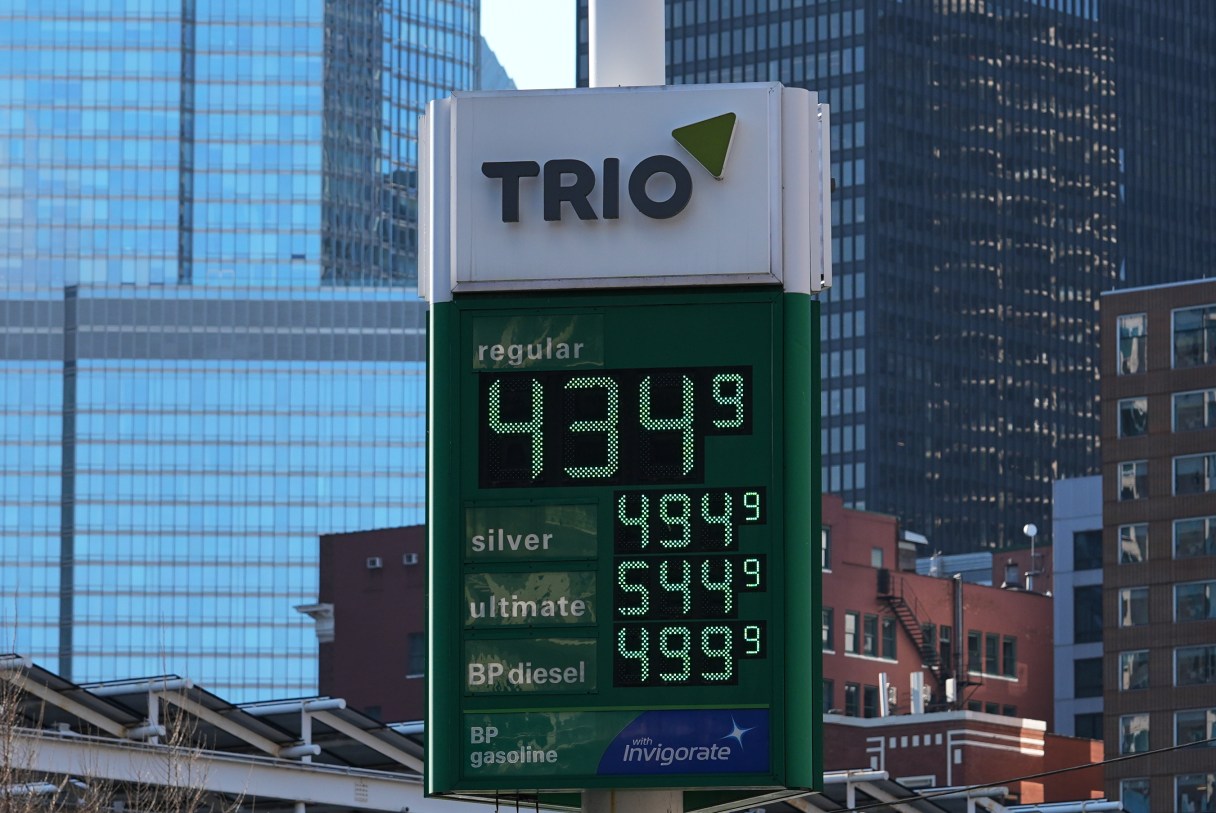
But despite those maneuvers, crude oil has soared well past $100 a barrel and gasoline is selling for $4.14 a gallon on average in the U.S. While the stopgaps are helping, they’re not adding up to enough oil to replace what’s stranded, experts say.