
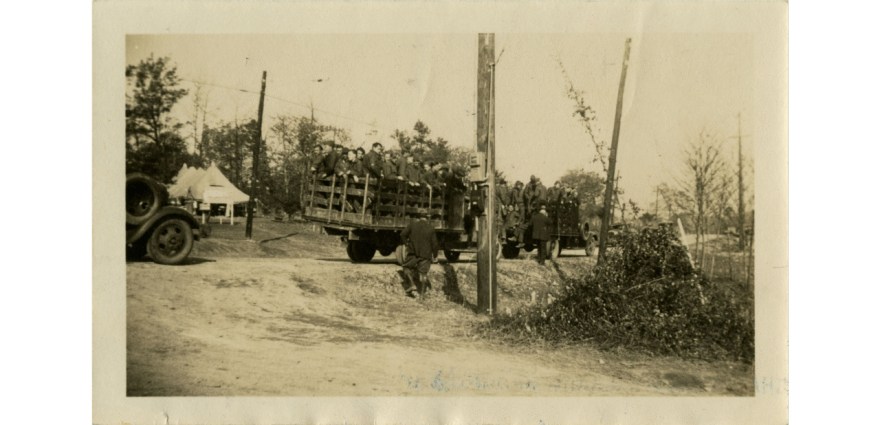
Editor’s note: second in a series.
The Civilian Conservation Corps, envisioned by President Franklin D. Roosevelt as part of his New Deal, was designed to employ “unemployed men” and conserve the country’s natural wealth. During almost a decade of its existence, the CCC enrolled more than 3 million young men, including 72,600 Tennesseans, who built 98 fire lookout towers, developed forest infrastructure and created numerous recreational areas.
While the admission guidelines targeted men between the ages of 17 and 23, older World War I veterans and Native Americans were also included. The only requirement beyond age was to be “jobless and already out of school.” The $30-per-month stipend was mailed to corps member families, so that the economic impact reached beyond the camps.
Tennessee was part of the Fourth Corps Area, District C, and boasted an average of 45 camps in operation each year. Projects were concentrated in the Great Smoky Mountains, but extensive work was also done at Lookout Mountain (Camp MP-5), Camp Sam Houston in Pikeville and Chickamauga National Military Park, as well as in Tennessee state parks at Pickett (holding today’s CCC museum), T.O. Fuller and Montgomery Bell.
President Roosevelt disclosed plans for the CCC in his March 20, 1933, speech. By April 27, a Chattanooga Daily News headline told of young men arriving to work. Two local camps had been established. Camp Gordon Lee, named for the late congressman from Georgia’s 7th District, was located at the site of the citizens’ military training camp near the historic Gordon Lee mansion and served white recruits. Camp Booker T. Washington, honoring the noted Black statesman and providing for Black troops, opened in the Forest Road area near Fort Oglethorpe (although it was relocated to the Booker T. Washington State Park site on the Tennessee River in 1938.)