
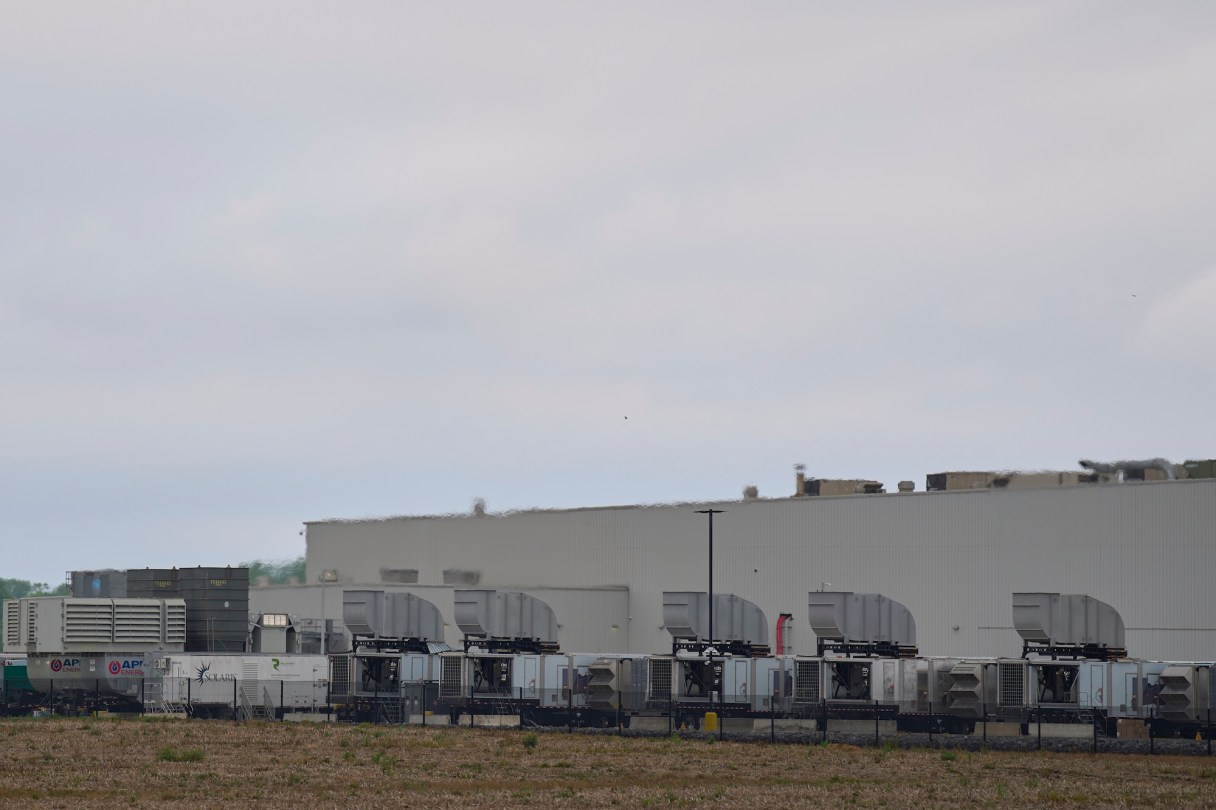
As artificial intelligence seeps into more and more of our daily lives, this power-hungry technology, if its evangelists hope to maintain its staying power, necessitates the widespread use of energy-intensive data centers to fuel its operations.
Thus far in the AI boom, utility companies, generating public pushback all over the country, including here in Chattanooga, have been all too willing to accommodate this surge in electricity demand by clearing the way for the accelerated construction of these data centers — regardlesss of the social, environmental and political costs.
Let’s go over how these industrial facilities, once a barely noticeable pillar of modern infrastructure, became such a political sticking point.
Data centers predate this new era of AI. Any service requiring the mass storage of digital information or the use of cloud computing — think Google Drive, Apple’s iCloud or needlessly wasteful cryptocurrencies like Bitcoin — relies on a data center or a similar facility.
There were an estimated 2,667 data centers nationwide in 2021, well before AI became the ubiquituous technology it is today, according to a report last year from Environment America, a network of climate advocacy groups. Fast-forward to 2024, after many AI large language models had hit the market, and that number roughly doubled to 5,381.