
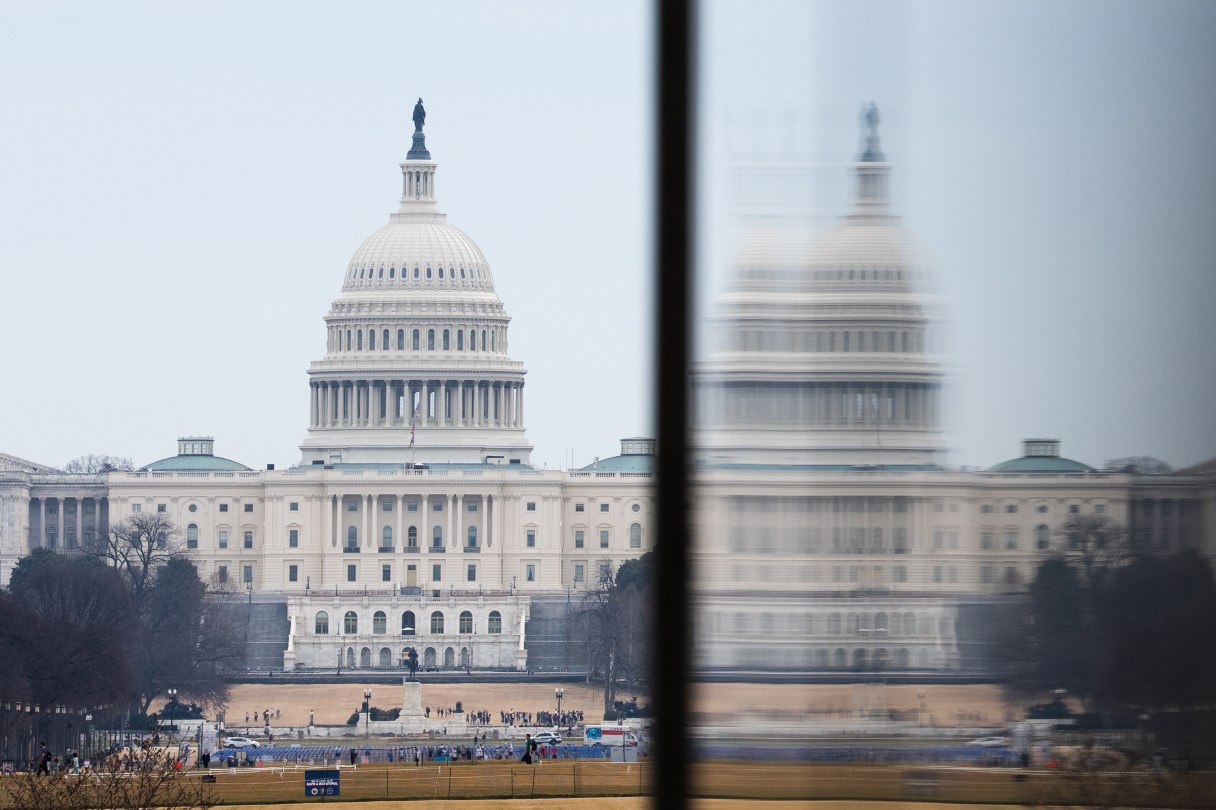
The men who gathered in Philadelphia in 1787 were students of history, and it taught them a singular lesson: power corrupts, and unchecked power can destroy a republic.
They designed our experiment with overlapping safeguards to ensure that no single faction, branch or man could hold the nation hostage. What remained unresolved was agency: who, exactly, can determine when to trigger those safeguards? History has exposed this as the system’s deepest vulnerability.
The Constitution assigns Congress the power of impeachment but says nothing about the political will required to use it. It grants the cabinet the authority to remove an incapacitated president but assumes members will prioritize constitutional duty over personal loyalty. It tasks Congress with checking executive overreach, yet it cannot compel a partisan legislature to act.
Accountability mechanisms exist. The decision about when to use it was delegated to individuals. The founders hoped this system would produce honorable leaders. Nearly two and a half centuries later, we are forced to confront the consequences when it fails to do so.
Impeachment has become a partisan exercise. The 25th Amendment, ratified in 1967 for genuine incapacity, remains a theoretical option no cabinet has ever invoked, regardless of circumstances.