
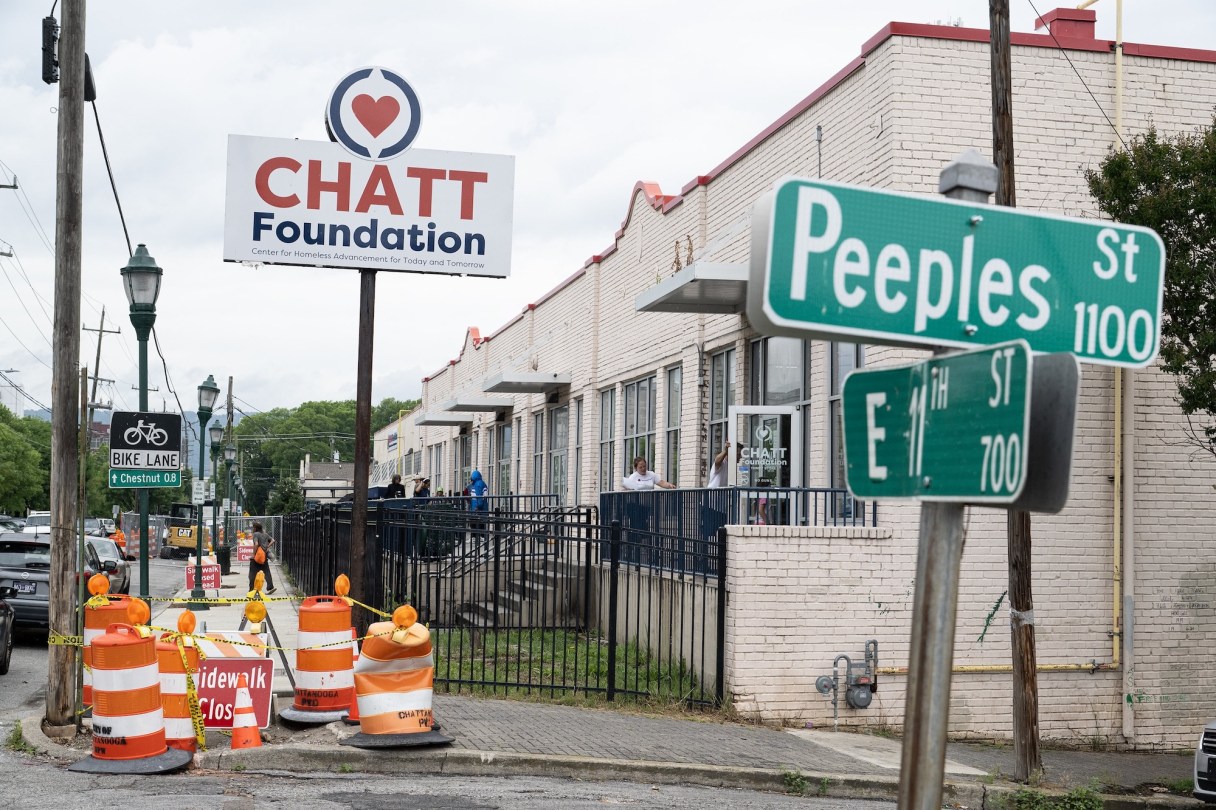
Chatt Foundation CEO Baron King told the Chattanooga City Council this week that his organization could house up to 500 people if the homelessness service provider builds out a low-barrier shelter on the site of its facility on 11th Street.
King laid out a proposal for the shelter during the council’s strategic planning meeting Tuesday. A low-barrier shelter removes or reduces the requirements for admission and continued residency. Staying at such a facility would allow people to focus more on finding a source of income, securing benefits and getting housed rather than having to focus on survival, King told council members.
“We really believe that the absence of such a structure in this city exacerbates what is already a really big crisis,” King said.
While Chattanooga’s per capita homeless rate is similar to other municipalities in the state, the city has a much higher rate of unsheltered homelessness, King said. Chattanooga has an unsheltered homeless population of about 1,000-1,200 people, King said. The rate of unsheltered homelessness is higher because there are not enough shelter beds in the city.
“When somebody is sheltered but homeless, it takes approximately or on average 400 days to get rehoused,” King said in the meeting. “But when somebody becomes unsheltered, that number skyrockets to an average of seven years.”
The Chatt Foundation has already identified four potential locations for the low-barrier shelter, including a city-owned lot at 12th and Peeples streets, a warehouse on Peeples Street, the existing Family Promise building and the foundation’s facility on 11th Street.
The two most viable options are building a new facility on the city-owned lot or building out the foundation’s facility, King said. There could be “political expediency” in building on the foundation’s site because it is already zoned for shelter-use, King said.
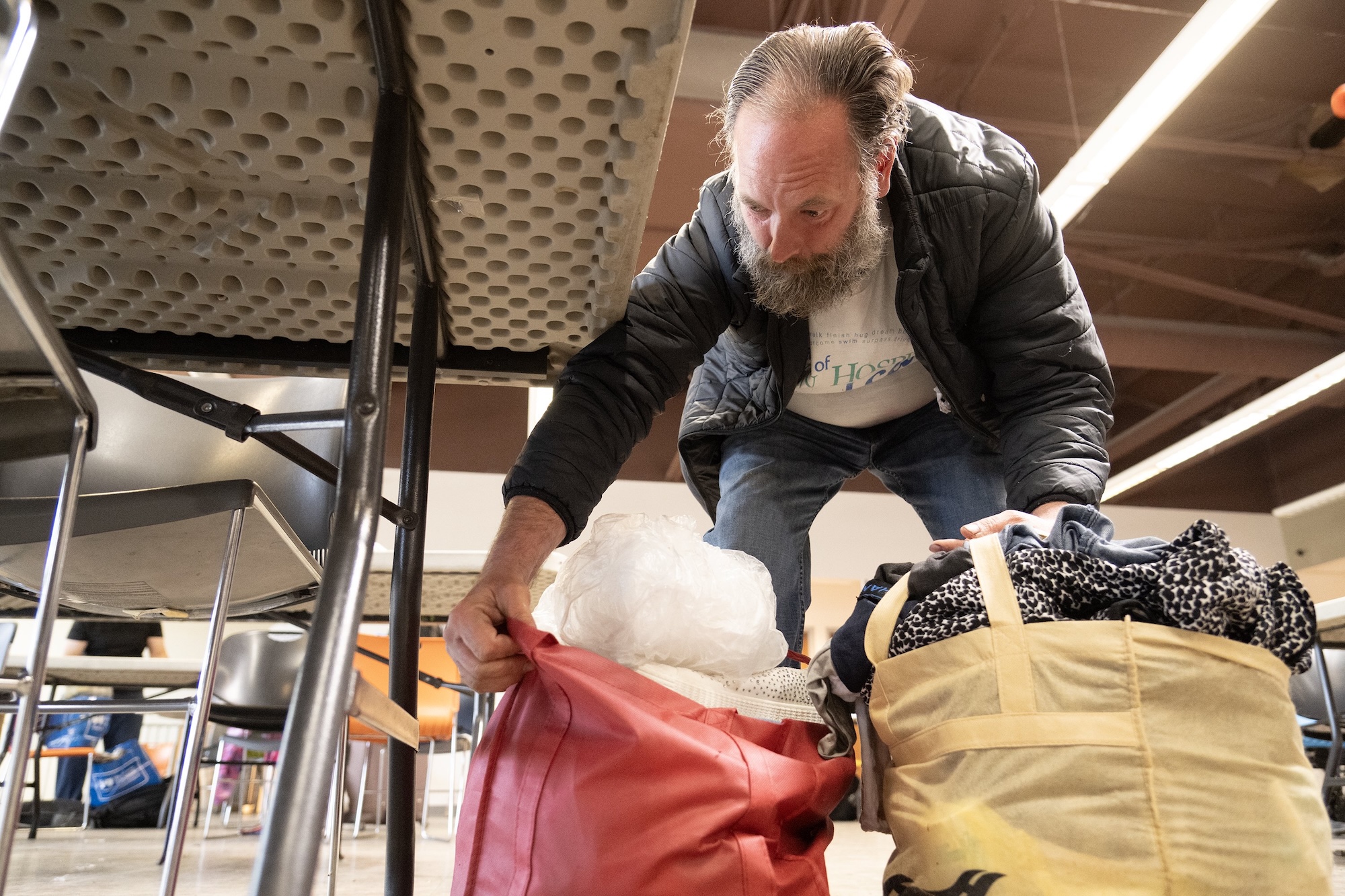
The foundation is working with an architect on the design for a low-barrier shelter on the nonprofit’s site, King said. The facility could hold between 400-500 people on two floors by renovating the building’s basement and back administrative offices. The renovation could also include a redesign of the facility’s playground, establishing a walled-off courtyard to provide outdoor gathering space while reducing the amount of gathering that occurs on 11th Street, King said.
The low-barrier shelter would be a facility for both men and women, King said. King hopes the annual operating costs for the facility would be close to $750,000, he said.
During the meeting, council member Raquetta Dotley of Alton Park questioned if the Chatt Foundation had heard the concerns of residents in the neighborhood around M.L. King Boulevard about having a large shelter in the area. Residents have shared videos of people stealing things from their front porches and defecating on their property, Dotley said.
“What can be done now to show that neighborhood that this is going to be a positive thing,” Dotley said. “I think that’s going to be probably the biggest hurdle — if we’re not considering them.”
In response, King said he has talked to people in the neighborhood because he spends a lot of time in the neighborhood. People’s comments and concerns do not typically reflect a “not-in-my-backyard” mentality, because the problem is already in their backyard, King said.
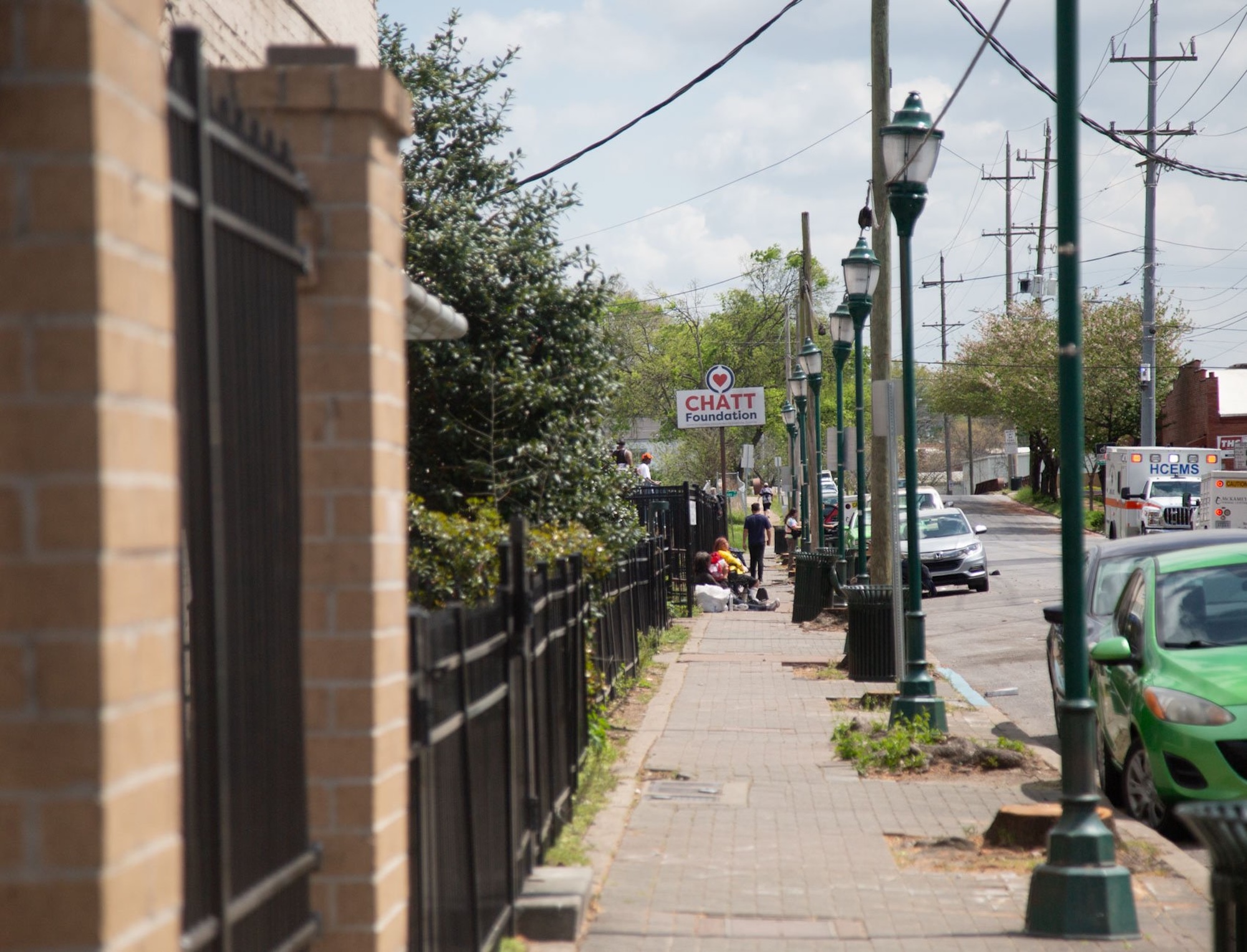
“The comments and concerns are more about if this happens will it alleviate what’s already going on,” King said.
Council member Jenny Hill of North Chattanooga raised concerns about having 400-500 people congregating in a single location and about the maintenance of the foundation’s property.
“There are very real issues that are caused by a large concentration of homeless individuals around your location,” Hill said in the meeting. “And I would want to know as part of this if we’re going to consider this very large number of people potentially being housed here 24/7, what your capacity is going to be to take responsibility for the waste, the mess.”
Cities that have implemented low-barrier shelters well have been successful by pairing those facilities with robust supportive services, King said. There could be several low-barrier shelters around the city, but the Chatt Foundation would have to duplicate services to serve those locations, and that would drive up costs. The Chatt Foundation has the space for the shelter, and that’s why the organization has proposed building the facility there, King said.
As far as maintaining the property, King said there are not enough trash cans and trash pickups to keep up with the amount of waste that comes with hundreds of people congregating in one area.
If there were more trash cans and trash was picked up daily, would there no longer be trash in the area, Hill asked King.
King responded in the affirmative, which drew audible “hmm” responses from some council members.
Contact outdoors reporter Sam Still at sstill@timesfreepress.com or 423-757-6579.