
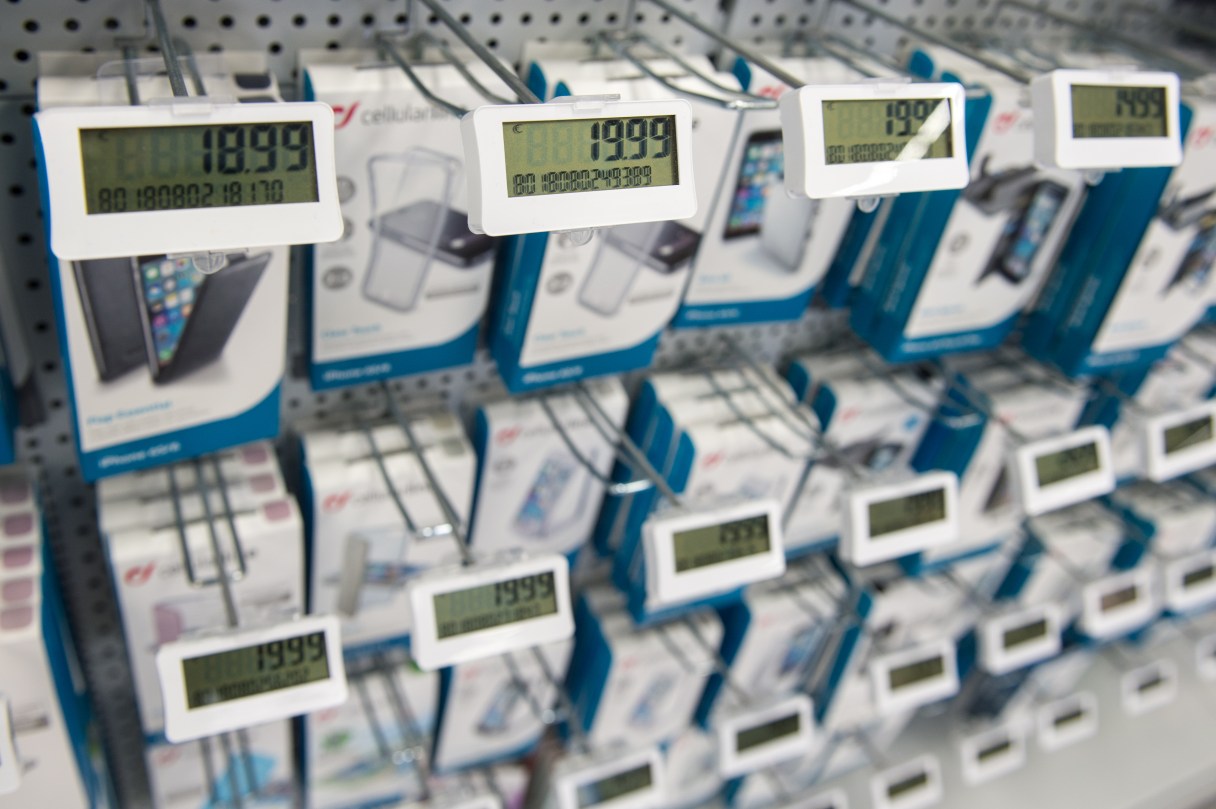
Should the price of your groceries depend on what a retailer knows about your shopping habits or your neighborhood? How would you feel if the person behind you was charged less for the same tank of gas?
That’s the reality dynamic pricing threatens to create. Dynamic pricing, often called surveillance or algorithmic pricing, allows companies to use information about us — including our location, demographics, credit history, browsing activity and shopping habits — against us to decide what products we see and what prices we’re offered. Prices can change multiple times throughout the day. While some businesses pledge not to use consumer-specific data, we still need clear protection from this harmful practice.
Dynamic pricing should be banned because it lets corporations quietly decide prices based on how much they believe they can extract from each person. It not only hurts consumers; it threatens our civil rights and undermines the principles of fairness and equal treatment that our democracy depends on.
Few of us object to a hotel room at the beach costing more in July than in January. That reflects the desirability of what is being sold. However, dynamic pricing depends on who’s buying.
Its goal is to estimate the maximum amount a person may be willing — or forced — to pay. A family buying groceries could pay more because an algorithm decides they’re unlikely to shop elsewhere. Someone urgently seeking a necessary product or service could be charged more because a company believes they have fewer options.