
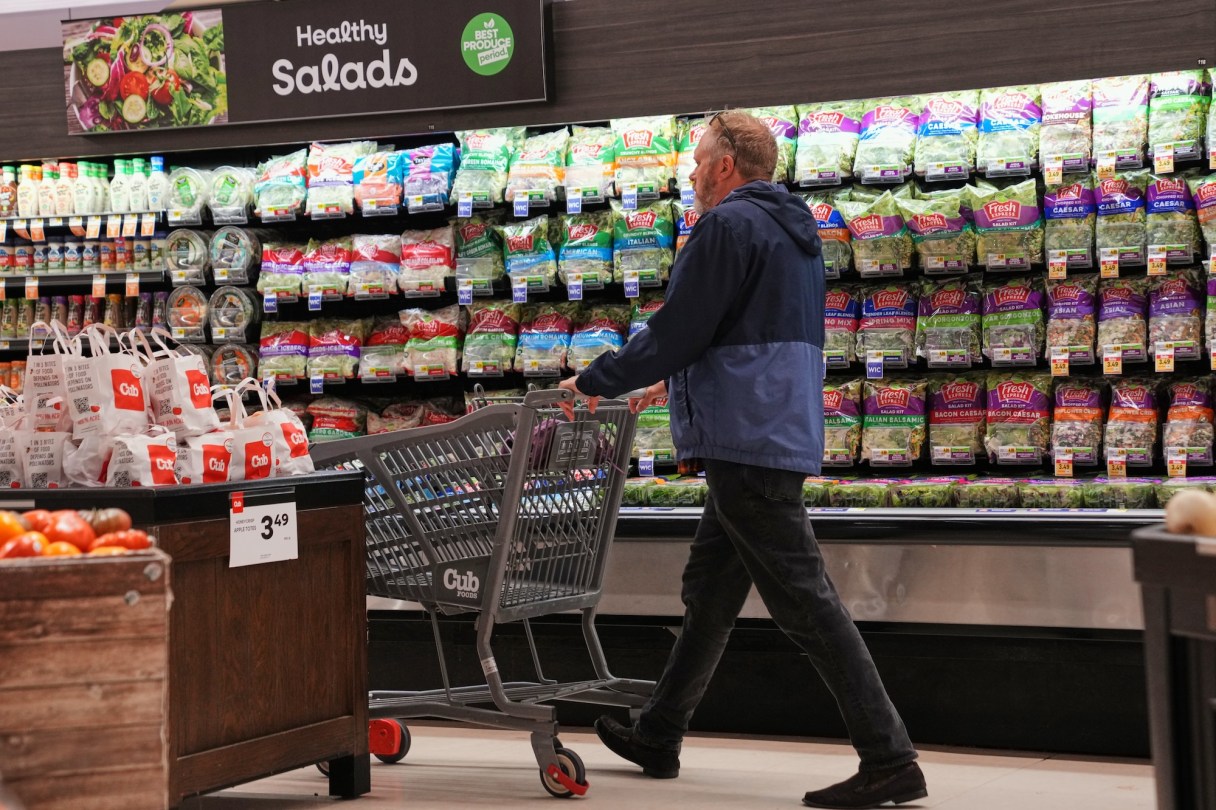
The Alabama Department of Public Health (ADPH) said Thursday that cyclosporiasis, a parasite that causes intestinal illness, is slowing down after a nationwide outbreak.
“The cyclospora outbreak associated with lettuce, mostly we think, has now tallied about 117 cases confirmed in Alabama, (which) pales in comparison to sort of the upper Midwest are just under 10,000 confirmed cases, but about 16,000 or more other suspected cases that have been reported,” said Dr. Scott Harris, the state health officer.
According to ADPH data, there were 21 reported cases in 2025, 30 in 2024 and 139 in 2023 in the state.
As of Aug. 13, there have been 9,481 confirmed cases in 17 states, according to the U.S. Centers for Disease Control and Prevention (CDC). Cases are likely under-reported, according to the CDC. There have been two deaths in Michigan and 398 hospitalizations.
The Michigan Department of Health and Human Services – where the outbreak is centered – has reported nearly 14,000 cases. The Ohio Department of Health has reported nearly 5,000 cases, another hub of the outbreak.
Alabama’s outbreak was concentrated in the northern region of the state, said Ryan Easterling, director of communications for ADPH on Thursday. Seventy-three cases were reported in the Northern ADPH District – consisting of 12 counties mostly north and northwest of Birmingham; 10 in the Northeastern District; eight in the Southeastern District; seven in Jefferson County and in the Southwestern District; five in Mobile County and the West Central District; and two in the East Central District.
“Even though that doesn’t sound like a lot compared to 20,000, it’s a lot for Alabama, so we’ll keep tracking that,” Harris said.
Cyclosporiasis is caused by the parasite cyclospora. Symptoms include watery or “explosive” diarrhea, nausea and stomach cramps. It’s often contracted by eating or drinking something contaminated with the parasite, which lives in feces.
The illness is not contagious, and symptoms can develop within about 10 days and last for a few days to up to a month without antibiotic treatment, according to the CDC.
The CDC linked the outbreak to iceberg lettuce from Mexico-based Taylor Farms. The company voluntarily recalled several of its bagged lettuce and Marketplace brand lettuce distributed to 31 states. The link was later retracted. The best buy dates on those products have passed.
About 94% of Alabama’s cases were laboratory-confirmed, Easterling said. About 34% of the state’s cases are associated with an outbreak.
The Food and Drug Administration (FDA) in collaboration with the CDC also recalled organic frozen blueberries distributed to Publix locations in the southeast in late July due to an E. coli risk.
Many news outlets reported that the FDA upgraded the risk to Class I – meaning there is a reasonable chance that using or being exposed to a product will cause severe health harm or death. Easterling said on Wednesday that ADPH had not received any updated guidance from the FDA or CDC, and the FDA’s investigation page has not been updated since July 30.
He also said Wednesday there have been no reported cases of E. coli in Alabama. According to the Mayo Clinic, symptoms of E. coli can begin within three to four days of eating a contaminated product and are similar to that of cyclospora.
______
Read more at AlabamaReflector.com.