
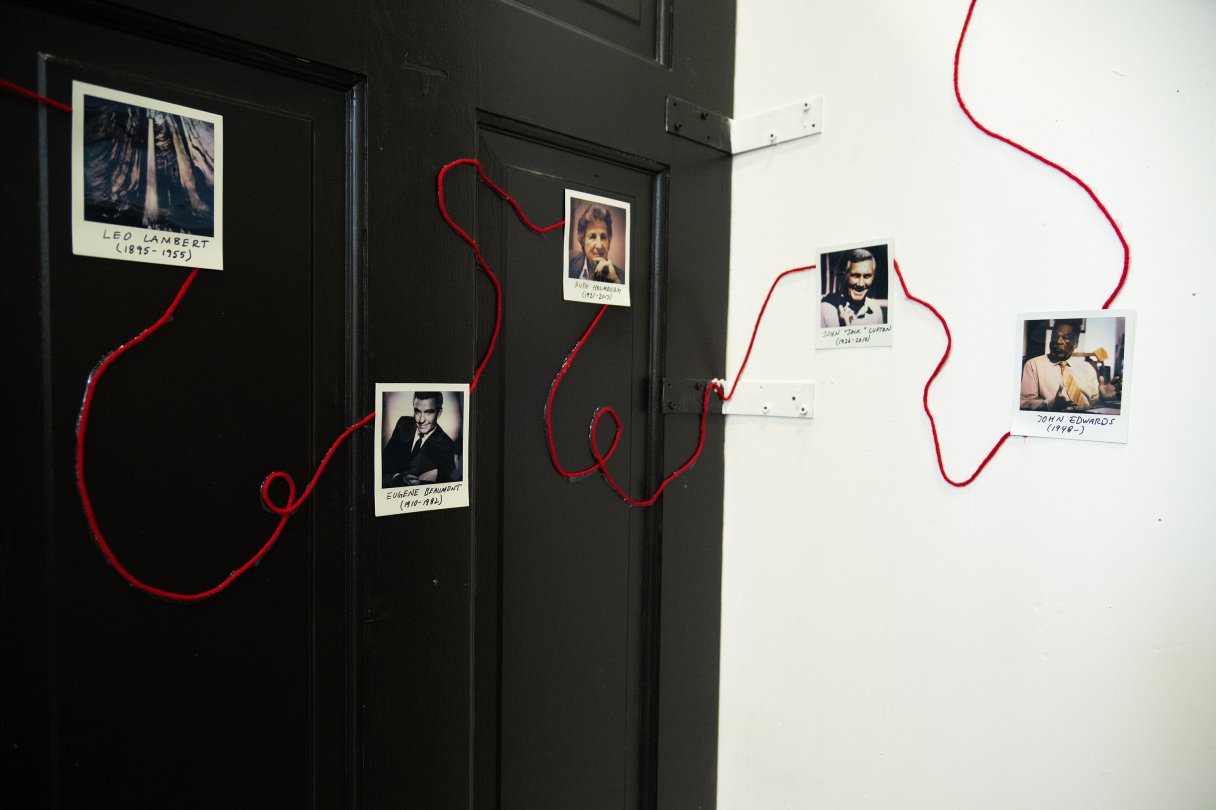
I imagine many in our community experienced a wave of emotions as the Chattanooga History Experience opened.
Our county and city governments demonstrating a willingness to explore a potential regional history center means the time has come for a greater public discussion.
We have to recognize the young students and volunteers who worked to ensure the experience had an unveiling worthy of remembrance. Engaging young people in telling their community’s history is itself an important part of preserving that history.
(IN THE NEWS: Chattanooga History Experience showcases past stories of city, county)
Many were perplexed as to what prompted the Chattanooga History Experience. But, as we understand it, the primary objective is to examine the community’s desire for a future museum that tells the Chattanooga story.
A decade ago, there was much energy around a regional history museum. The building where the Medal of Honor Heritage Center resides was originally intended to house it. A plan was laid out, millions were raised, and the community was going full steam ahead until we learned that the funds had evaporated. Many swore to never give a dime or time to such a cause again.
Which brings us to today.
For an effort of this scale, we need community engagement to foster dialogue, build consensus and create collaboration. We need the observations and recommendations of people who have spent years researching, documenting and preserving Chattanooga’s history.
There are standard historical works such as James W. Livingood and Gilbert Govan’s “The Chattanooga Country,” John Wilson’s “The Chattanooga Story,” Rita Hubbard’s “African Americans of Chattanooga: A History of Unsung Heroes,” and a wide range of researchers, authors, educators and citizen scholars who could aid in processing, identifying, mapping, analyzing and interpreting our history.
The very name Chattanooga is worthy of exploration. So are the Indigenous histories of this region, the river towns and villages, and sites like the great Citico Mound, whose landscape was altered for the Dixie Highway, now Amnicola Highway.
We could tell of the Great Indian Warpath and its major routes here. We could tell the story of Chief Dragging Canoe and the struggle to preserve Cherokee culture prior to the Trail of Tears.
Then there is the industrial and entrepreneurial story. We are the home of the first Coca-Cola bottling plant. Gold Bond. Icy Hot. Double-Cola. Krystal. McKee and Little Debbie. Prater’s, which designs NBA courts, represents another part of our story.
Then there are the people.
From Abby Crawford Milton, the famed suffragist, to Marilyn Lloyd, the first woman from Tennessee elected to a full congressional term. CBL was one of the nation’s shopping-center innovators. Brock Candy was a national brand.
African Americans have helped make the city’s history too. That cannot be treated as a separate chapter.
A history center is where we decide what we value enough to preserve, what stories are important enough to tell, and how we want future generations to understand the place they call home.
We should not cast a blind eye toward the work already done. We should find it, honor it, connect it and build upon it.
Because Chattanooga has an extraordinary story. It is Indigenous history. Cherokee history. African American history. Industrial history. Labor history. Transportation history. Business history. Military history. Women’s history. Civil rights history. Cultural history. Sports history. Music, education, entrepreneurship and neighborhood history.
It is a story of triumph and tragedy, innovation and exploitation, progress and displacement, resistance and resilience.
The Chattanooga History Experience has opened the door. Now, let’s have the conversation about what should be on the other side of it.
Eric Atkins is a co-chair of Unity Group of Chattanooga, a civil rights organization.
Note: This column was updated on Aug. 25 to correct the name of Abby Crawford Milton.