
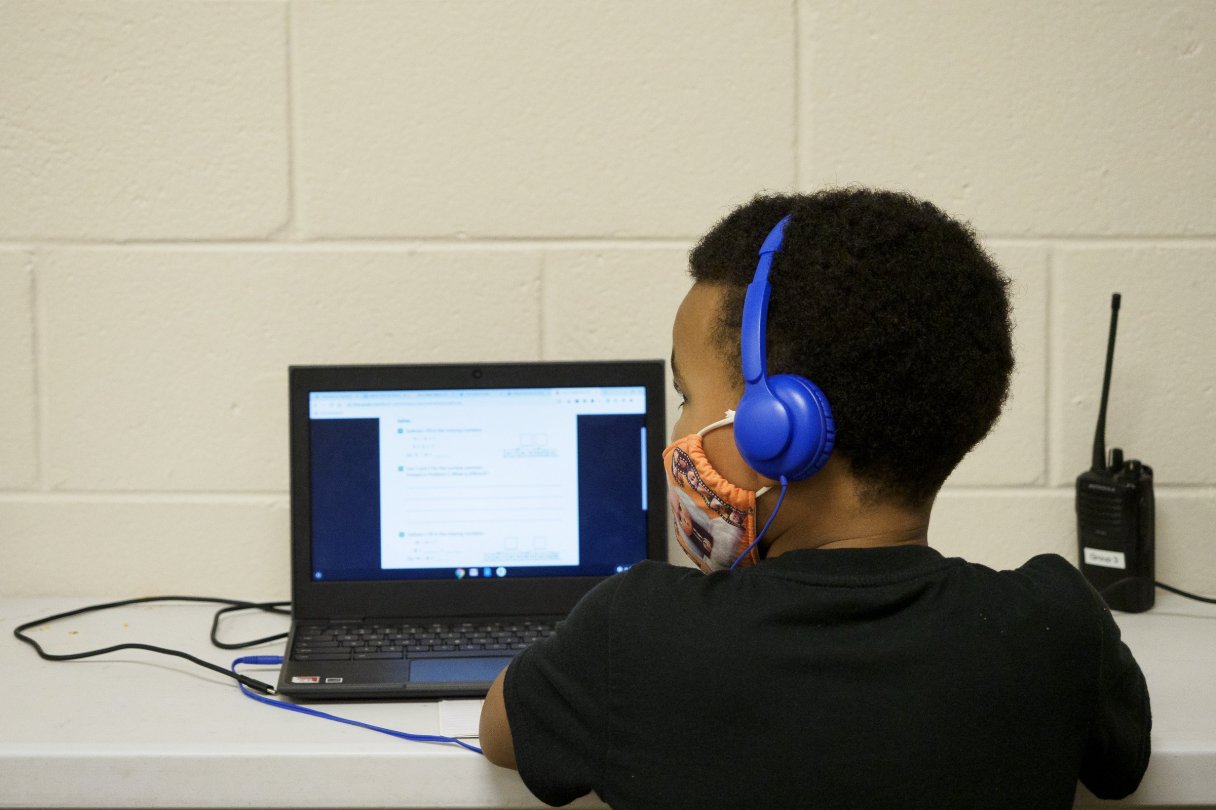
The COVID-19 pandemic taught Tennessee a hard lesson: Virtual learning doesn’t work for most students.
We watched the largest education experiment in modern history unfold as teachers, students and parents scrambled to adapt. The results were clear — virtual learning produced inferior outcomes. Yet even as Tennessee has recovered and surpassed pre-pandemic achievement levels, virtual school enrollment keeps growing.
The data is stark. During the 2023-24 school year, 58 public virtual schools served more than 12,600 students.
Only 20% earned a TVAAS (Tennessee Value-Added Assessment System) composite score of 3 or higher for adequate academic growth — compared to 66% of traditional schools. More than a third received D or F grades. Half couldn’t even generate a grade due to insufficient data. That’s 88% of our virtual schools either failing or unaccountable.
There are bright spots and legitimate use cases for virtual learning — such as medically homebound students or access to advanced coursework — but the model is failing in most places.