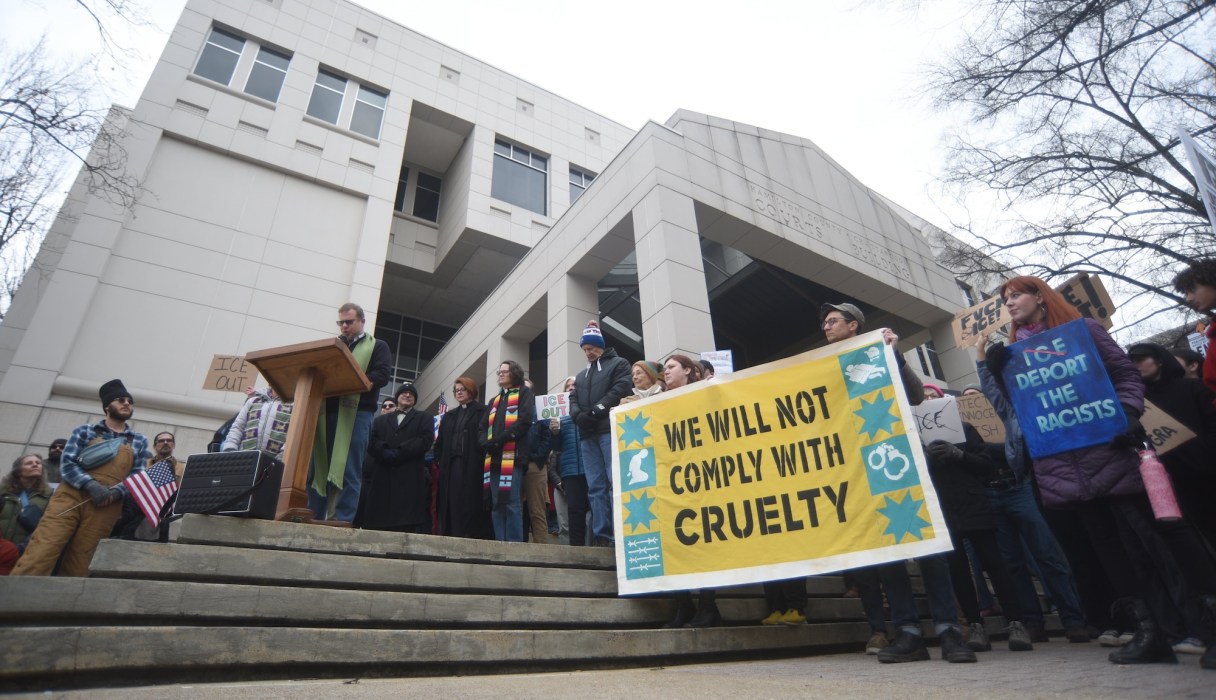
Cruelty did not numb me. It opened my eyes. What scares me most is not what is happening. It is how quickly we have learned to live with it.
I did not wake up angry at the world. I was pulled into this realization the way people are pulled into truth: slowly, unwillingly and then all at once.
Because I watched cruelty become casual.
American society witnesses cruelty daily with the simple click of a button, across social media, mainstream news and public life without shame. I have watched it become a tone people use openly. A punchline. A campaign strategy. A personality trait rewarded with applause.
What broke something open in me was not just the cruelty itself. It was the way our society stopped reacting to it.
The outrage after school shootings with no meaningful policy change.
The way harm is reframed as “discourse.”
The way suffering is treated like collateral.
The way people shrug and say, “That’s just politics,” as if politics is not exactly where real lives are shaped and damaged through policy.
Cruelty terrifies me. But I am even more terrified by how many people have learned not to be startled at all.
Cruelty does not always arrive as violence. Sometimes it arrives as language, clean, polished and rehearsed. A joke that is not really a joke. A “difference of opinion” that becomes a vote against someone’s safety.
Cruelty is never only about the person it targets. It is also a message to everyone watching: This is what we are allowed to do now. This is who we can treat as disposable.
Cruelty spreads not because it is logical, but because it is useful.
There is a political function to cruelty. It signals strength and certainty while replacing problem-solving with scapegoating, complexity with enemies and accountability with performance.
If people can be convinced that the “real problem” is a vulnerable group who exist outside an approved version of normalcy, then no one has to explain why things are not working.
Conversations about wages, housing, health care, schools and corruption disappear while many communities are bled dry and only a few continue getting richer.
Cruelty becomes the smoke screen.
Once cruelty becomes strategy, it does not need to be true to be effective. It only needs to be loud enough to set the terms of reality.
But let me make this clear, cruelty is not owned by one ideology. It emerges anywhere fear is rewarded and humanity is ignored. Normalization is one of the most powerful political forces there is. It standardizes a baseline for morality, quietly redefining what a society comes to accept as tolerable. It is how the unthinkable becomes routine and how injustice survives without enforcement because eventually people enforce it on themselves.
They adjust.
They look away.
They change the subject.
They shrug and ask, “What can you do?”
I understand this impulse. We are tired. Overstimulated. Living in an economy that drains people and a culture that treats outrage like content. The human brain cannot remain in a constant state of alarm forever. Eventually it protects itself.
But exhaustion is not neutral. Exhaustion is a political condition.
A society that is tired enough will accept almost anything. It will confuse silence with peace, call cruelty “realism” and begin treating empathy like a hobby.
We must not become that society.
I do not write this from moral high ground. I live in the same world. I know the fatigue. I have stayed quiet at times because I did not want to be “that person.” Because comfort can feel easier than confrontation.
But silence does not stop cruelty. Silence feeds it. And silence is not equally available to everyone.
Some people can avoid politics because politics are not threatening their safety, their family, their access to care or their right to live openly. Some can opt out because the system was built to cushion them.
That is why I keep returning to this truth: Silence is a privilege.
And if silence is a privilege, then speaking becomes a civic responsibility. Not as performance or moral superiority, but as refusal. A refusal to let harm become background noise.
Cruelty becomes normal when it is repeated and rationalized, framed as necessary, protective, traditional or “for the greater good.” History has taught us the cost of that logic.
Maybe the most logical thing we can do right now is not to be louder.
Maybe it is to be clearer.
To name cruelty as cruelty, even when it is wrapped in policy language.
To refuse to call harm “just politics.”
To stop treating someone’s dignity as a debate topic.
Because the point of being human is not to get used to suffering.
It is to stop it.
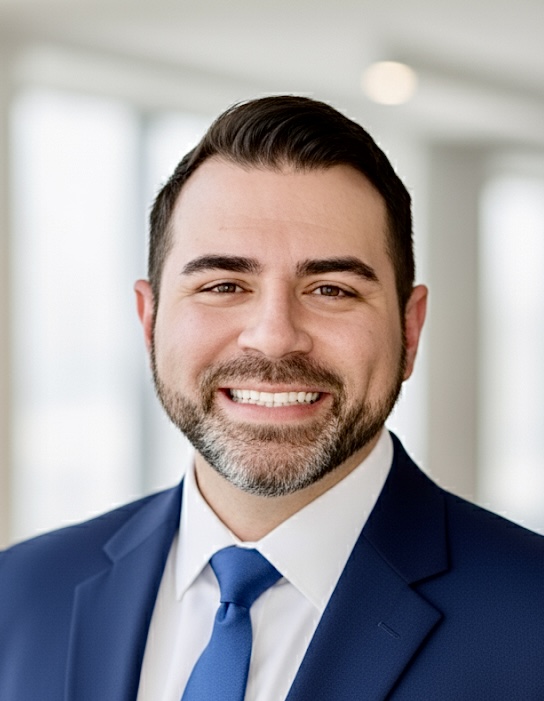
Chaz Johnston is a communications professional, public administration graduate student and civic leader based in Chattanooga.