
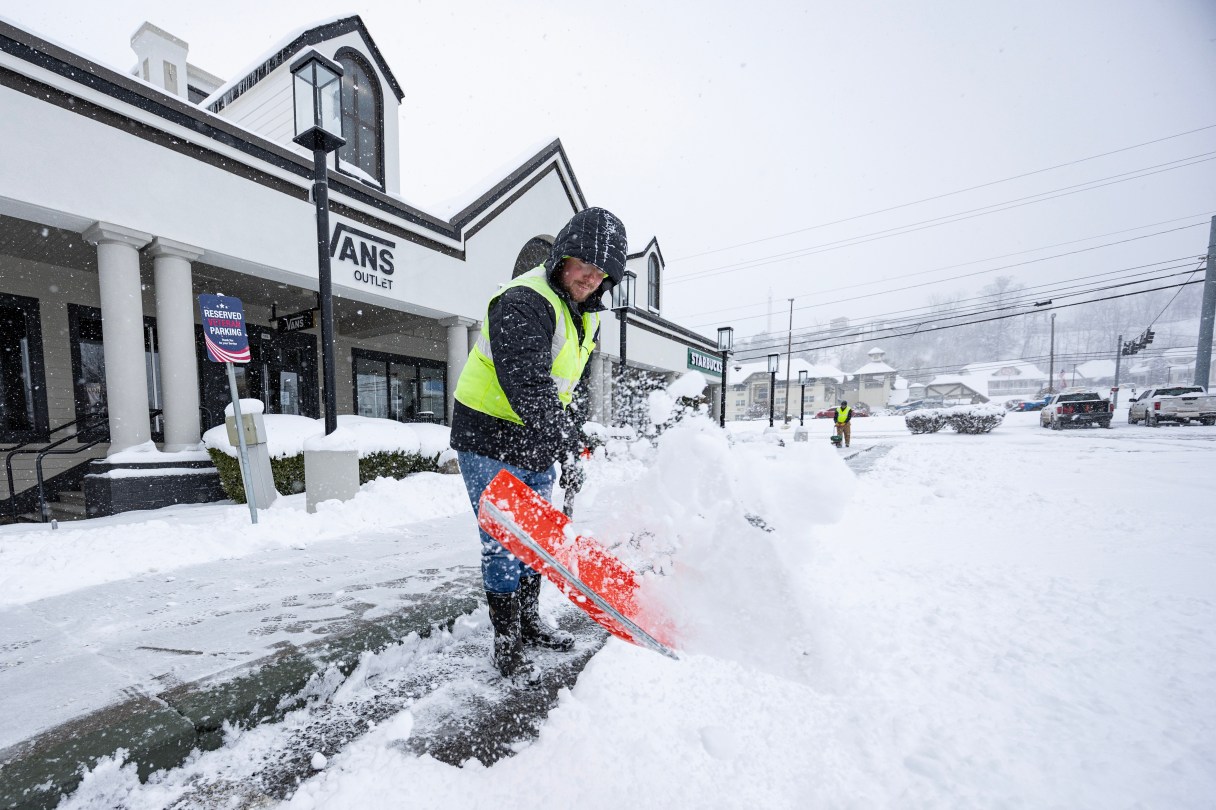
When powerful winter storms and freezing temperatures hit the U.S. in late January 2026, they left hundreds of thousands of people without power for days and were blamed for more than 100 deaths from a variety of causes.
Some people died from exposure to cold inside their homes. Others fell outside or suffered heart attacks while shoveling snow. Three young brothers died after falling through ice on a Texas pond. Dozens of children were treated for carbon monoxide poisoning from improperly used generators or heaters.
These tragedies and others share a common theme: Winter storms pose multiple dangers at once, and people often underestimate how quickly conditions can become life-threatening.
I’m the associate director of the Hazards Vulnerability and Resilience Institute at the University of South Carolina, where we work on ways to improve emergency preparedness and response. Here is what people need to know to reduce their risk of injury during severe winter weather.