
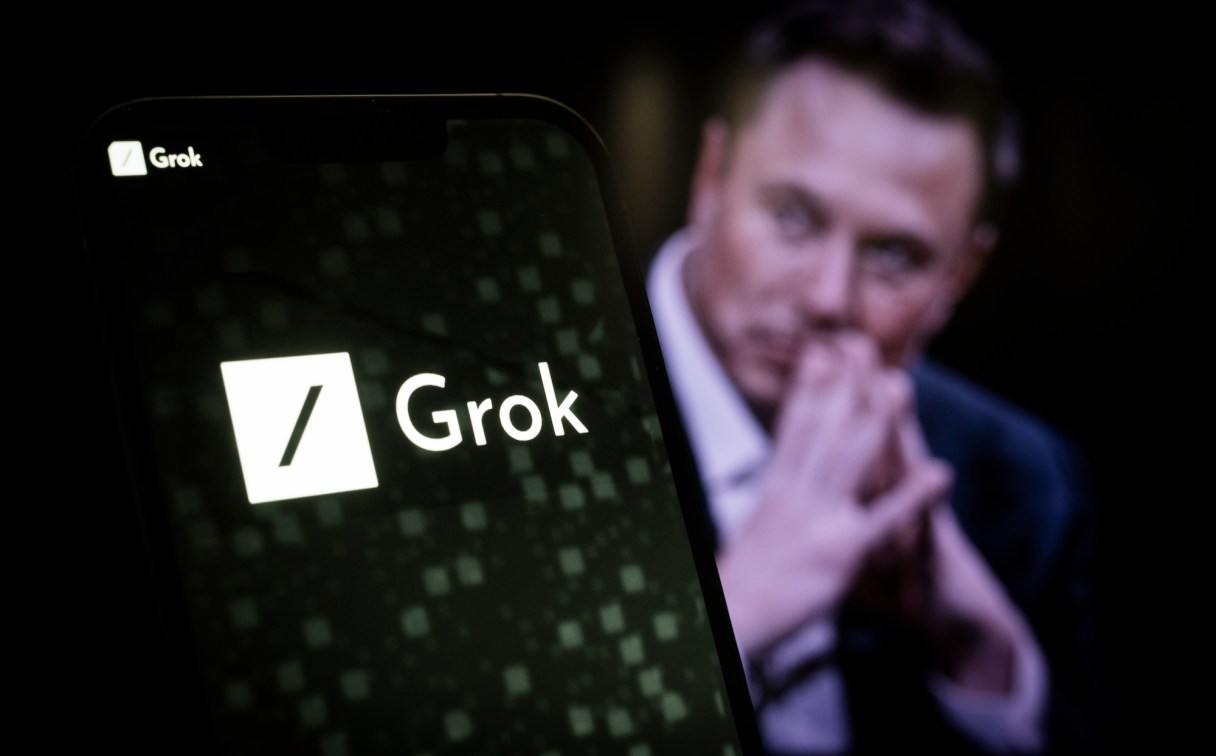
The horrifying episode in which Elon Musk’s Grok chatbot generated and posted millions of sexualized images of real people, including women and children, has a clear lesson: It should be illegal to use anyone’s photograph to create a fake image intended to depict that person.
Last summer, Congress passed the Take It Down Act, which prohibits posting deep fakes that depict people engaged in intimate sexual acts. Now Congress should expand the the act to cover any misappropriation of a person’s likeness.
This can be accomplished in a manner consistent with the First Amendment. There is a long-standing common-law right of individuals to control the commercial use of their image and to prevent others from using it for gain. That right should provide a basis for outlawing the kind of image appropriation that occurred on Grok.
It will be necessary to have exceptions for political commentary or satire. But fake images should not count as newsworthy for First Amendment purposes. Moreover, the benefits of protecting people from the misappropriation of their images outweighs the risks of chilling the lawful publication of news images.
What makes the Grok situation so immediately upsetting is that it permitted anyone to produce salacious images of anyone at any time. Widely available AI technology makes it easy to do so. It is also clear that market pressures alone will not suffice to stop the practice. Even if Grok has made changes that make it more difficult to produce such images, publicly available, open-source AI can, in principle, be used to achieve the same result.