
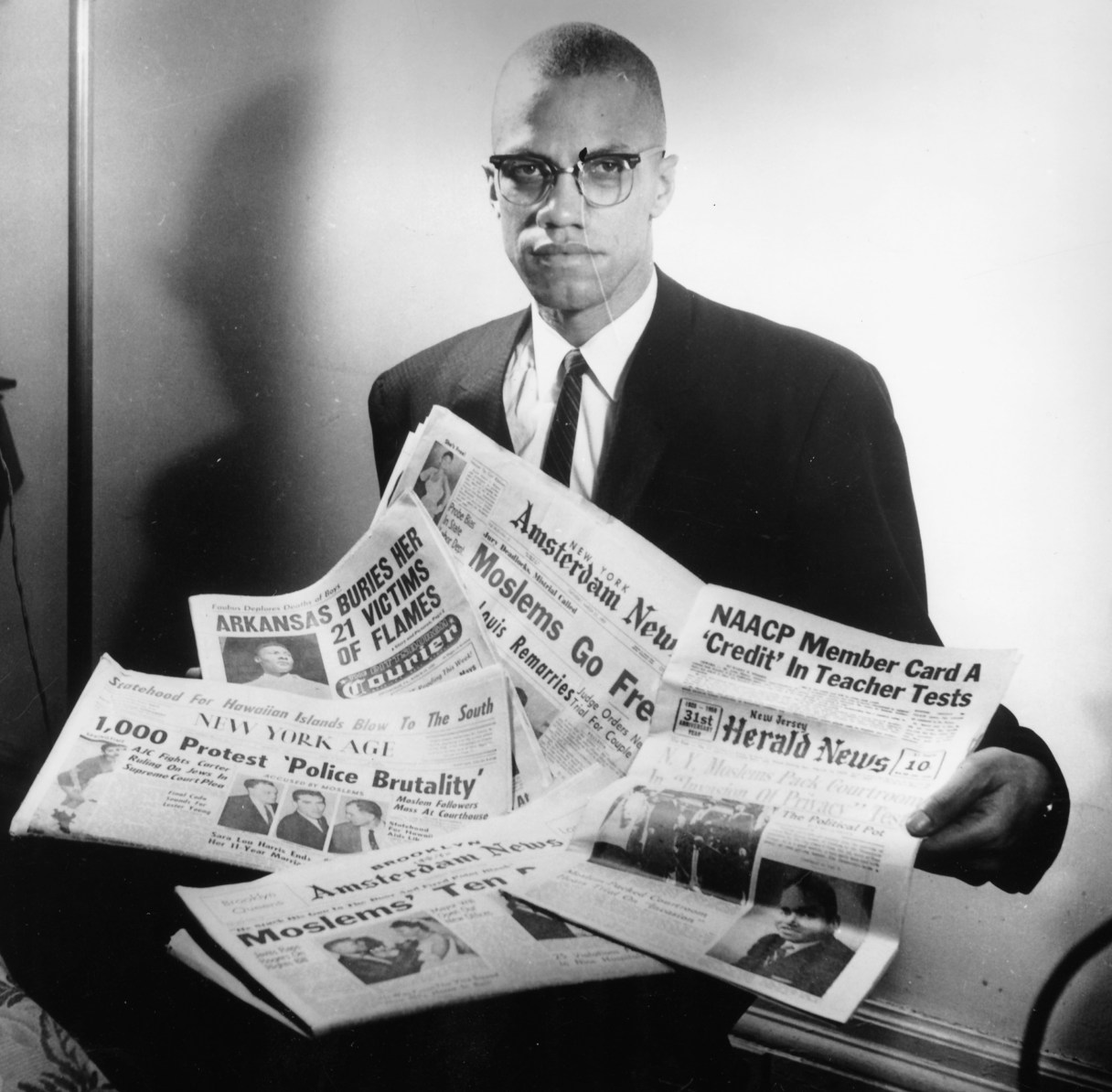
Every February, Black History Month invites Americans to honor the giants of the Civil Rights Movement.
We tend to celebrate Black moral courage only after it has been stripped of urgency — after its disruptions have been neutralized and its challenges to power rendered harmless. The figures we now hold up as national icons were once dismissed as dangerous or destabilizing by moderates and institutions that claimed to support equality while resisting its consequences.
This pattern is not accidental. It is structural.
Today, Martin Luther King Jr. is remembered as a unifying voice and a moral prophet. In his lifetime, he was widely unpopular. He was surveilled by the federal government, criticized by major newspapers and condemned by politicians who warned his protests were reckless and divisive.
Often forgotten is that King’s sharpest criticism was aimed not only at overt racists, but at what he called the “white moderate” — those who preferred order to justice and who urged patience in the face of inequality. King understood that moderation, when it delays justice, becomes a form of complicity.