
Chattanooga rebounded faster than many Southern river towns after the Civil War and experienced the “railroad-driven” recoveries of cities like Atlanta. Several factors supported Chattanooga’s rebound.
The city’s position on the Tennessee River at a natural gap in the Appalachians allowed important rail connections that were quickly expanded and consolidated after Appomattox. That gave Chattanooga immediate access to markets and made it a distribution/repair/rail freight center.
Chattanooga early on turned into an iron and manufacturing center that fed the region’s rail and construction needs. Abundant coal on the nearby mountains, iron ore in north Georgia and east Tennessee, and limestone from nearby bluffs and caves gave the city a built-in advantage for producing pig iron, cast iron, machinery and rail hardware.
Most importantly, a number of energetic northerners flocked to Chattanooga after the war. This influx of capital and managerial experience helped the economy expand in a way that differed from the classical plantation-to-sharecrop transition in rural areas of the South. Several individuals stood out for their achievements.
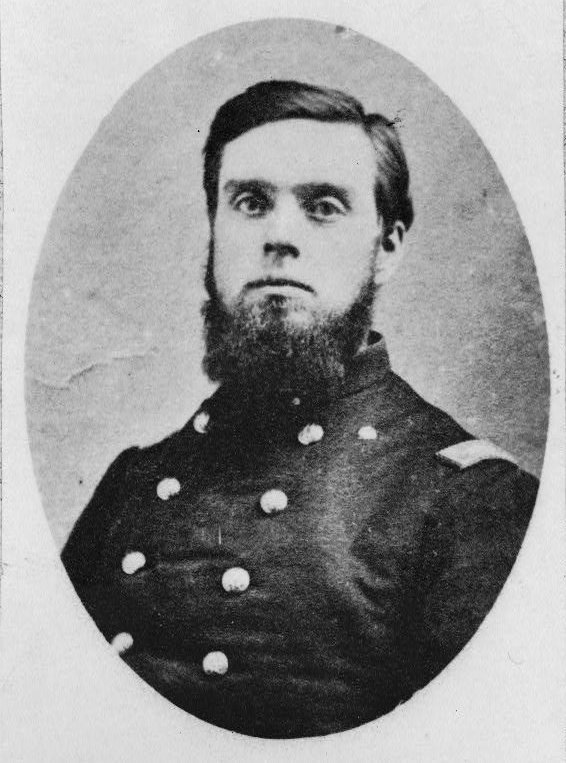
› John T. Wilder, a Union general during the war, settled in Chattanooga and spearheaded industrial promotion, founding iron works and marketing the city to northern investors as the potential “Chicago of the South.” He served briefly as mayor. His ventures in manufacturing and resource extractions helped multiply the city’s industrial output severalfold.