In case you missed it, at last month’s meeting, Hamilton County planning commissioners had a discussion initiated by Chair Ethan Collier about citizens who speak in opposition to rezoning and subdivision cases. In a nutshell, some planning commissioners seem to view opposition as a problem that needs to be fixed.
Collier suggested residents in opposition should be required to show on a map where growth should occur before being allowed to speak. Commissioner Matt Lyle labeled opposition as NIMBYs (Not In My Backyard) and BANANAs (Build Absolutely Nothing Anywhere Next to Anything), and Nathan Bird said they knew what the reply would be and citizens would direct growth to other communities.
Do you know what all three of these planning commissioners have in common? They all profit from development. In fact, the majority of the commission profits from development, which amounts to self-regulation. Of course they view opposition as a problem.
Here’s the actual biggest problem. They don’t seem to be listening to what citizens are saying, and rarely even discuss the problems brought up by the opposition.
Most citizens who speak in opposition aren’t against growth, but are against irresponsible growth which has occurred because adopted plans haven’t been followed. Some developments don’t follow zoning and subdivision regulations, or even the fire code.
Citizens are concerned about worsening traffic congestion on unsafe roads, emergency response times, and destruction of natural resources through clear-cutting trees, altering streams, and filling wetlands, sinkholes, and floodplains, which leads to increased flooding. And when the school board is forced to adopt new policies to deal with development, it is a clear sign that infrastructure is not keeping up with growth.
This is not NIMBYism. It’s asking the government to plan responsibly and follow its own regulations.
Collier brought up the need for more affordable housing. We can all agree there is a need. But the way that is accomplished is still debatable. Their solution seems to be more density equates to affordability. Citizens studied this in the Ooltewah area and presented examples that showed increasing density to five housing units per acre for the same sized homes doesn’t always equate to lower cost.
And many residents can’t afford the so-called affordable housing on the market today.
The real problem isn’t a lack of housing. It’s what’s being built. Developers aren’t building affordable homes. Instead, they’re building homes that maximize profit. Affordable finishes like laminate countertops and fiberglass tubs are no longer part of new construction. And if building more expensive homes actually leads to more starter home availability, the market would already be full of them. But it isn’t.
Collier was concerned that residents who aren’t homeowners might not be attending meetings or might not know about agenda items in their area. But they are often attending, because irresponsible development affects everyone. All citizens are notified through public notices and the planning agency website, which in my opinion needs some improvement. If the Planning Commission wants higher attendance then they need to change the meeting time to 6 p.m. or later.
Not following adopted plans has led to the problems that we have today. Previously adopted plans were based on traffic, safety, and infrastructure studies along with citizen input. Citizens provided critical information about flooding, congestion, and unsafe roads.
That is how Plan Hamilton was supposed to be created. Instead, the new area plans were scrapped by the planning commission and replaced with a version hijacked by the Home Builders’ and Realtors’ associations through Commissioner Lee Helton’s resolution.
The existence of opposition should not be the Planning Commission’s primary concern. What the opposition is saying should be of great concern. The commission should listen. If more people are showing up to oppose cases, it is because the system is failing to address real problems.
When it takes 30 minutes to drive two miles, schools are so overcrowded that children are being bused elsewhere, and sewer capacity is exhausted, it is clear that the planning commission is not fulfilling the duties required by state law.
This is why so many unincorporated county residents are calling for their own Planning Commission that isn’t dominated by commissioners who profit from development.
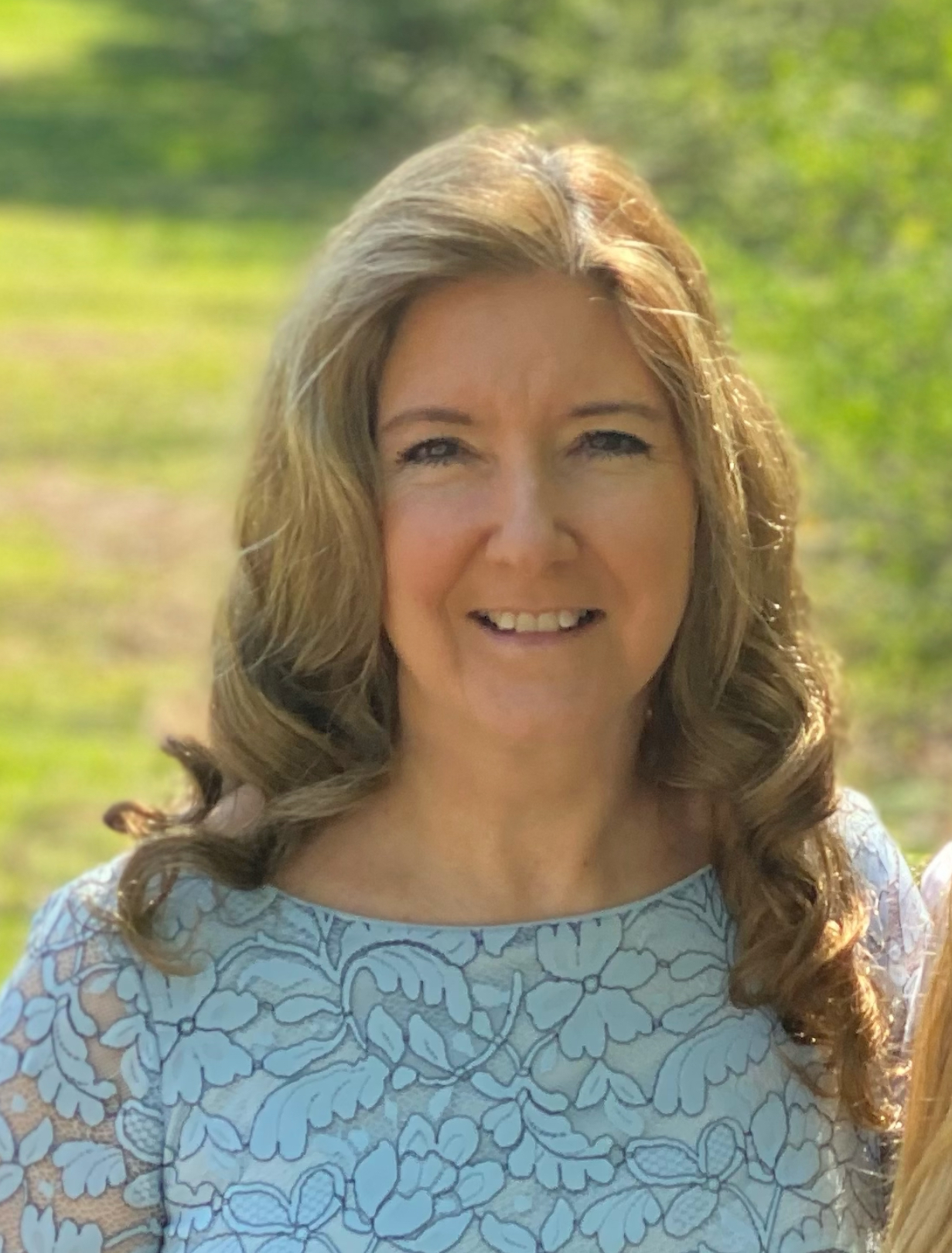
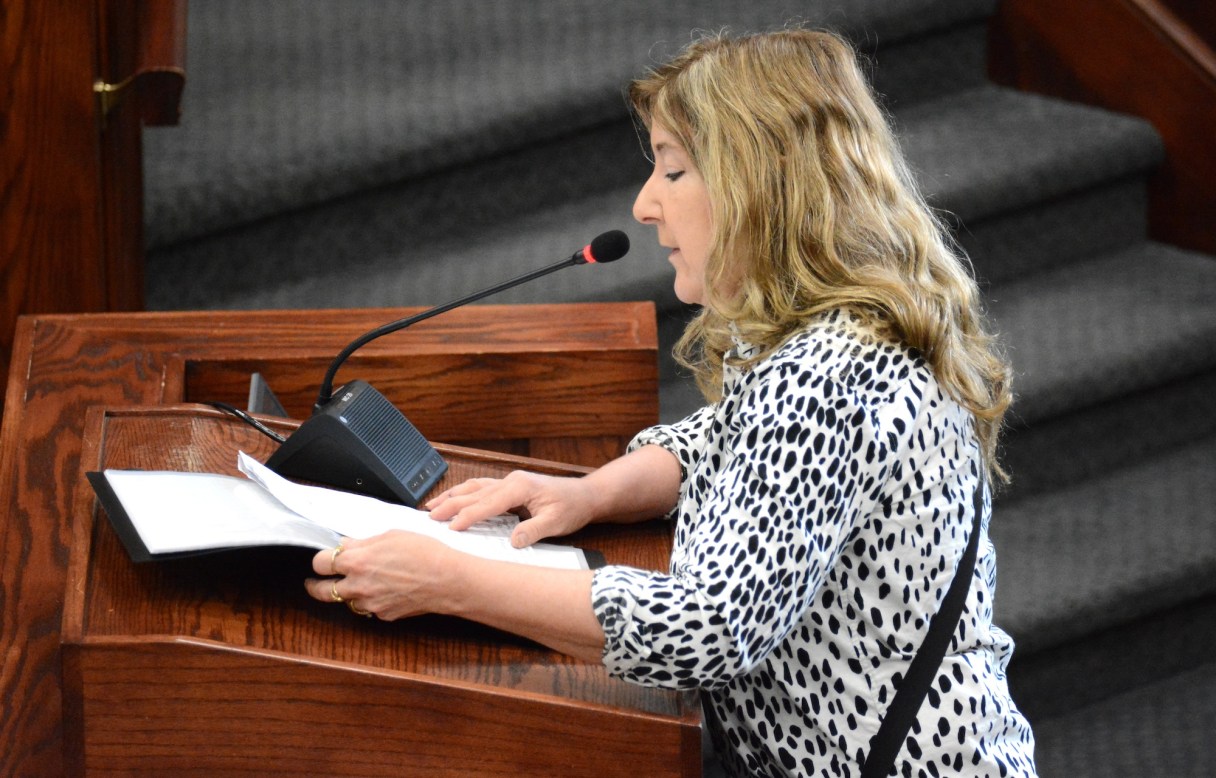
Kim Helton lives in the Snow Hill area of Ooltewah and is a member of the Hamilton County Citizens for Responsible Development. She frequently opposes proposed development at planning meetings.