
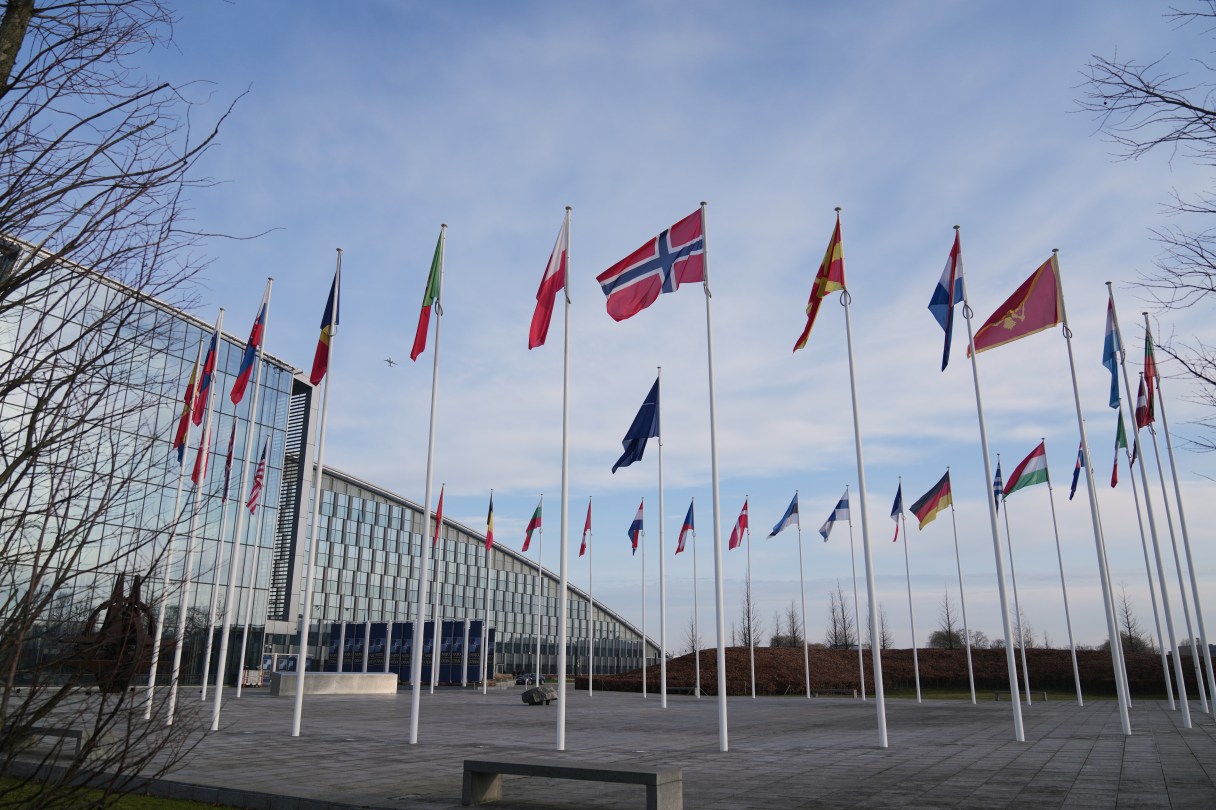
BRUSSELS (AP) — “Intimidation,” “threats” and “blackmail” are just some of the terms being used by European Union leaders to describe U.S. President Donald Trump’s warning that he will slap new tariffs on nations opposing American control of Greenland.
European language has hardened since Trump returned to the White House 12 months ago. Now it’s in reaction to the previously unthinkable idea that NATO’s most powerful member would threaten to seize the territory of another ally. Trade retaliation is likely should Trump make good on his tariff announcement.
A year into Trump 2.0, Europe’s faith in the strength of the trans-Atlantic bond is fading fast. For some, it’s already disappeared. The flattery of past months has not worked and tactics are evolving as the Europeans try to manage threats from an old ally just as they confront the threat of an increasingly hostile Russia.
Trump’s first term brought NATO to the brink of collapse. “I feared that NATO was about to stop functioning,” former Secretary-General Jens Stoltenberg wrote in his recent memoir, after the U.S. president had threatened to walk out of a 2018 summit.