
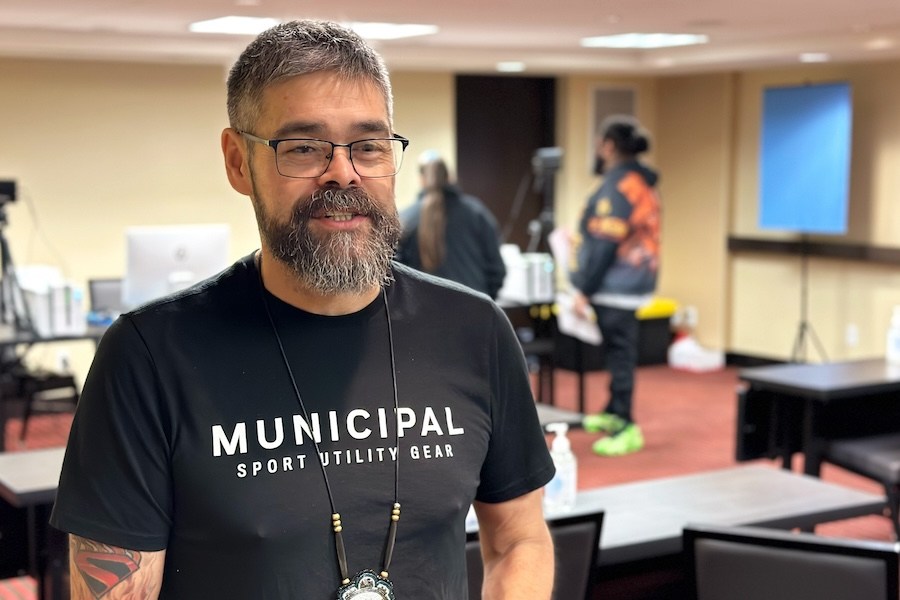
MINNEAPOLIS (AP) — When U.S. Immigration and Customs Enforcement flooded Minneapolis, Shane Mantz dug his Choctaw Nation citizenship card out of a box on his dresser and slid it into his wallet.
Some strangers mistake the pest-control company manager for Latino, he said, and he fears getting caught up in ICE raids.
Like Mantz, many Native Americans are carrying tribal documents proving their U.S. citizenship in case they are stopped or questioned by federal immigration agents. This is why dozens of the 575 federally recognized Native nations are making it easier to get tribal IDs. They’re waiving fees, lowering the age of eligibility — ranging from 5 to 18 nationwide — and printing the cards faster.
It’s the first time tribal IDs have been widely used as proof of U.S. citizenship and protection against federal law enforcement, said David Wilkins, an expert on Native politics and governance at the University of Richmond.
“I don’t think there’s anything historically comparable,” Wilkins said. “I find it terribly frustrating and disheartening.”