
This story was originally published by the Nashville Banner. Sign up for their newsletter at nashvillebanner.com/newsletters.
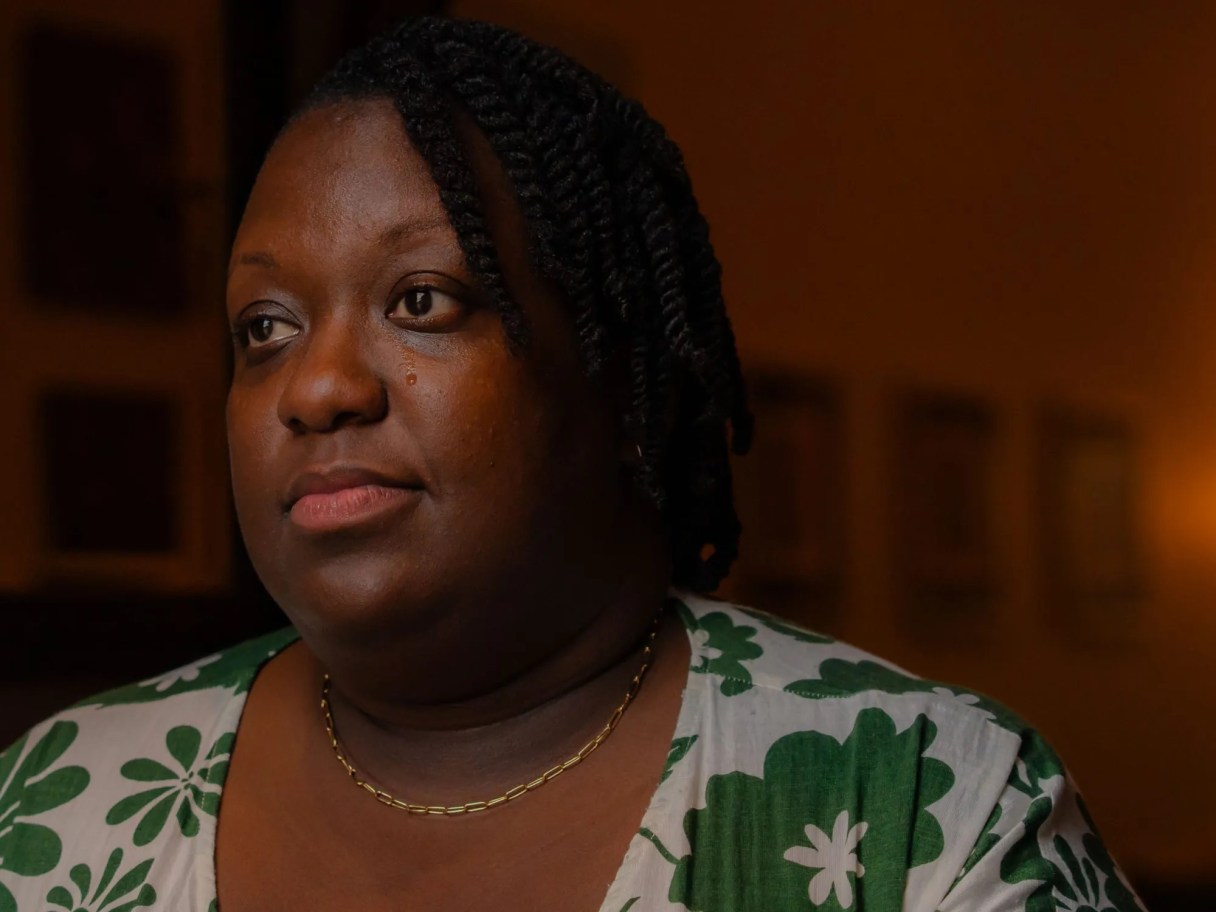
Darnell Towns-Gedeus was nine months pregnant with her second child when she went to the doctor for a routine checkup Jan. 5. While her son wasn’t due until Jan. 21, he wasn’t making the required amount of movements that the doctors looked for during an ultrasound and a stress test.
Before she knew it, she was told she’d be giving birth that day via C-section. What followed was a rush of information from medical providers and frantic messages to let her family know what was happening.
After she gave birth, Towns-Gedeus received the standard testing and checkups to make sure she and her baby were OK. She knew they’d check her iron levels, but she didn’t know they’d test for drug use.
She takes Labetalol, a heart medication that many pregnant people take for high blood pressure. It can errantly show up as a synthetic opioid on drug tests. Towns-Gedeus took the same medication when she gave birth to her daughter four years before and there wasn’t an issue then. But the nurse told her there was a new test that pregnant people had to take.