
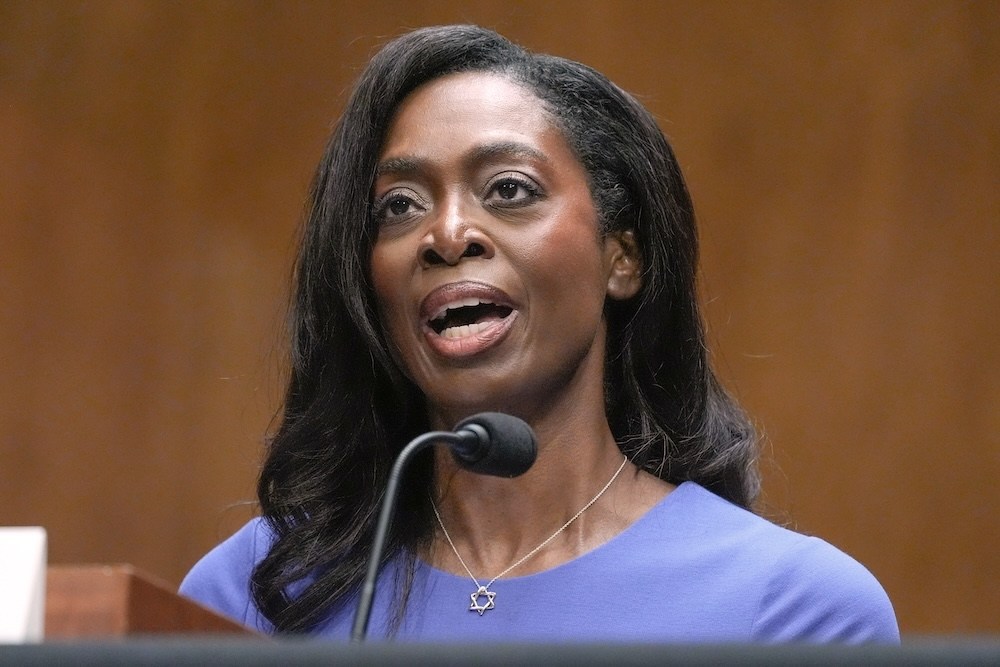
The Trump administration’s latest nominee to lead the nation’ top public health agency drew frustrated reactions from some U.S. senators on Wednesday when they pressed her on whether she would protect the Centers for Disease Control and Prevention from political meddling.
Dr. Erica Schwartz told the Senate health committee she “will never betray the science” and pledged to use “radical transparency” in a bid to rebuild public trust in the agency. But several senators questioned how she might handle pressure from Health Secretary Robert F. Kennedy Jr., who has repeatedly moved to alter U.S. vaccine and CDC policies. Schwartz repeatedly declined to dissent from some of those actions.
Schwartz, 54, is up for director of the Atlanta-based CDC, which is charged with protecting Americans from preventable health threats.
Her career has largely been spent in military uniform, including in a leadership position at the U.S. Coast Guard where she oversaw the organization’s system of 41 clinics and 150 sick bays — as well as policies promoting vaccinations of service members. She later served as deputy surgeon general, where she helped lead uniformed medical and health professionals posted at the CDC and government health agencies that serve the general public.
The CDC long enjoyed a sterling international reputation but has been in turmoil since Trump returned to office last year. Largely due to layoffs and resignations, the agency has lost more than 3,000 employees, or more than a quarter of its workforce. Morale has plummeted as a succession of mostly temporary leaders have come and gone — the front office filled with political appointees, many of them with little or no training in medicine or public health.