
The Alabama Attorney General’s Office urged a federal court Friday to allow it to pursue the execution of a death row inmate by lethal injection after it was barred from using nitrogen gas.
In a filing with U.S. District Judge Emily Marks, attorneys argued that Jeffrey Lee, sentenced to death for the 1998 murders of two people during a pawn shop robbery, can be executed by lethal injection after the federal courts ruled that executing Lee by nitrogen gas would constitute cruel and unusual punishment.
“Lee elected nitrogen hypoxia in 2018, waited seven years and then challenged the very method he elected,” attorneys for the state wrote. “He won, so the state predictably moved to execute him by lethal injection instead. Now, contradicting himself a second time, Lee says his election still binds the state, which must ‘devise a new and unspecified means of carrying out’ his execution by hypoxia.”
Attorneys representing Lee on July 7 filed a motion to expand Marks’ injunction against nitrogen gas executions, arguing that an agreement in 2018 to dismiss Lee’s earlier lawsuit against the state’s lethal injection protocol prevented the state from using that method to put him to death. Lee has proposed being executed by firing squad, a form of capital punishment not currently authorized in the state.
In the motion, Lee’s attorneys said Alabama is bound by the terms of the 2018 agreement. Attorneys for the state wrote on Friday that Lee never raised the issue of executing him by lethal injection.
“On his own telling, the motion raises a wholly ‘new controversy,'” the state’s motion said. “But a new controversy requires either amending the complaint, which Lee disclaims, or a new lawsuit.”
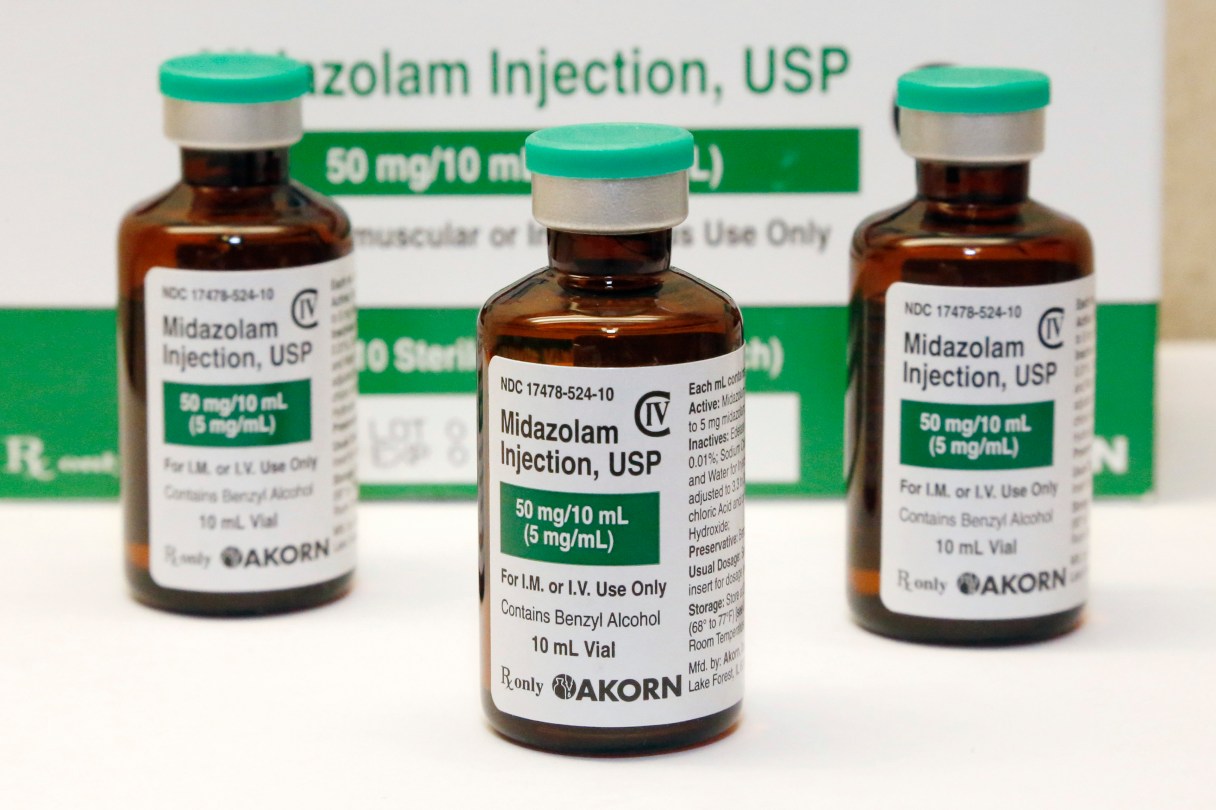
The Attorney General’s Office also said the federal district court’s injunction only extends to the nitrogen gas execution method and not to the other methods currently available in Alabama, including lethal injection, which uses three drugs including midazolam, a sedative.
“The court correctly declined to limit ADOC’s methods of execution to those Lee provided,” the AG’s Office said in its motion. “There was nothing before the Court to suggest that ADOC’s midazolam protocol (the Glossip protocol) is unconstitutional — or, for that matter, that its electrocution protocol is unconstitutional.”
Marks had not ruled on the motion as of early Monday afternoon. The deadline for Lee’s attorneys to file the reply is Wednesday.
Read more at AlabamaReflector.com.