
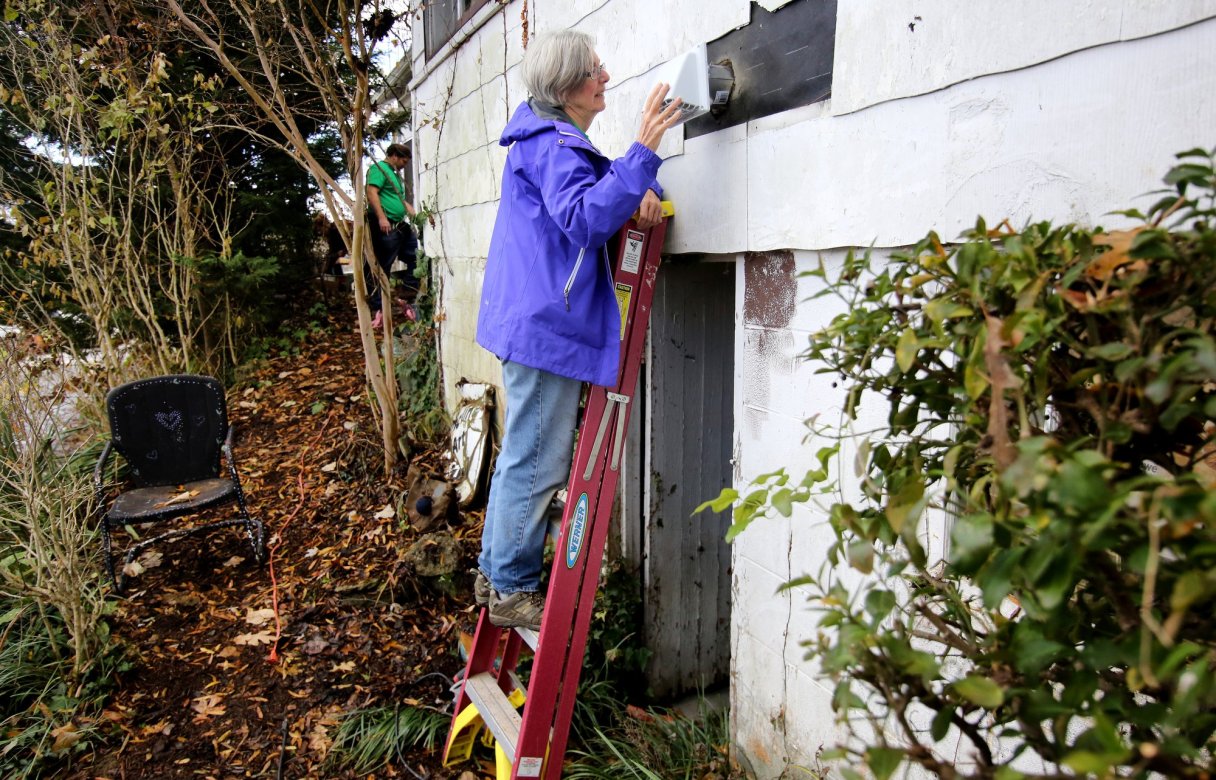
In 2022, I was part of a research team that mailed 2,500 surveys to older St. Louis homeowners to determine their need for home repairs. The cover letter listed my phone number as the one to call with questions or concerns. I asked our survey research expert how many calls I should expect. “Don’t worry,” she said. “Maybe five.”
I received more than 200.
One caller told me she had completed the survey but couldn’t take it to the mailbox because her front stairs had collapsed. Instead, she handed it through the window to a neighborhood boy who took it to the mailbox. She asked me whether we had any funds to repair her stairs.
Our team was never able to offer funds for repairs, but homeowners called anyway. Invariably polite, they were desperate for help. The best I could do was refer them to programs with multi-year waiting lists. These calls broke my heart, driving home the human cost of housing deterioration.
Housing affordability is now a huge issue. The bipartisan ROAD to Housing Act, which recently became law by a veto-proof majority despite President Donald Trump’s refusal to sign it, is laser-focused on affordability. It includes provisions to reduce the burden of regulations to free up the market to build more housing, increasing supply to drive down prices.