
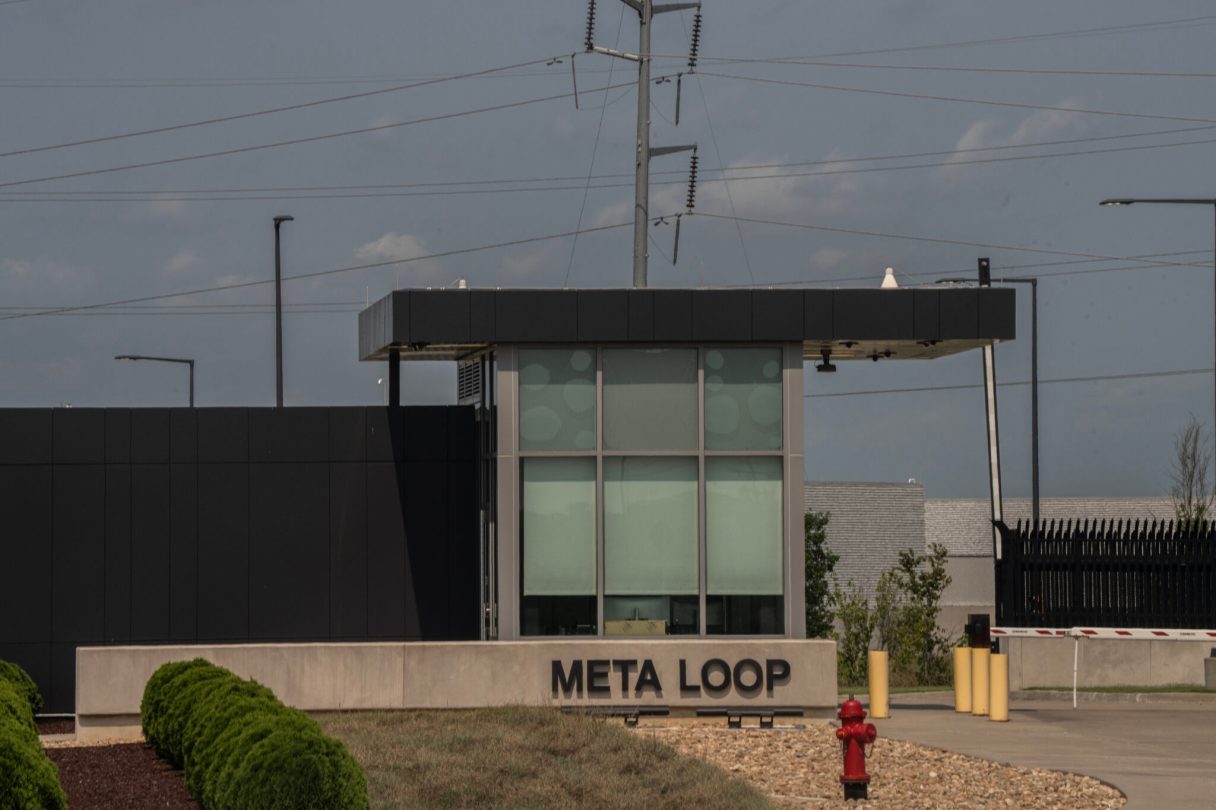
Data centers, which store and facilitate data for computer applications, have become more ubiquitous in public discourse over the past few years as artificial intelligence tools have risen in prominence.
In areas where the data centers have located, residents have reported constant low humming noises that disrupt everyday life. They’ve seen higher energy costs, and in some cases, companies plan to cut off whole regions’ power supply to better service AI data centers. And people worry about the environmental costof data centers as emissions continue to pollute the air the longer the centers operate.
Crypto or bitcoin mines, meaning facilities used to manufacture digital currency, are also a worry. While they’re separate entities from data centers, they are often grouped together by those opposing them.
Johnson City, in its efforts to regulate such facilities, classifies both as buildings “primarily designed or used for the storage, management, processing, validation or transmission of digital information,” while using “specialized mechanical, electrical, cooling and standby power systems intended to support continuous or large-scale digital operations.”
Data centers are proliferating in Tennessee, with several planned in Virginia and Kentucky, all less than 200 miles from the Tri-Cities area.