
Sunday, November 15, 2026Nov 15

Free Press Opinion: Iran war, other factors weakening OPEC

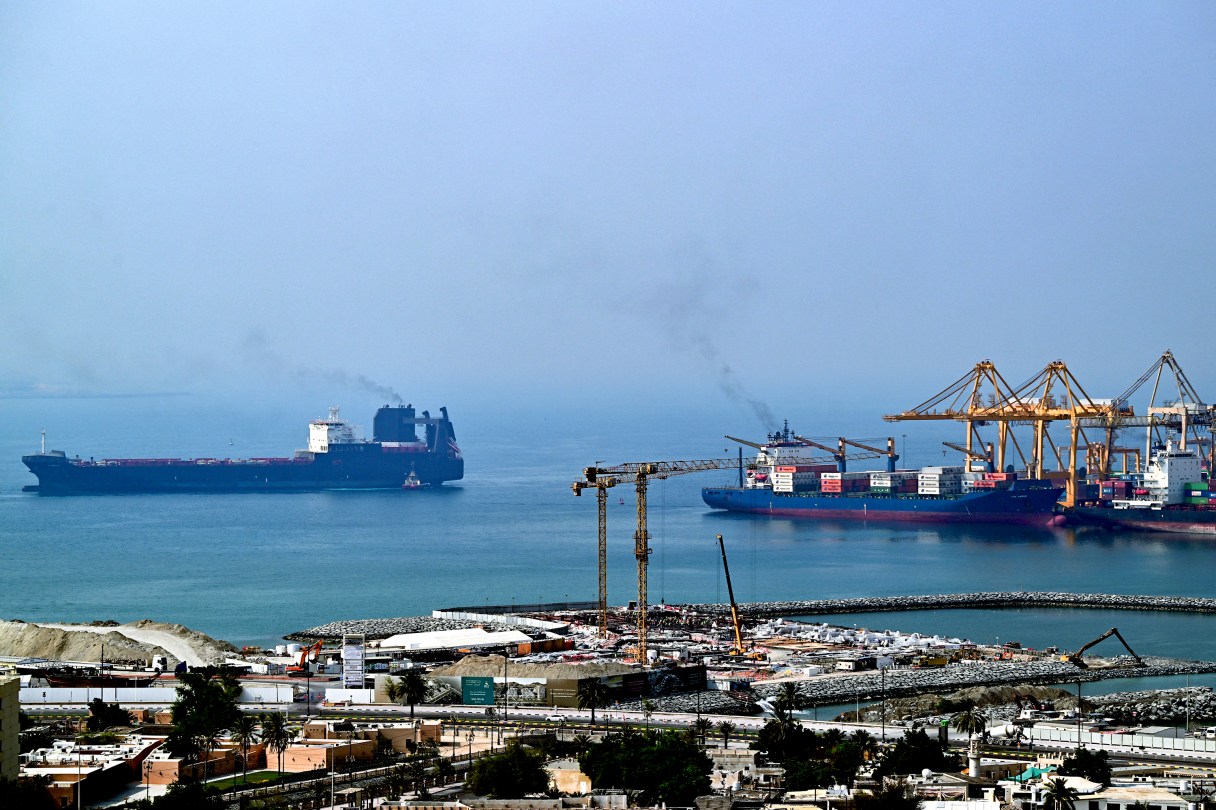
AFP/Getty Images/TNS / Ships are docked along a pier at the Khor Fakkan Container Terminal, the only natural deep-sea port in the region and one of the major container ports in Sharjah Emirate, along the Gulf of Oman on July 14, 2026. Tehran announced it was closing the Strait of Hormuz on July 12 and launched missiles and drones at its Gulf neighbors, in retaliation for new US strikes following an attack by Iranian forces on a merchant vessel that was abandoned in flames by its crew.


OPEC looks like it might be coming undone. Major members have threatened to leave, and one already has. This could eventually mean more global oil supplies, which will mean lower gasoline prices here at home.

OPEC started in the 1960s explicitly to keep oil prices high by cartelizing production. Its members intentionally pump less oil to create predetermined shortages that keep prices high.

Like any cartel, this coordination is tricky — every country wants to cheat and pump extra. Sure, the additional volume will reduce prices slightly, but the cheater sells so much more oil that the higher volume makes up for the slightly smaller margins.

This incentive means every cartel needs an enforcer. For OPEC, that was Saudi Arabia. The problem is that this isn’t the 1960s anymore — in two big ways. First, oil production in non-OPEC countries has soared over the last six decades. Second, while OPEC countries never liked each other much, they now like each other a lot less after four months of mutual bombings.