
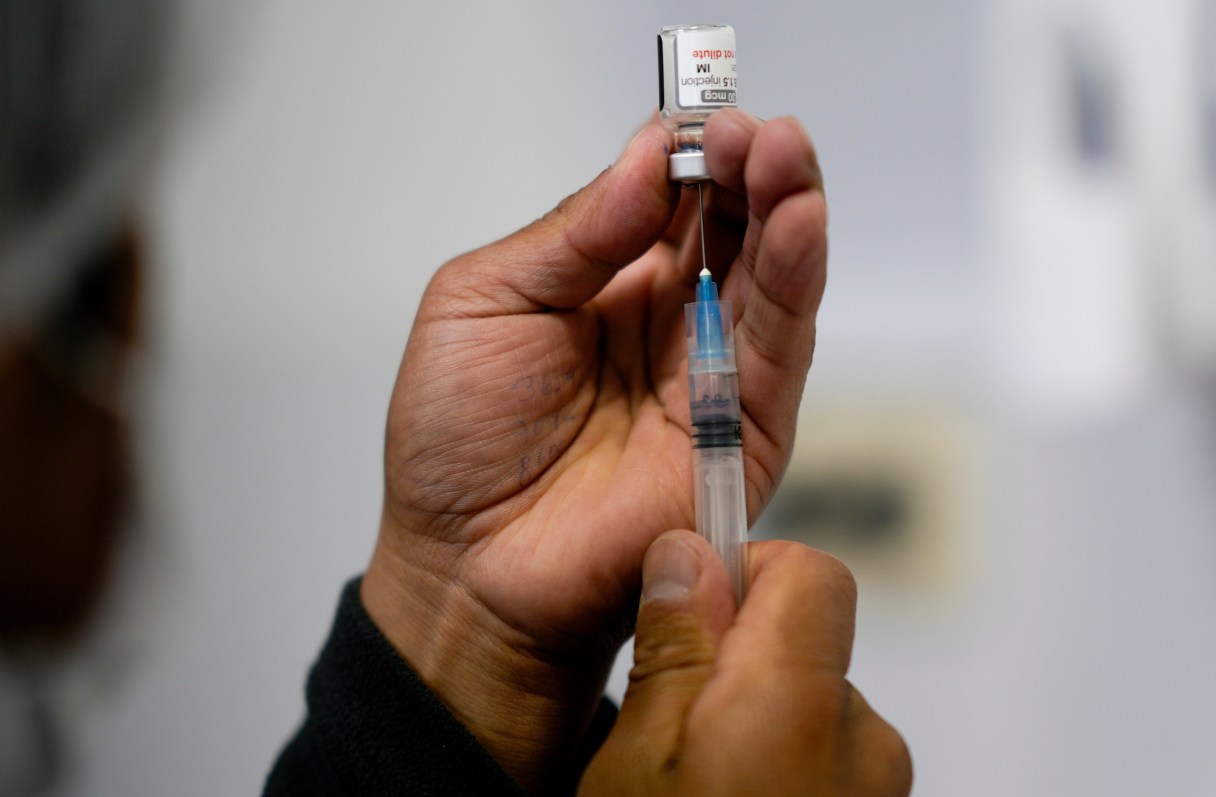
The Georgia Supreme Court ended an agreement preventing the execution of nine death row inmates, even though the Food and Drug Administration hasn’t approved the COVID-19 vaccine for children under the age of 6 months.
Here’s how those two things are related.
According to the court, the 2021 agreement stated that the Attorney General’s Office would not pursue execution warrants for certain prisoners whose petitions for a rehearing had been denied while the state was under an emergency order during the pandemic.
Under the agreement, the process could move forward six months after three conditions had been met: the COVID-19 judicial emergency order had been lifted, the Georgia Department of Corrections had resumed its normal visitation policy and “a vaccination against COVID-19 is readily available to all members of the public.”
Attorneys for the Federal Defender Program, a nonprofit that represents death row inmates, argued that jails have not resumed their normal visitation policies and COVID vaccines are not available to all members of the public. The vaccines are not recommended by the FDA for infants until they are 6 months old.