
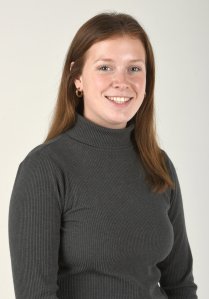
Signal Mountain native exposed to Ebola, quarantined in Prague
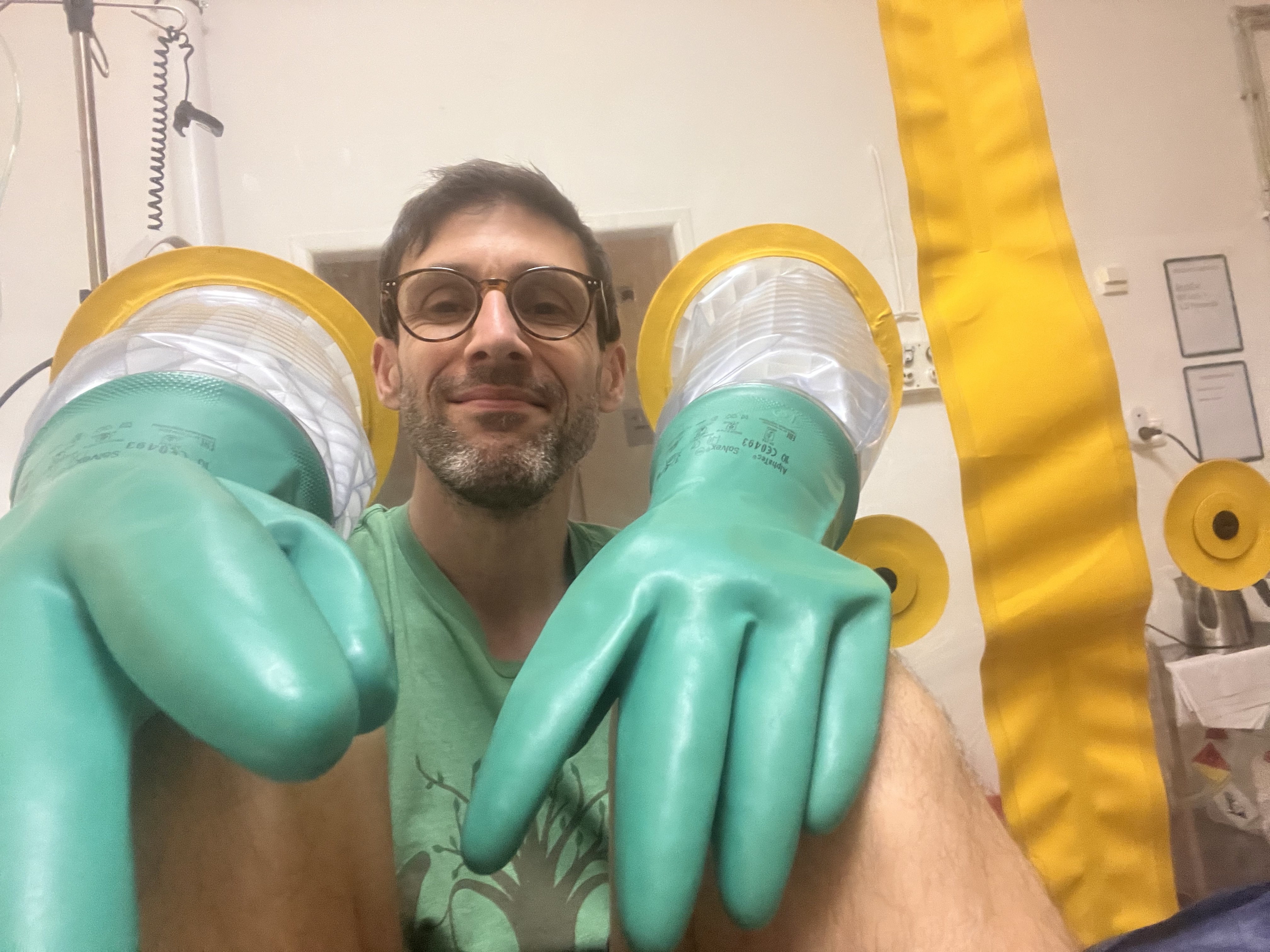
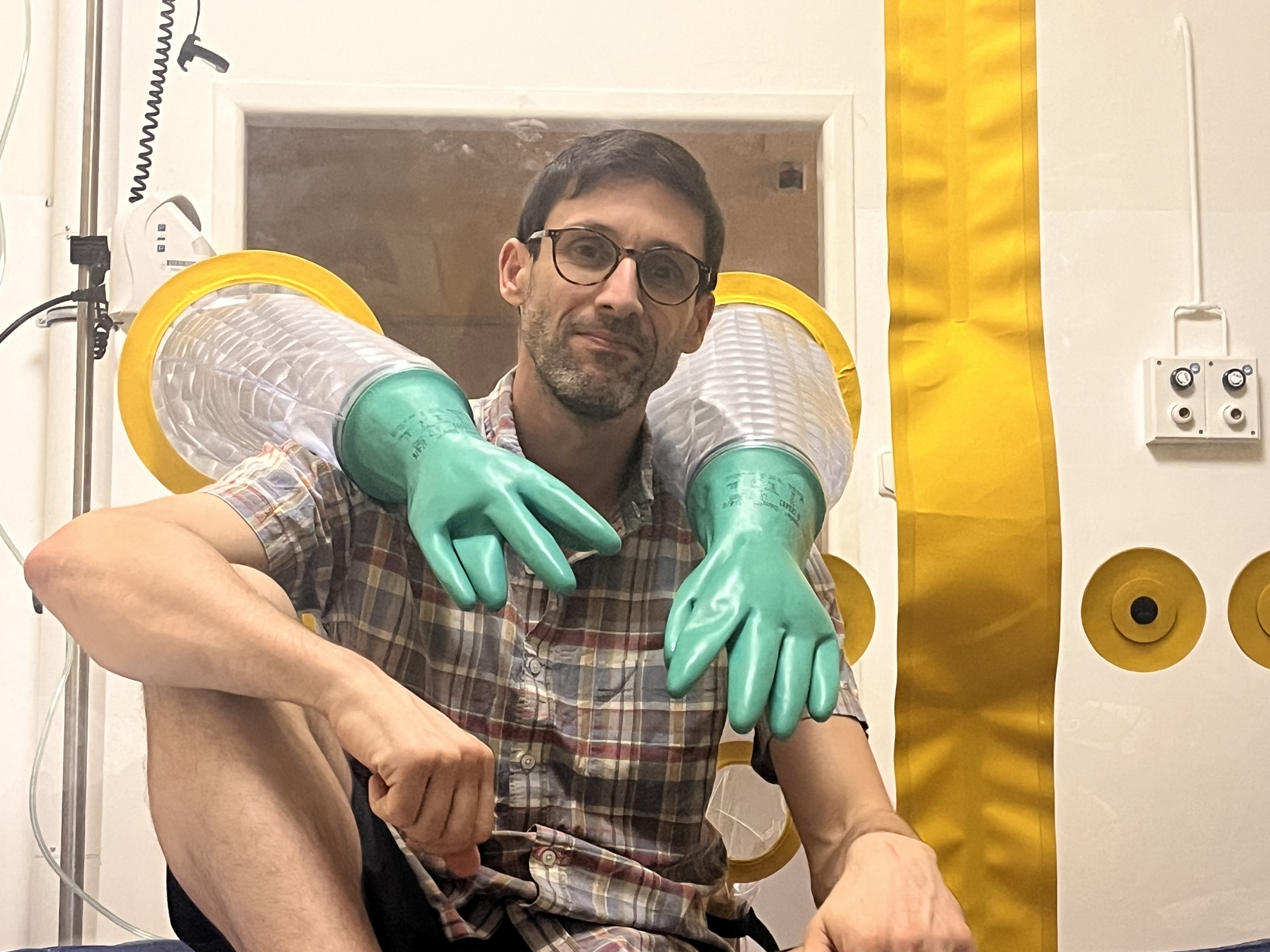
Dr. Patrick LaRochelle has been living in a bubble for the past two weeks, waiting to see if he has contracted Ebola.
LaRochelle, a native of Signal Mountain and a graduate of McCallie School, was evacuated from the Democratic Republic of Congo in late May after he discovered he had been exposed to the frequently fatal virus. He is asymptomatic and has been in a sealed clear plastic enclosure in a hospital room in Prague since his evacuation.
“I’ve been exercising in place, and I have a window that I look out of,” LaRochelle said during a video call Thursday. “I’ve been very busy trying to communicate with friends in Congo and trying to help from afar.”
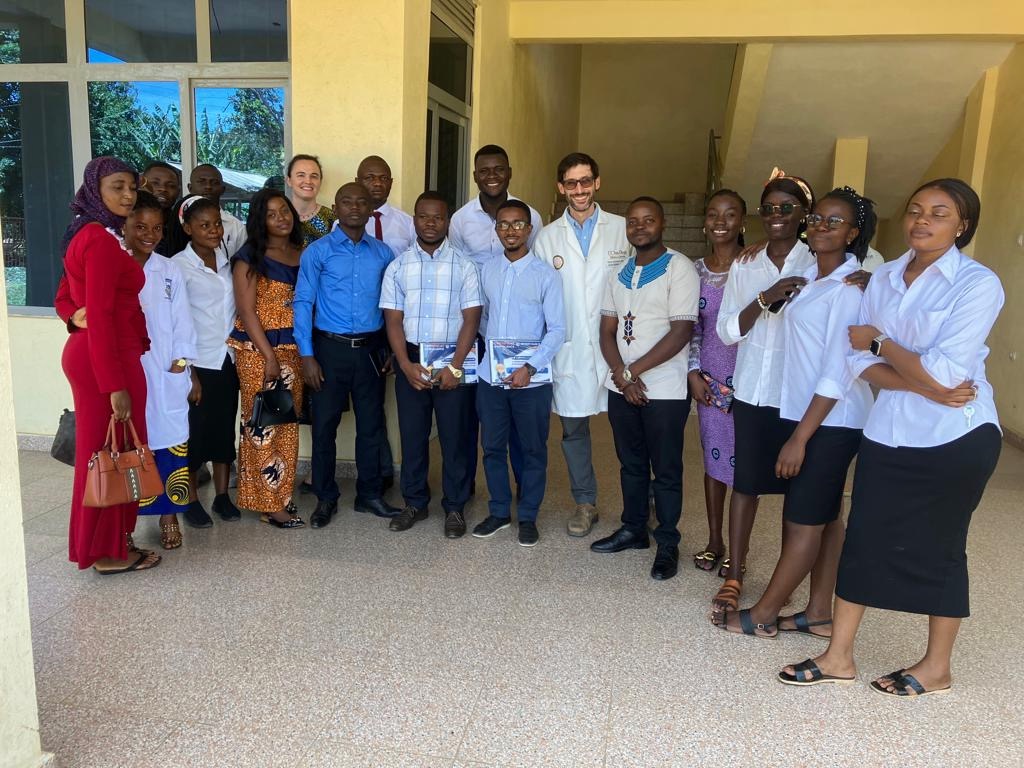
LaRochelle has served as a medical missionary in the Democratic Republic of Congo alongside his wife, Anna LaRochelle, since 2015. Patrick LaRochelle is a consultant in internal medicine and pediatrics, and his wife is a family nurse practitioner.
LaRochelle was evacuated alongside Dr. Peter Stafford, who contracted Ebola. Stafford was taken to Germany, where he is receiving treatment. LaRochelle said Stafford is no longer infectious and is doing well. Stafford’s wife, also a doctor, was exposed and is asymptomatic.
The physicians have attracted national media attention, being the only Americans to have contracted or been exposed to the virus during the current outbreak.
The Staffords and LaRochelles work with a non-denominational mission agency called Serge. The missionaries must fundraise their salaries to work in Congo, and Signal Mountain Presbyterian Church (the church Patrick LaRochelle was raised attending) is a sponsoring church of the LaRochelles.
Pictures of LaRochelle’s family — his wife, Anna, and their three children, ages 6 to 14 — are taped to the clear plastic wall of his box. They have all made it back to the United States for a family reunion, which LaRochelle will miss due to his quarantine. As of Friday, his projected date of release was Wednesday.
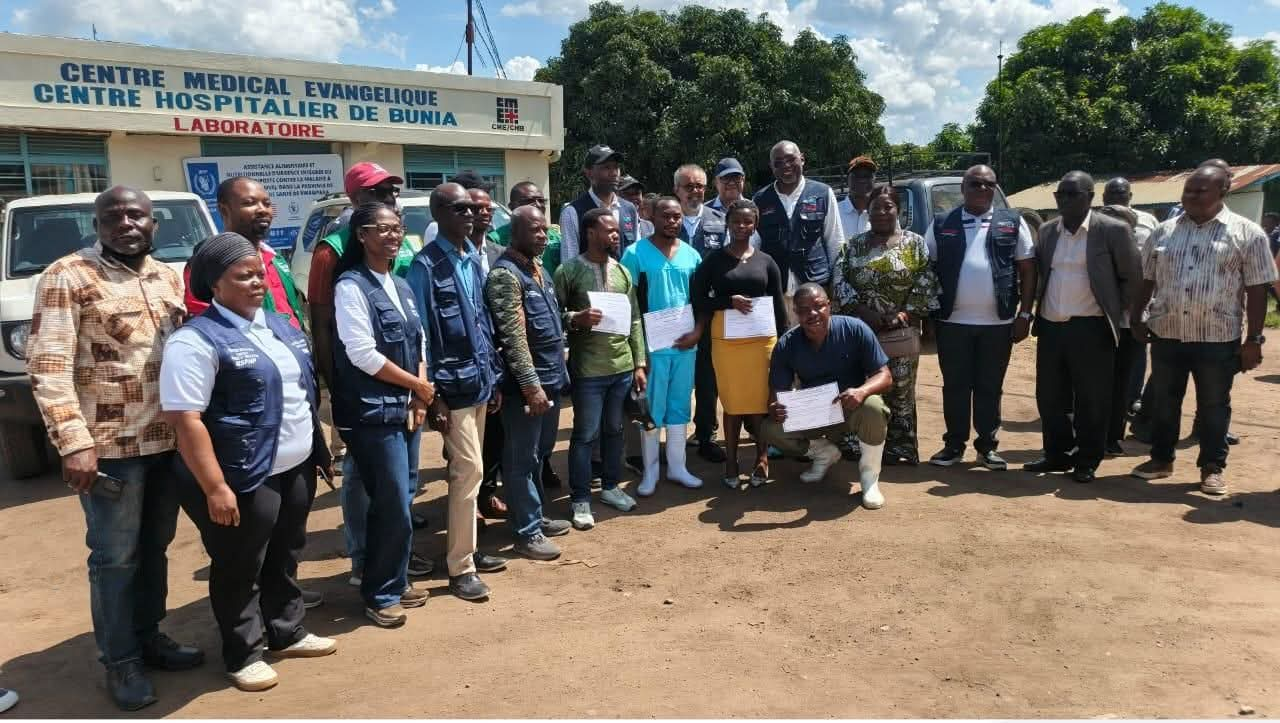
LaRochelle works at a hospital in Bunia, a city in the northeast corner of the Democratic Republic of Congo. Bunia is about 50 miles south of Mongbwalu, the epicenter of the current Ebola outbreak in Congo.
In early May, hospitals in the area identified an outbreak of the Bundibugyo strain of the Ebola virus. According to the CDC, as of June 2, there were 363 confirmed cases and 62 deaths from the virus in Congo. There were 16 cases in Kampala, Uganda, and one confirmed death.
(READ MORE: ‘We’re still behind’ in Congo’s Ebola outbreak even as testing improves, WHO chief says)
“April and early May were a really confusing time at our hospital,” LaRochelle said. “There were a lot of really weird cases, and we were trying to figure out what was going on.”
LaRochelle treated a child who appeared to have meningitis and was exposed to his blood. There were also two sisters who died a day apart whom LaRochelle treated.
“They were both from Mongbwalu, which is the epicenter, and they both had the sort of deaths that we see relatively commonly,” LaRochelle said. “So, it wasn’t like, ‘This is bizarre.'”
A GROWING THREAT
Death is omnipresent in Congo, LaRochelle said. Illnesses like malaria, meningitis, HIV and tuberculosis present similarly to Ebola at first. But hospital staff had been hearing about increased deaths in Mongbwalu, and when they heard there was an Ebola outbreak, everything became clear, LaRochelle said.
“It unfortunately is not that out of the ordinary to have multiple people die during rounds, and so it didn’t lead to this, like, incredible fear … What’s torturous is not knowing what it is,” LaRochelle said. “But then, in hindsight, it’s more scary in hindsight.”
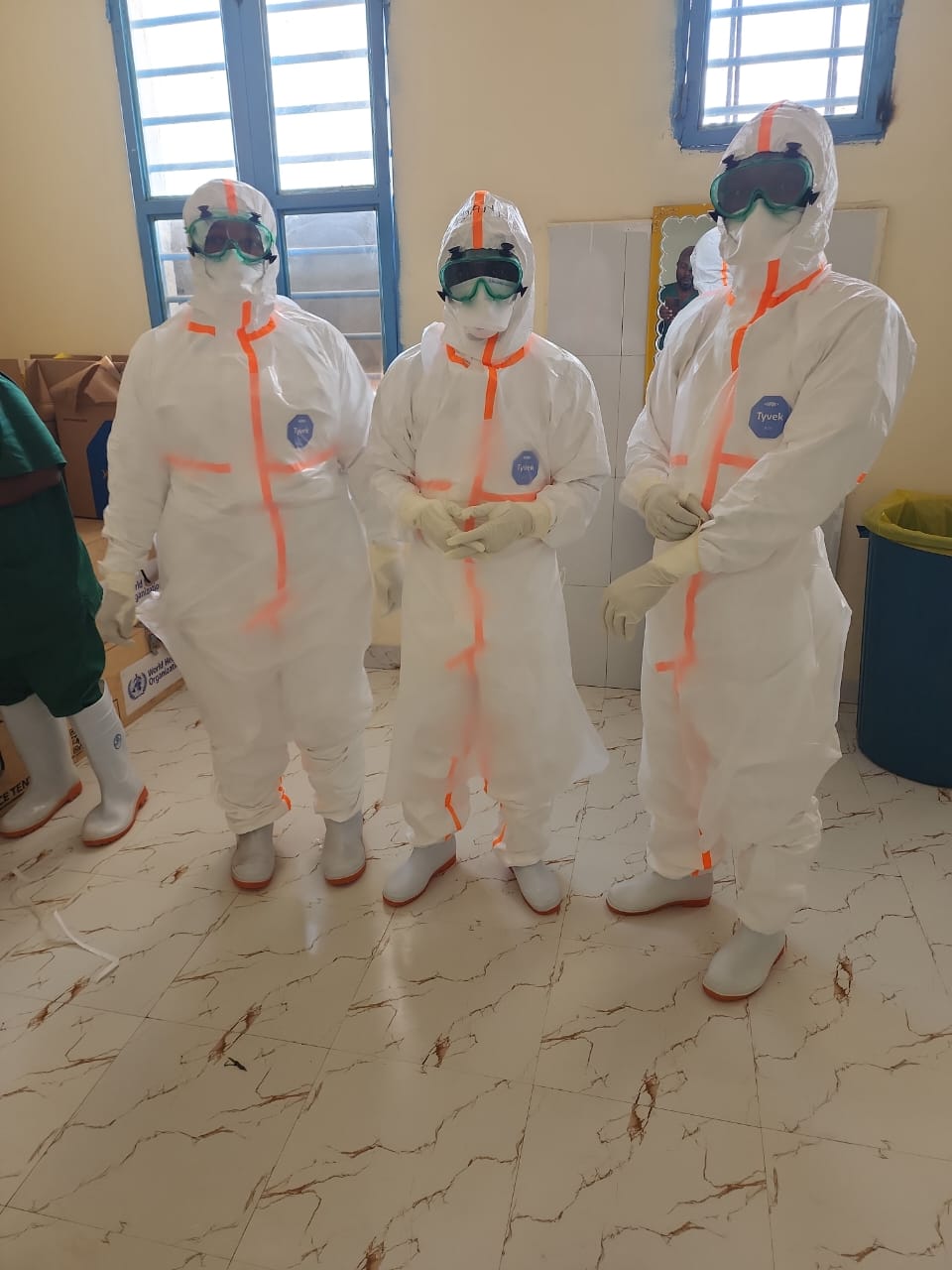
At the start of the outbreak, the hospital did not have access to a stable supply of protective equipment, he said. Since then, the country’s ministry of health has opened a dedicated Ebola treatment center at the hospital.
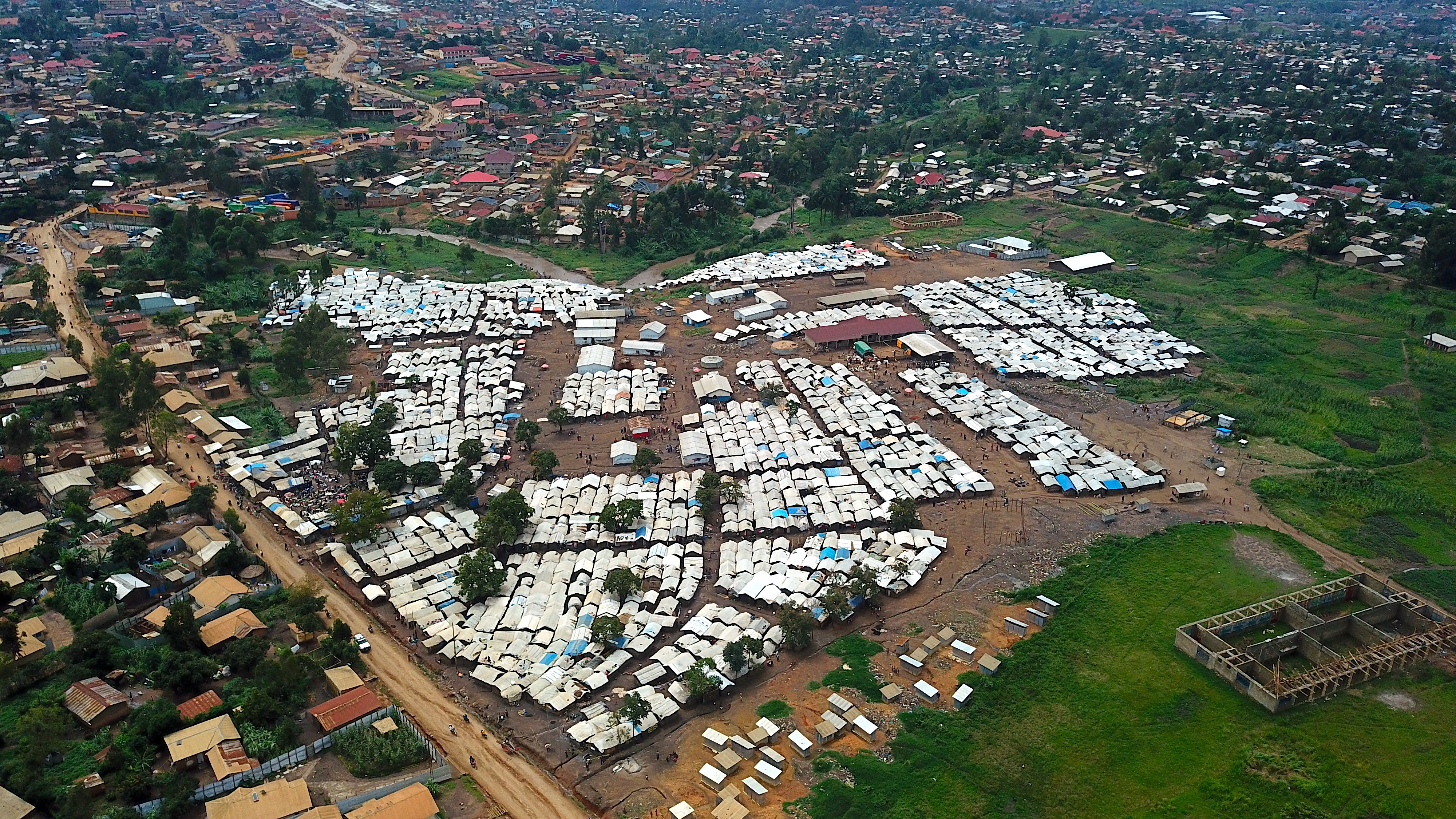
Life in Congo is very simple in some ways, LaRochelle said. Most Congolese are farmers, he said, and families are often large. In Bunia, there is also a large population of refugees in camps who have been displaced by tribal conflict. There are many desperately poor people and homeless children, LaRochelle said.
“And I think that, in Congo, it can feel like God has forgotten this place,” LaRochelle said. “And yet, I think there’s a lot of ways in which we see God’s presence, in the work and in the people that we know there and the opportunities to serve. And, we hope at least, that we’re demonstrating his presence, serving as his hands and feet.”
At least 40 people who work at the hospital with LaRochelle have been hospitalized with the disease, and one has died, he said.
FEAR AND FAITH
The outbreak has been hard on staff, LaRochelle said. With so many hospital employees sick, the medical team is short-staffed. On top of that, people were threatening hospital staff and wanting to take bodies before testing had been done, LaRochelle said.
“There are a lot of Congolese that are being heroes now,” LaRochelle said. “They’re taking care of their fellow Congolese, taking risks themselves, and despite threats and being beaten up, you know, they come to work again and they continue.”
The negative reactions doctors have experienced come from active distrust in the region mixed with grief and shock when a patient dies from Ebola, LaRochelle said.
“The reactions are very extreme, when it comes to Ebola, whether it’s at country borders or things like that,” LaRochelle said. “And I think it’s because of the perception that you’re going to have these people bleeding out everywhere and everyone’s going to get sick and die, but particularly in early stages, it’s not like that.”
Ebola cases that involve bleeding are in the minority, LaRochelle said.
The Congolese are people of faith, LaRochelle said, and the most common pastimes are singing and playing soccer. But people there have suffered immense trauma from violence and disease, LaRochelle said.
They have not been able to trust their government for security, and it is very easy for the Congolese to not trust medical interventions, LaRochelle said. In the last Ebola outbreak, some people believed that healthcare providers were giving them Ebola in an attempt to affect the election, LaRochelle said.
“You end up having this really wonderful, beautiful culture, but there’s fear that’s kind of interwoven there,” LaRochelle said. “And when there are stressful events, like war or outbreak, this fear can kind of win out.”
Trust has to be earned, but at the same time, doctors have to move quickly in the face of an outbreak. LaRochelle compared the Congolese reaction to the way people in the U.S. reacted to COVID.
“We’re not that different from the Congolese. You know, COVID, so many conspiracy theories, so much anger and fear, it’s very similar,” LaRochelle said. “We might not burn tents down, but we burn institutions down, and we’re very polarized.”
Being aware of the ways the U.S. is connected to Congo is important, LaRochelle said. Everyone has a little bit of Congo in their phones in the form of coltan, a metal mined in the region, and the uranium used to build the atomic bombs used in World War II came out of Congo, LaRochelle said.
He also referenced the U.S. Agency for International Development, an aid organization recently shut down by the federal government and absorbed into the State Department.
“Through USAID and other programs, we were doing a lot of good and we were saving a lot of lives and there were systems of surveillance, and I think there was the soft diplomacy of America, helping. And I don’t think we should give up on that role,” LaRochelle said. “I think we want to be the sort of people who go help where the need is.”
TAKING RISKS
LaRochelle is exactly the sort of person to go help where the need is.
He first visited Congo in 2005, right before medical school, alongside physicians. The group stayed with a Congolese orthopedic surgeon, he said, who told epic stories of Congo. The surgeon told one story of a massacre that happened in a village just north of his.
“It was stories like that that made me leave there thinking, though I was fascinated by the region, I never want to live in Congo,” LaRochelle said.
When LaRochelle and his wife were looking at options after medical residency, they applied to a program that would fund them as healthcare missionaries for two years. When they were accepted, they were offered two site options: Cameroon or Mongbwalu, the village where the massacre LaRochelle heard stories of years earlier took place.
“There was a way in which both of us, when we got that news, sort of felt like that’s maybe where we should go,” LaRochelle said. “And yet at the same time, we had to ask the question, ‘Can we responsibly bring our kids there? What is the risk?'”
A fundamental part of being a Christian is taking risks for other people and for God, he said.
Generally, expatriates are not targeted in the region where LaRochelle lives, he said. When there is gunfire or insecurity, it is reassuring to know that both the army and the rebels want the LaRochelles safe. But the family has still had to evacuate nearly 10 times over the past decade, between insecurity and medical evacuations. This is the second time LaRochelle has been quarantined due to Ebola exposure.
But the fruits of the work are worth it, LaRochelle said.
Anna LaRochelle works in one of the refugee camps in Bunia giving comprehensive healthcare. Many children in the camp have died and there are hard things to deal with, but Patrick LaRochelle said the missionary team has built trust and has started doing Ebola education and counseling in addition to healthcare and are able to catch when people need to go visit the hospital.
Patrick LaRochelle described a recent child patient his wife had sent from the camp with a swollen abdomen who had to have several surgeries and struggled with malnourishment. He thought the boy was going to die, but LaRochelle received a WhatsApp message on Thursday that said the boy is alive and now gaining weight.
“God’s been working in all of this,” LaRochelle said. “I think God was working in Congo long before we got there, and so in a way, it’s us that have had the privilege to kind of join in what God was already doing there.”
Contact Kailee Shores at kshores@timesfreepress.com or 423-757-6659.