
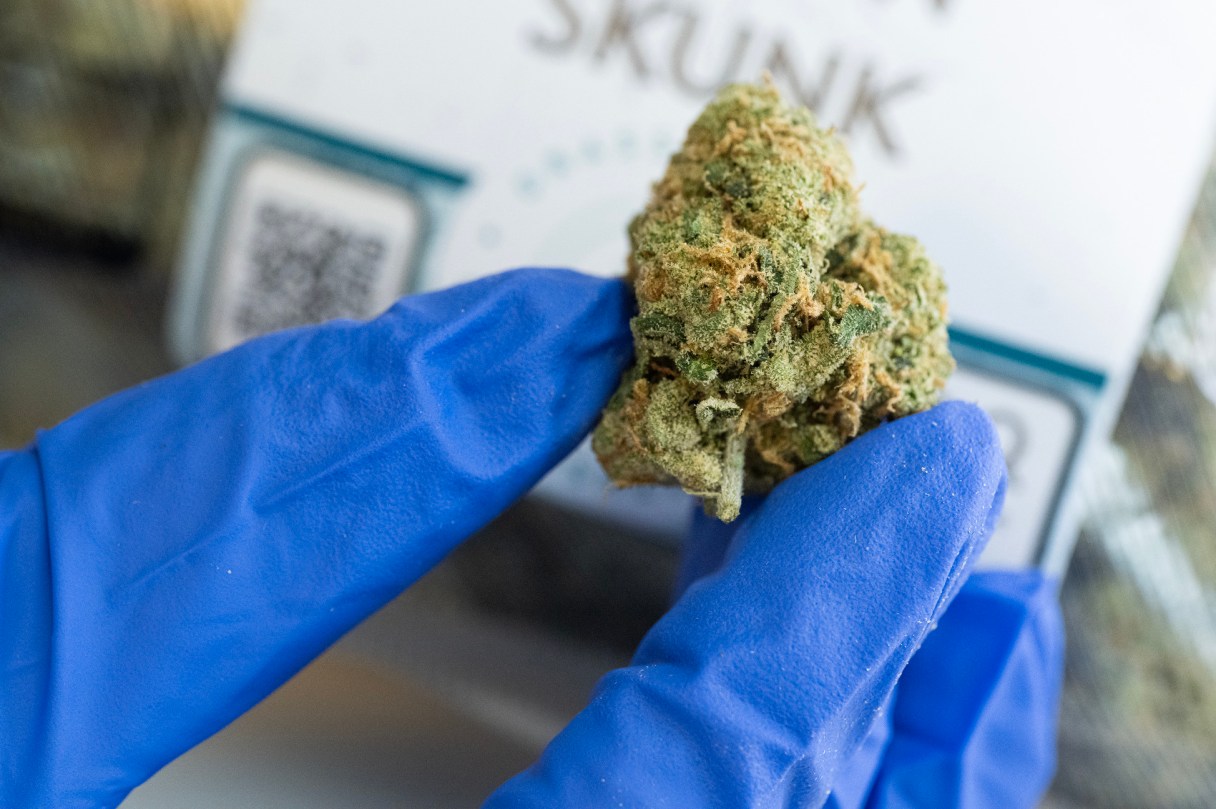
With the highest concentration of hemp shops per capita of any Tennessee city, Chattanooga is home to a variety of businesses bracing for a new state law that will ban some of the most popular forms of hemp.
“Legislators didn’t listen to the needs of the industry and community and decided to pass legislation that would eventually close the doors on the hemp industry in Tennessee,” said Chris Sumrell, who grows hemp and owns the hemp store FarmToMed in Chattanooga. “I don’t see any future for FarmToMed in the hemp industry in Tennessee under this legislation.”
The hemp business has grown in Tennessee and Chattanooga since 2018, when the U.S. Congress passed a farm bill legalizing some hemp-derived products.
(READ MORE: How is hemp regulated in Tennessee, and could that be changing?)
Now, a state law passed in 2025 and taking effect July 1 will make some of the most popular hemp-derived cannabis products illegal to sell.
The law limits the total amount of THC in hemp products, including THCa, to far lower levels than those present in most of the products sold in Tennessee. Popular products that will become illegal overnight include smokable flower and vapes containing a certain level THCa, a cannabinoid that, when heated, becomes delta-9 THC and produces a high.
(SIGN UP: Get Chattanooga area politics news weekly in your inbox at timesfreepress.com/politics)
RUNNING OUT OF OPTIONS
Sumrell grows all the hemp products in Soddy-Daisy that he sells at FarmToMed on the North Shore. He said the business is a seed-to-sale operation, and none of the FarmToMed products as they are now can be sold once the new law takes effect.
An additional hurdle for Sumrell as a grower is federal legislation passed by the U.S. Congress last year, set to take effect in November. The new THCa limitation put in place by the federal law largely mirrors the new limit in Tennessee, but it will also change federal growing licenses.
Sumrell has had a federal permit since 2015 to grow hemp, but he won’t be able to sell what he grows in Tennessee after July 1.
He said unless Tennessee implements a medical grow program like the one in Georgia, the federal changes could also make it impossible for him to grow after November. The Tennessee General Assembly has deferred consideration of a medical grow program.
(READ MORE: Senate funding bill imperils Chattanooga’s hemp industry)
After the federal changes last year limiting THCa, neighboring states like Georgia have expanded their medical hemp grow programs, which allow legal hemp growers in the state.
Sumrell said the changes will have economic impacts both statewide and locally. He employs 15 people and rents from local landlords.
“I got one employee that’s just got married. I got another one that just had a baby, and I could have to tell them in four weeks that you don’t have a job anymore. You know, it’s just, it’s horrible, absolutely horrible,” Sumrell said by phone. “I wouldn’t wish it on anybody, you know, when we’ve done everything right, we’ve done everything 100% right by the law.”
The Tennessee law passed largely on partisan lines, with most Republicans voting for it. Lawmakers said it closed a loophole that had given Tennesseans access to strong intoxicating products even though marijuana isn’t legal in the state. Hamilton County Sen. Todd Gardenhire, R-Chattanooga, was a cosponsor of the new law.
Chattanooga businesses grapple with new hemp limits to take effect July 1 gallery
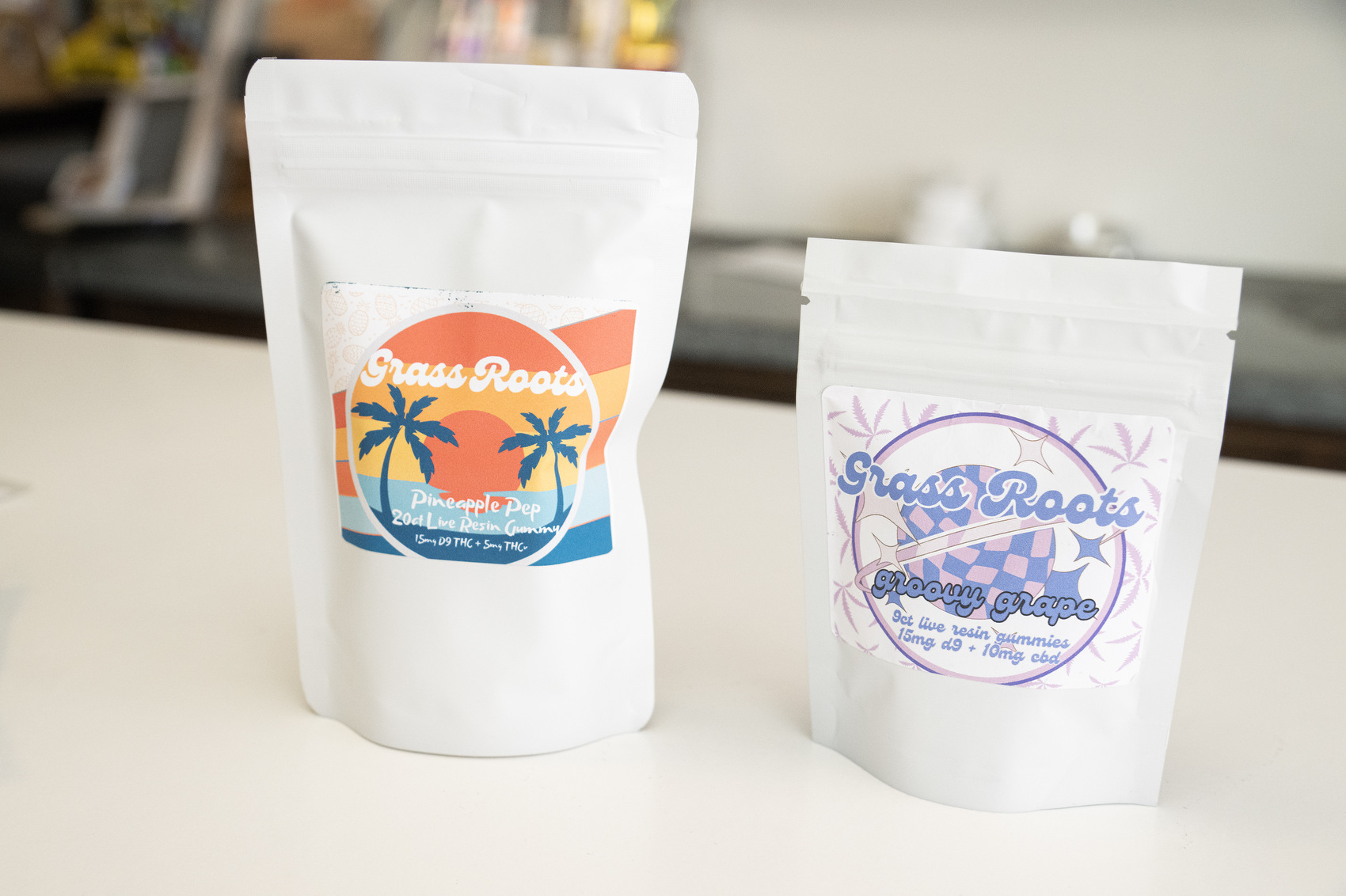

Laws passed in 2023 to regulate retail hemp sales didn’t include limits on total THC, including THCa.
Hemp sales tax generated over $12 million in Tennessee in fiscal 2023, according to the bill. The fiscal note for the bill estimates that 30% of hemp sales are THCa, much of which will no longer be legal. Industry organizations like the Tennessee Growers Coalition have estimated that THCa makes up closer to 75% of hemp sales in the state, the Tennessee Lookout reported.
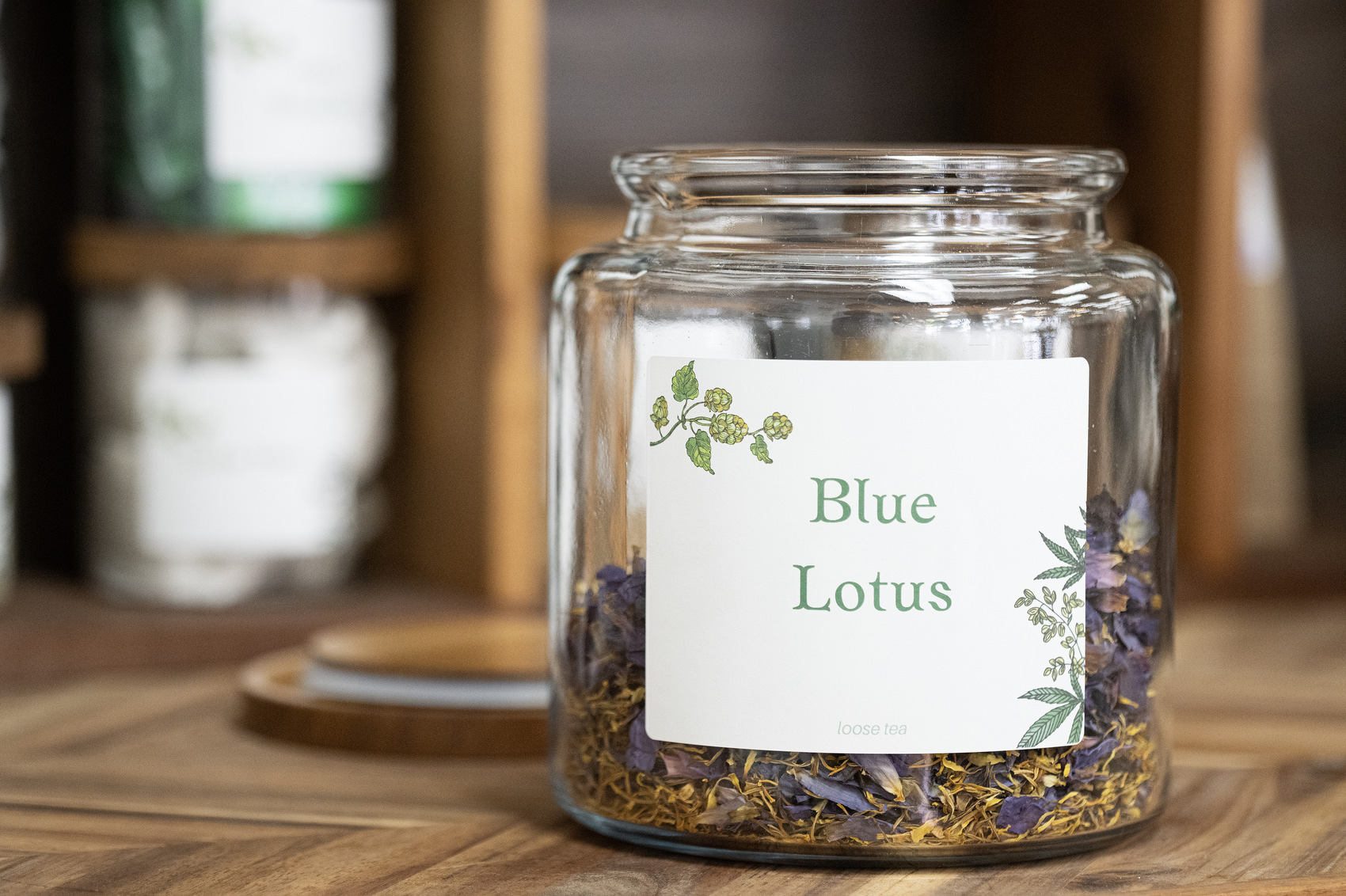
While FarmToMed grapples with the possibility of being forced to close due to the new regulation, another Chattanooga hemp business, Grass Roots, is looking to sell other products like absorbable flower called Blue Lotus in place of the soon-to-be-illegal THCa products, which make up 90% of the business’ sales, owner Elisha Millan said.
THC vs. THCa
Two terms to know when it comes to hemp:
THC : Delta-9-tetrahydrocannabinol, the main psychoactive ingredient in the cannabis plant. It’s what makes you feel “high” when you smoke marijuana or eat an edible.
THCa: Tetrahydrocannabinolic acid is a nonpsychoactive cannabinoid found in raw cannabis. In its natural state, it does not produce intoxicating effects. However, when exposed to heat — a process known as decarboxylation — THCa converts into THC.
Sources: WebMD, Recovered.org
Millan, who opened up Grass Roots in 2017, said the rules have gone back and forth over the years, but this is the first time she has felt concerned about what she is able to offer and how much it will impact the community at large.
“I personally am not a smoker; however, I do not discount the need of many in our community, particularly veterans, to have instant access to cannabis, and that its effects that really can only be achieved by smoking,” Millan said by phone. “I personally worry the most about my customers and what they will have access to after July 1.”
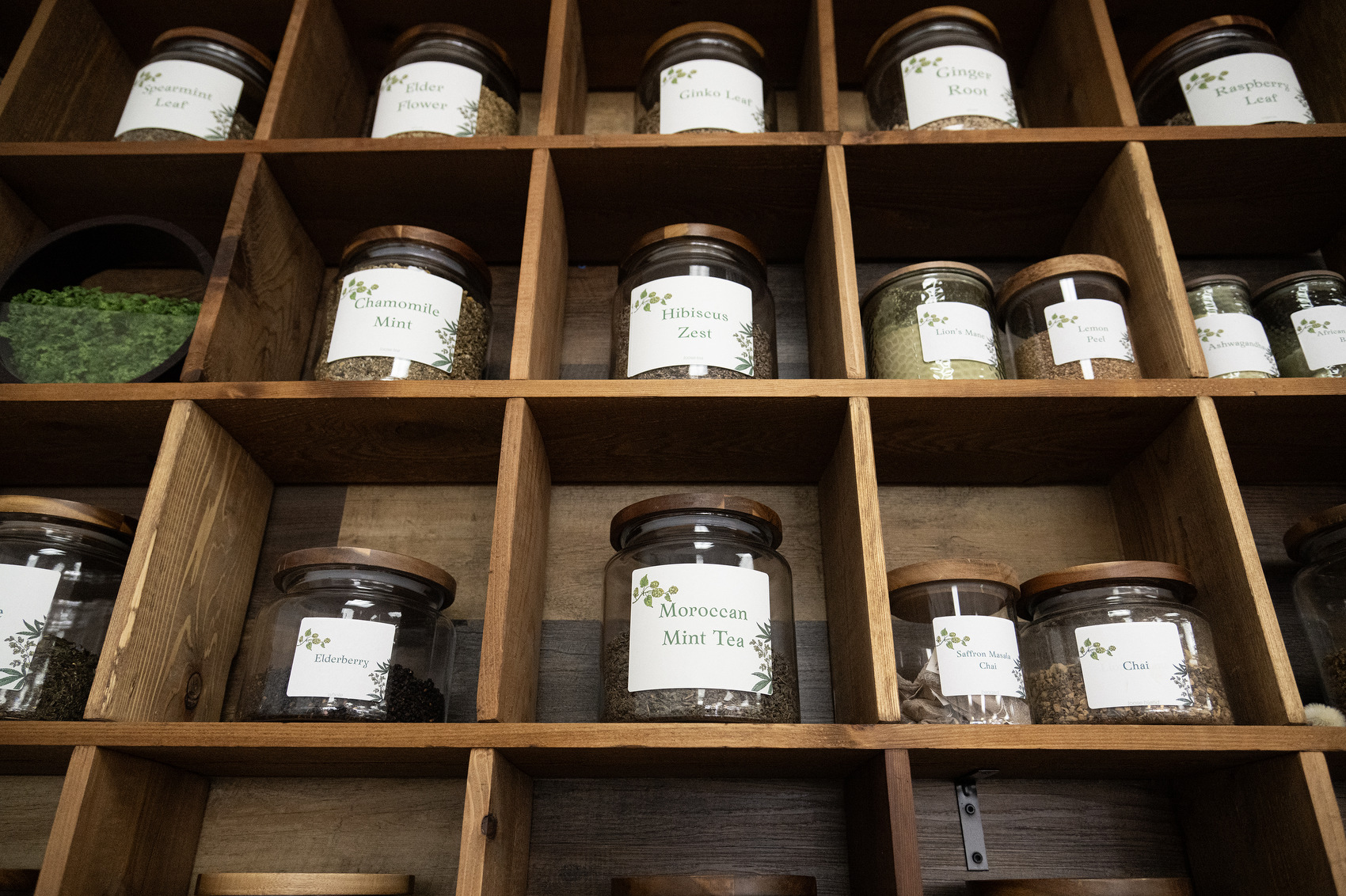
Millan said she is working hard to make sure there are as many other products as possible to choose from to continue to support the community. Her business is focused on pivoting to alternative herbs that are smokable and can give a relaxing feeling, and working to build customers’ herbal knowledge.
Catnip and Blue Lotus, also called Egyptian Water Lily, and mushrooms are some alternatives, Millan said Grass Roots are selling.
Other hemp sellers in Chattanooga are also expanding their offerings in response to the law, she said
“It’s interesting to see the ingenuity that the other stores are applying to their inventory to remain in business, and now is a time when a lot of businesses are struggling and shutting down, especially in our restaurant scene here in town,” Millan said by phone. “I really don’t understand why we’re taking products off the market, but here we are.”
DRINKS AND GUMMIES
A third local hemp producer and business, Snap Dragon, sells THC products that will largely continue to be legal after July 1.
Snapdragon mostly distributes and sells THC-infused drinks and gummies, which will be largely unaffected by the new ban, although Josh Manning, the business owner, said he has had to spend tens of thousands of dollars on new licensing requirements and is experiencing delays for necessary product approvals needed in order to sell July 1.
(SIGN UP: Get Chattanooga area politics news weekly in your inbox at timesfreepress.com/politics)
Products like drinks and gummies are far less impacted by the new law because the limits are set by weight.
Under the new law, the total amount of THC, including THCa, cannot exceed .3% of the total weight of a product. The total weight of infused drinks and gummies is far more than vape fluid and flower, which are more concentrated, allowing manufacturers to make a few adjustments, if necessary, on the amount of THC in drinkable and gummy products and still adhere to the new legal limits.
“The industry is here, and it’s a THC industry in the state of Tennessee. It’s just that they don’t want it to look like somebody’s smoking a joint, so the flower, the pre-rolls, the blunts, those are what’s been their focus,” Manning said by phone. “But they’ve been really lax … on all the other things, the edibles, the chocolate bars, the drinks, the gummies.”
In 2025, Manning, in partnership with another local hemp brand, Hemp Rolls, purchased a facility from local brewer Hutton & Smith on Riverside Drive to use as a THC drink production site.
(READ MORE: New joint venture bets on cannabis drinks at old Hutton & Smith brewery)
Although the actual drinkable and gummy THC products won’t change, the law does implement new serving and packaging requirements. The total milligrams a bag of gummies or a drink can contain is lower.
Manning said changing all the packaging has been a big transition and a lot of expense.
The new law also moves the state regulator of hemp from the Tennessee Department of Agriculture to the Tennessee Alcoholic Beverage Commission. The change requires new licenses and application and approval of products, Manning said.
The cost of the new licenses and the application fees have increased. Manning, who has yet to hear back about a license application he submitted over a month ago, said he has spent over $30,000 on fees.
Each individual product needs to be reapproved by the state, and none of Manning’s products have the required approval. Manning can’t get the individual product approval without his new license. With only weeks to go before the law takes effect, the state has only given 10 THC products the approval to be sold after July 1.
People who purchase THC gummies and drinks after July are likely to see prices increase, Manning said. The new law changes the way the products are taxed, and Manning said it’s likely the cost will be passed down to customers.
Hemp products were previously taxed 6% at checkout in addition to regular sales tax. Now suppliers have to pay a 2-cent tax per milligram of THC. Manning said the price of the products will likely go up by around 30%. He said that a $20 bag of gummies might now be $26.
The new law will also impact restaurants and bars that carry THC drinks.
Manning said at least 25 different bars and restaurants around Chattanooga sell his drinks, and there are around 100 bars and restaurants in Hamilton County licensed to sell THC drinks in Hamilton County through the Department of Agriculture.
All bars and restaurants need to get new licenses from the Tennessee Alcoholic Beverage Commission. The cost of those licenses has also increased, Manning said.
TailGate Brewery in Chattanooga will no longer be selling THC drinks after July 1, Riley Davis-McDougal, the restaurant’s assistant manager, said by phone.
THC drinks don’t make up a huge portion of sales, Davis-McDougal said.
“It’s not the biggest draw for us. Obviously, being a brewery, the beers come first, but like I said, it does open up like more of an invitation for people to come in who aren’t necessarily beer people,” Davis-McDougal said. “If they are looking for that kind of product, it still exists, but it’s just going to be not harder to find. It’s, you know, it’s going to be something that they won’t be able to participate in here.”
–––
Contact politics reporter Ruby Rayner at rrayner@timesfreepress.com or 423-757-6556.