
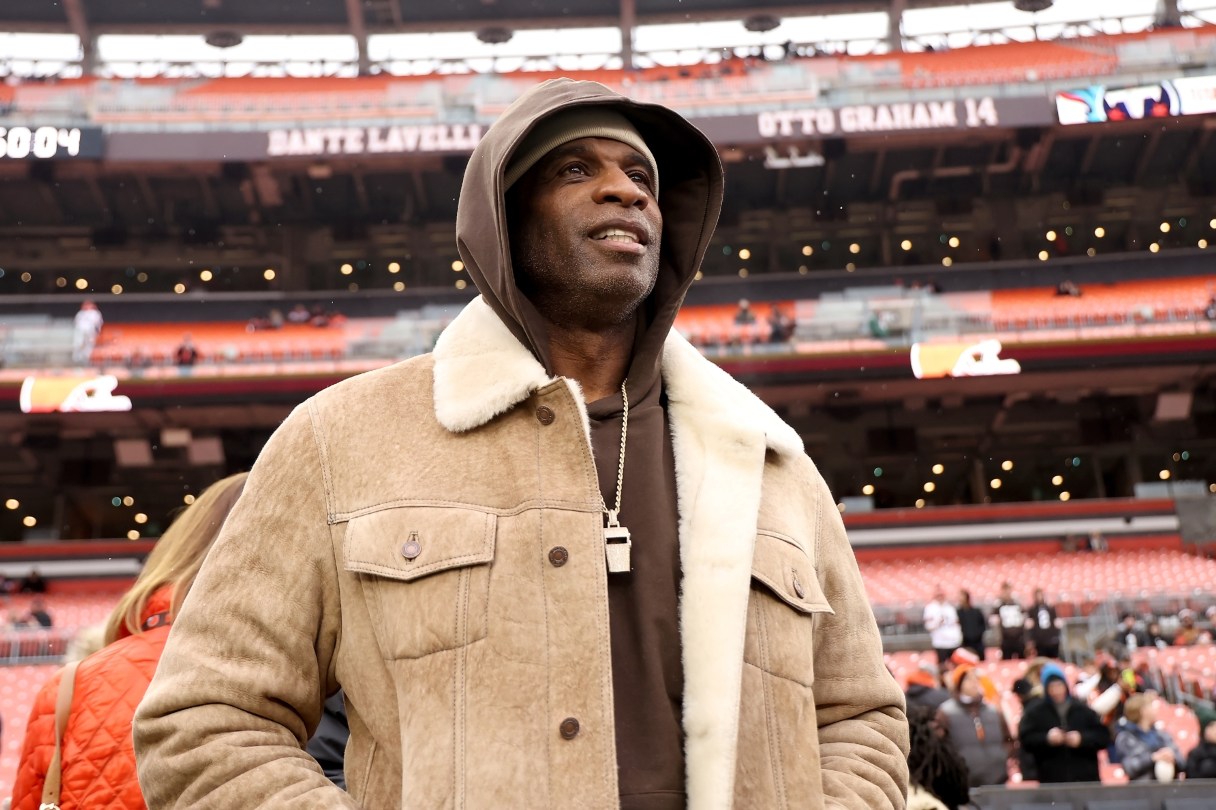
DENVER (AP) — Nobody has lived on the edge of the risk-reward nature of sports more than Deion Sanders over the years.
One place the Colorado coach won’t go — gambling on the college game, the likes of which has generated a scandal inside the very conference his team resides. Wagering has jumped to the forefront of college football as Texas Tech quarterback Brendan Sorsby won a court order early last week that restored his eligibility and set aside a ban by the NCAA for betting on pro and college sports. Colorado plays Big 12 rival Texas Tech on Oct. 3 as part of homecoming festivities.
“Somebody’s gambling on a sport they’re playing? You don’t think something’s wrong with that?” Sanders said in a recent interview with The Associated Press and before the latest court ruling with Sorsby. “Just say that to yourself: This guy on my team is gambling on the sport, in the competition, that we’re about to go out there and have. Something’s wrong that.”
Sanders has plenty of thoughts on refining the game in this day and age of the volatile transfer portal and lucrative name, image and likeness deals. His takes include a salary cap in an effort to even the NIL playing field, hiring a retired coach as commissioner (a Nick Saban type ), instituting some sort of an age limit, expand the College Football Playoff to 24 teams and, of course, a hard pass when it comes to betting (he’s talked to his squad about this topic).
“The game is still the game,” Sanders said. “The game is just positioned differently. Money’s involved, and any time money’s involved people tend to migrate to what they think they can get out of it, instead of what they could put into it — and that’s unfortunate.”