
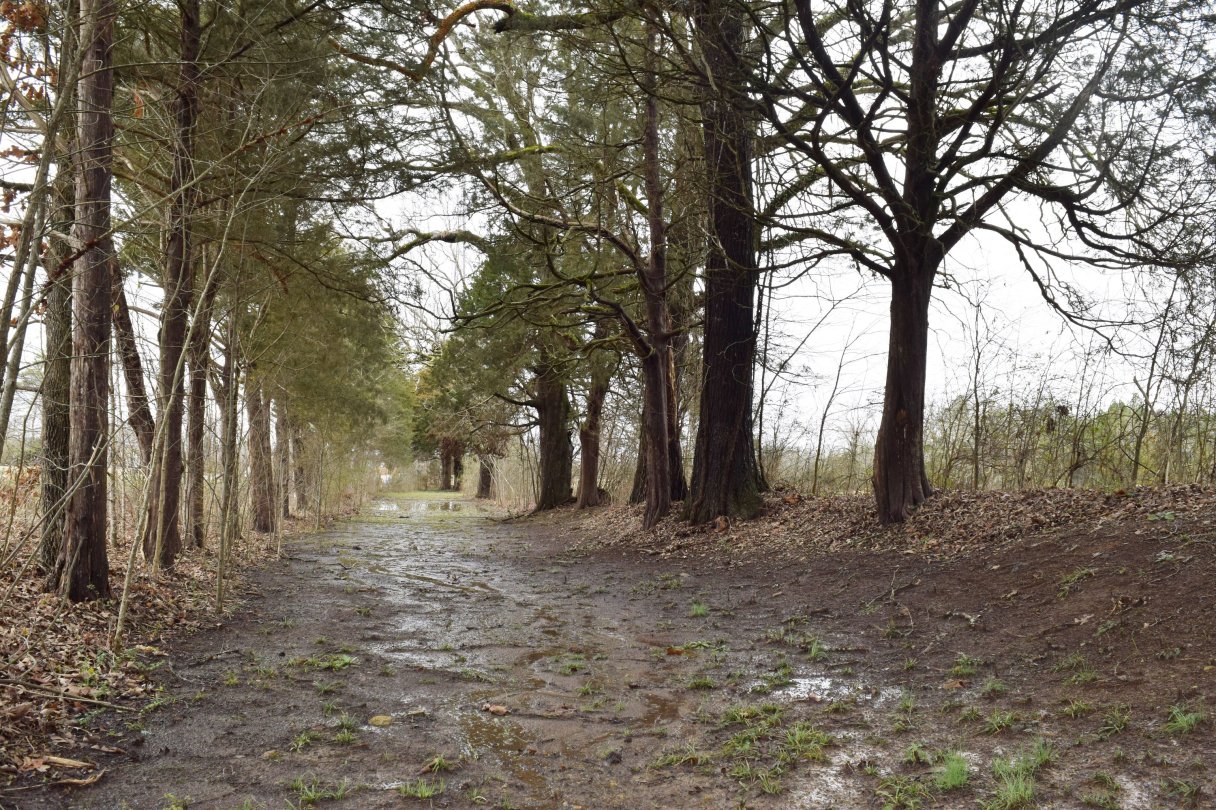

The removal of indigenous people between 1830 and 1850 marked a pivotal time in U.S. history, when America’s native people became pawns in a power struggle for land, rivers and resources.
The forced march west — in Cherokee called “Nunna-da-ul-tsun-yi,” meaning “the place where they cried” — became known as the Trail of Tears.
During those 20 years, more than 100,000 Native Americans were forcibly removed from what is now the eastern United States to territory west of the Mississippi, destined to become Oklahoma, according to the National Park Service history of the Trail of Tears. Tribes included the Cherokee, Choctaw, Chickasaw, Muscogee (Creek) and Seminole tribes. Often forced at gunpoint, many were transported in chains.
The Chattanooga region is crisscrossed with remnants of the Trail of Tears, according to the National Trail of Tears Association. Following the signing of the Treaty of New Echota in 1835, the Cherokee people in today’s Southeast Tennessee, Western North Carolina and North Georgia were rounded up and initially held in one of 31 forts built for the removal.
By late July 1838, virtually all other Cherokees remaining in the East were held in the internment camps, many of them scattered across the northern half of present-day Bradley County, near the Hiwasse River.