
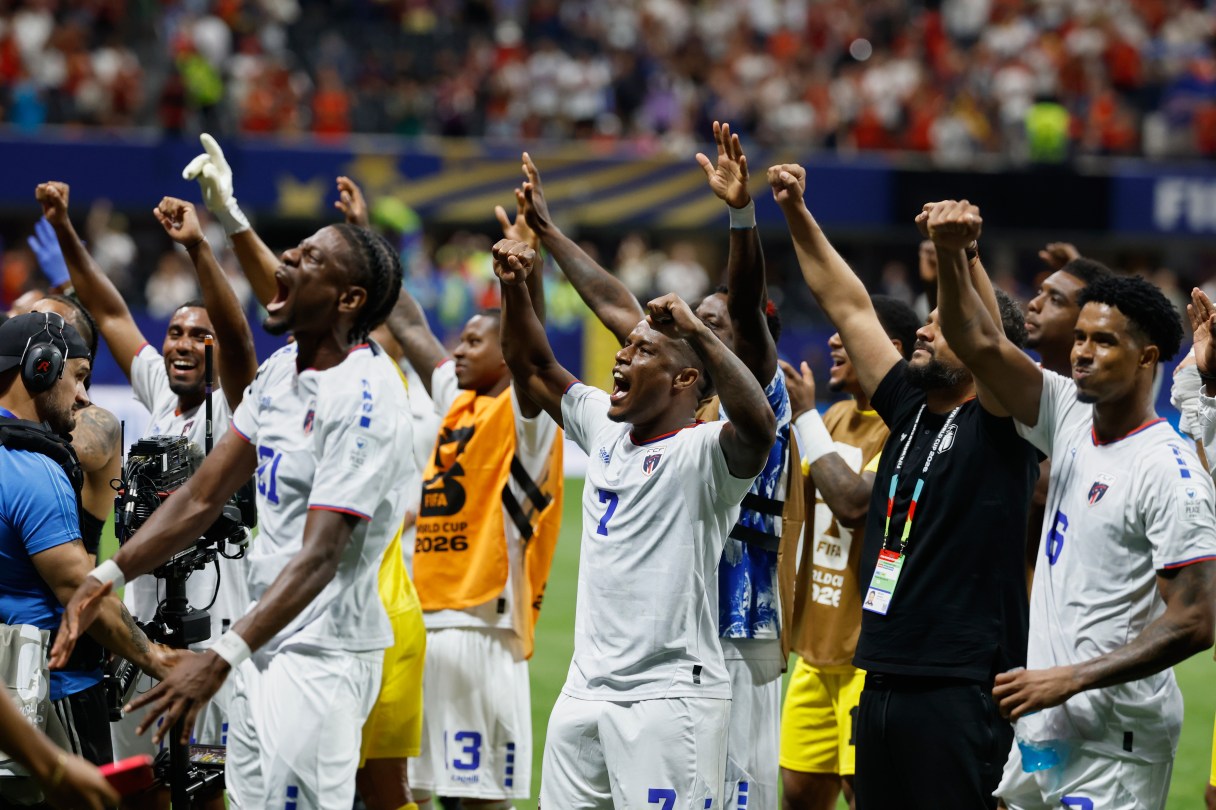
GUADALAJARA, Mexico — Not long after FIFA announced the World Cup would expand from 32 to 48 teams for the 2026 tournament, criticism began to pour in about how the quality of the event would likely be worsened.
The critics argued that by allowing smaller teams to the expanded field, the number of weak matchups would increase, as would the chances of lopsided results.
But as the biggest World Cup ever progresses in matches across Canada, Mexico and the United States, those fears have not fully materialized.
Through the first 24 games, the goal differential was unchanged compared to the tournament in Qatar in 2022, suggesting the larger field did not create more one-sided competition.
Germany did rout newcomer Curacao 7-1, Qatar was trounced 6-0 by Canada, and Haiti was eliminated after two matches, but some of the less regarded teams were able to hold their ground early on.