
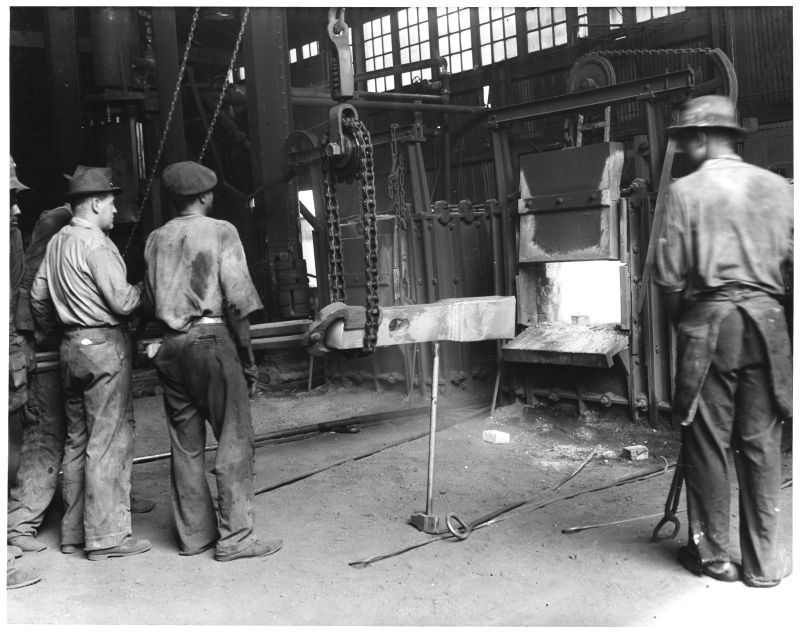
Nearly a century before Glenn Miller made Chattanooga famous with his World War II classic hit song “Chattanooga Choo Choo,” rail traffic was shaping Southeast Tennessee.
Chattanooga was incorporated in 1839 on the banks of the Tennessee River as a hub for river transportation, and the city emerged as a railroad center a decade later with the arrival of the Western and Atlantic Railroad in 1849. The railroad was owned by the state of Georgia, which sought permission from the Tennessee state legislature to extend its rail line into the Volunteer State and eventually Ross’s Landing as a port on the Tennessee River.
The northern connection for the Georgia railroad was soon joined by other rail lines in Chattanooga, including the first passenger train leaving Cincinnati for Chattanooga in 1880, nicknamed the Chattanooga Choo-Choo.
“No other city in the Southeast has based its economy and means of transportation so heavily on railroads as Chattanooga,” said Justin W. Strickland, a Chattanooga author who spent over 10 years working in the tourist, railroad and hospitality industries.
David Steinberg, a rabbi and railroad enthusiast who authored two books and several manuscripts about Chattanooga’s railroad heritage, said the growth of Chattanooga is a direct result of the railroads.