
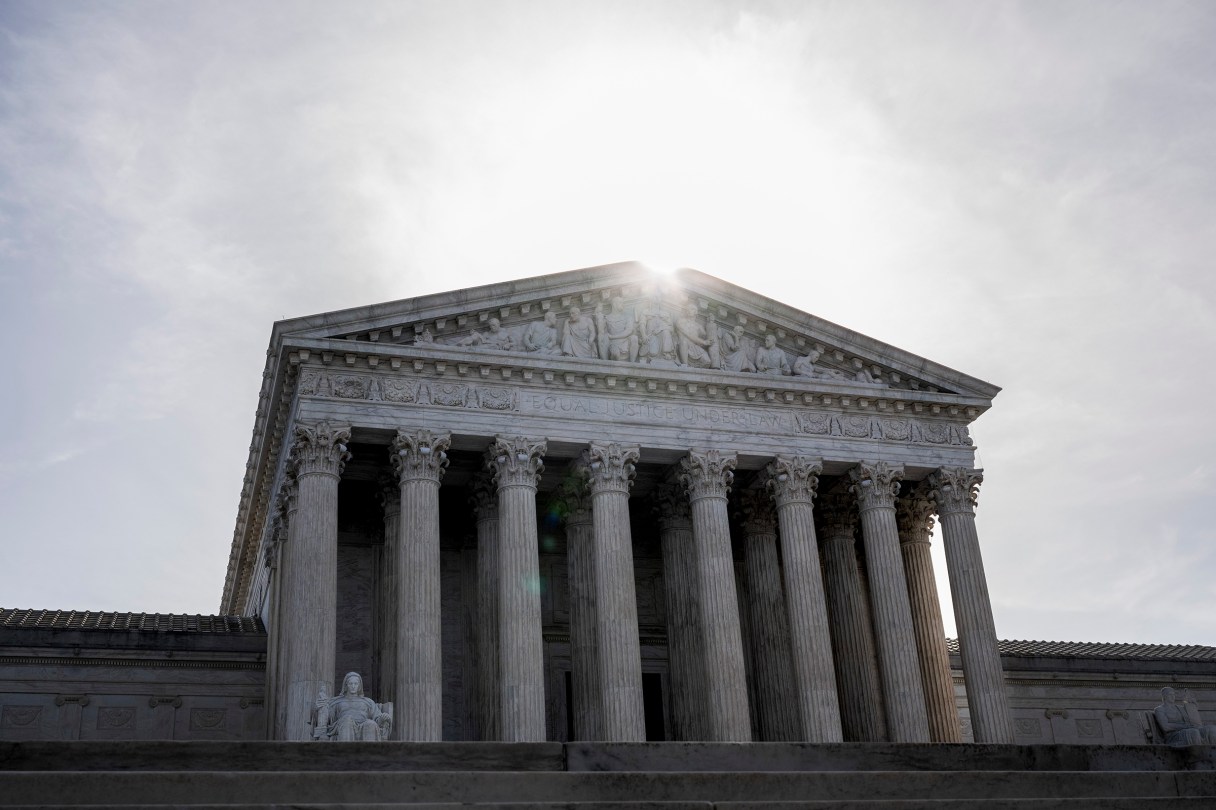
The justices of the U.S. Supreme Court last week let President Donald Trump put another nail in the coffin of America’s humanitarian asylum program and allowed him to end Temporary Protected Status for some 350,000 Haitians and 6,000 Syrians in the country, who could now be sent back to life-threatening conditions abroad.
The TPS decision has been framed as the court signing off on the termination of status for these groups, but it also has broader implications for the future of TPS and Trump’s ability to terminate it on a whim.
While the court did consider (and rejected) the constitutional claim that the administration was engaging in discrimination against Haitians — which the president has been quite guilty of — it also ruled that federal courts cannot even review TPS decisions outside of constitutional arguments. For his part, Justice Clarence Thomas ridiculously, and predictably, went further and suggested that the courts shouldn’t even be able to evaluate constitutional arguments.
This came after multiple judges had ruled, during Trump’s first and current terms, that the administration’s TPS terminations had violated the Administrative Procedure Act and Homeland Security’s own standard policies with the aim of reaching a conclusion first and then backfilling a rationale.
As the plaintiffs pointed out, preventing the courts from stepping in to examine the process at all could theoretically mean DHS could decide on a coin flip and no one could sue over it.