
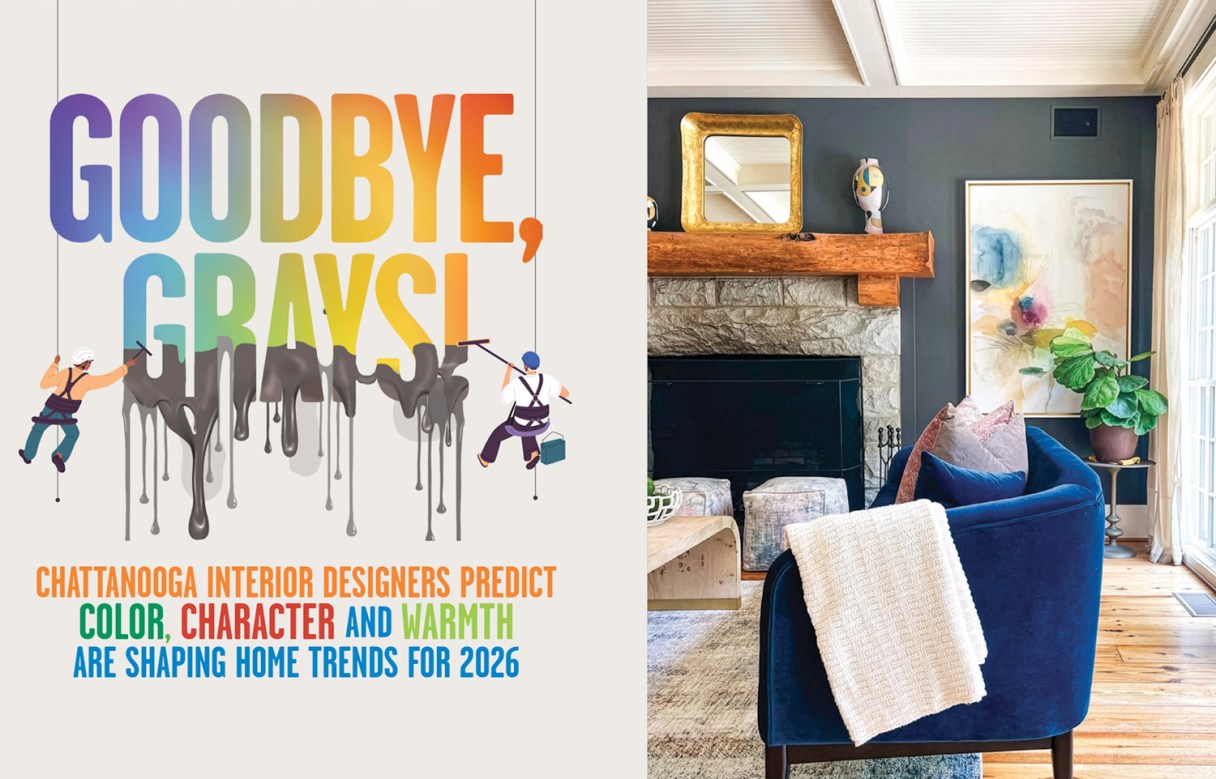
To hear Michael Turner tell it, the Great Recession of the late 2000s affected not only investors’ portfolios, but their home décor as well.
“When we went through (the Great Recession), color basically went away,” said Turner, owner of the Huck & Peck furniture store on Chattanooga’s Southside. “Things went pale. People were depressed, and everything was white and gray.”
By the same token, evidence of a “couple of great years in the stock market” can also be seen in home decorating. After nearly a decade of no-fuss, practical whites and grays, homeowners are moving toward warmer, more expressive palettes.
“Color’s been coming back,” he said. “Lots of Earth tones and browns the last five years or so. … Gray’s gone. Can’t give it away. A gray house with gray furniture’s going to be hard to sell. It was super hot for a while, but now ….”
Here’s more of what Turner and some of his Chattanooga-area colleagues have to say about home-design trends for the year ahead.
K.P. Interiors
Kathie Penland, owner/principal designer; Kyle Ferrin, senior designer
K.P. Interiors
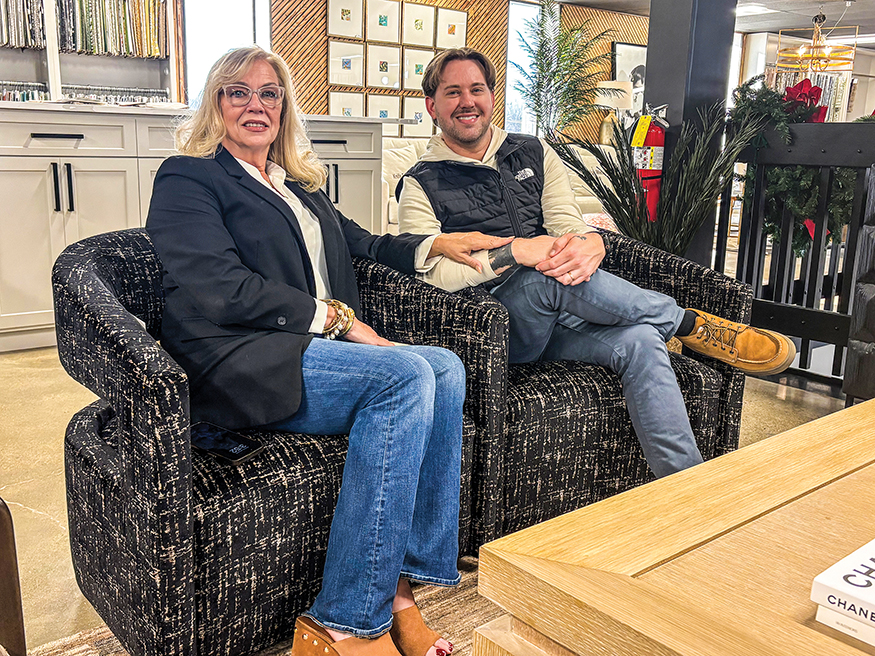
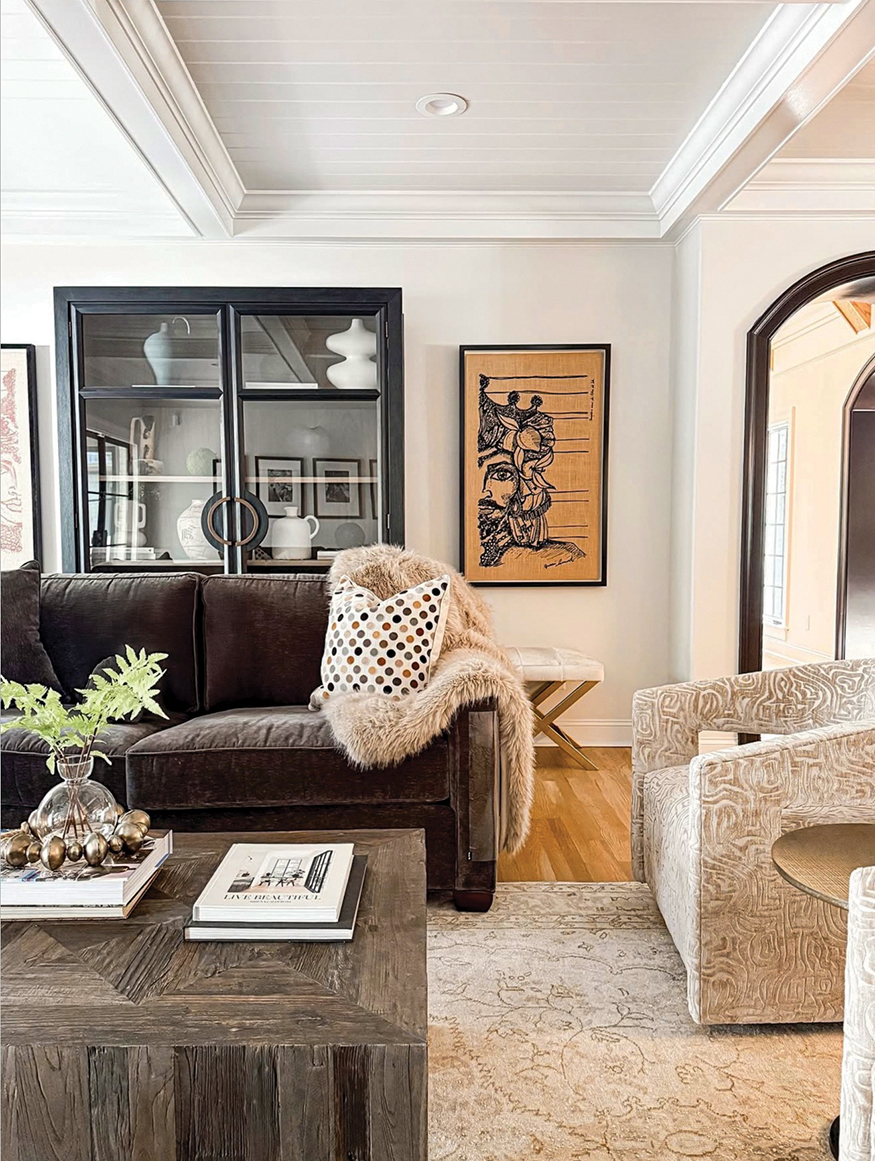
Toward Warmth: As we move into 2026, interior design is shifting toward spaces that feel deeply personal and intentionally collected. There’s a clear move away from overly polished, trend-driven rooms and toward warmth – rich materials, organic textures and pieces that tell a story. Warm, grounded color palettes are replacing stark whites, while tactile finishes like limewash, plaster and natural stone add depth and dimension.
Perfection vs. Craftsmanship: Focus is shifting away from perfection towards craftsmanship and materials that evolve beautifully over time, creating homes that feel soulful, enduring and truly lived in.
McLain Collins Interiors
Lori McLain Collins, owner
Lori McLain Collins
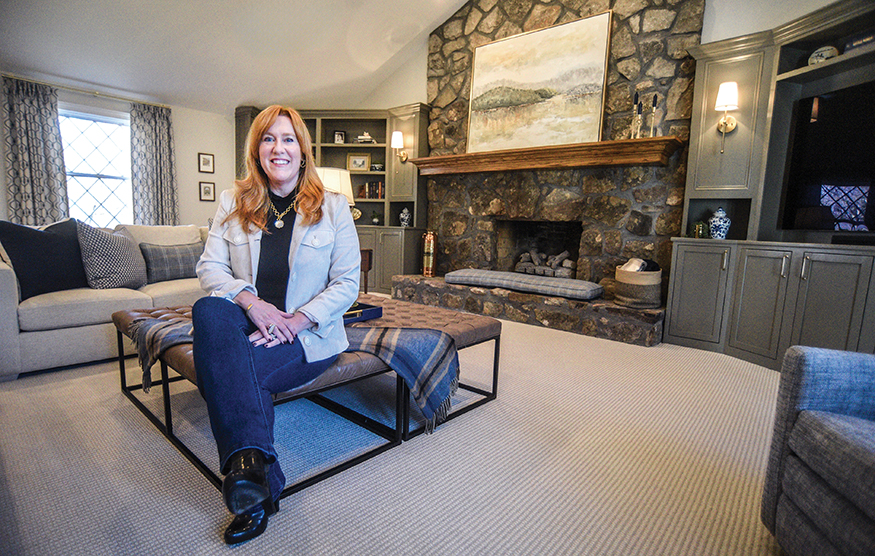
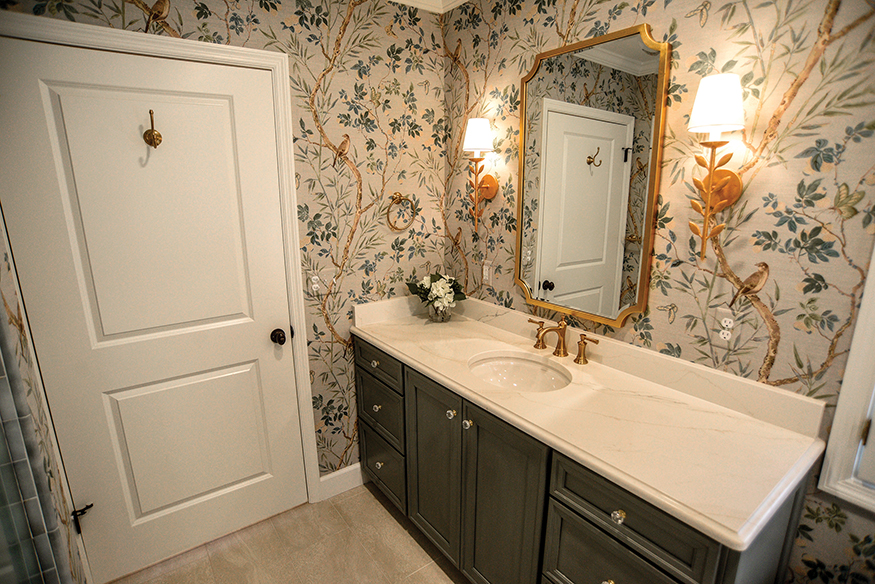
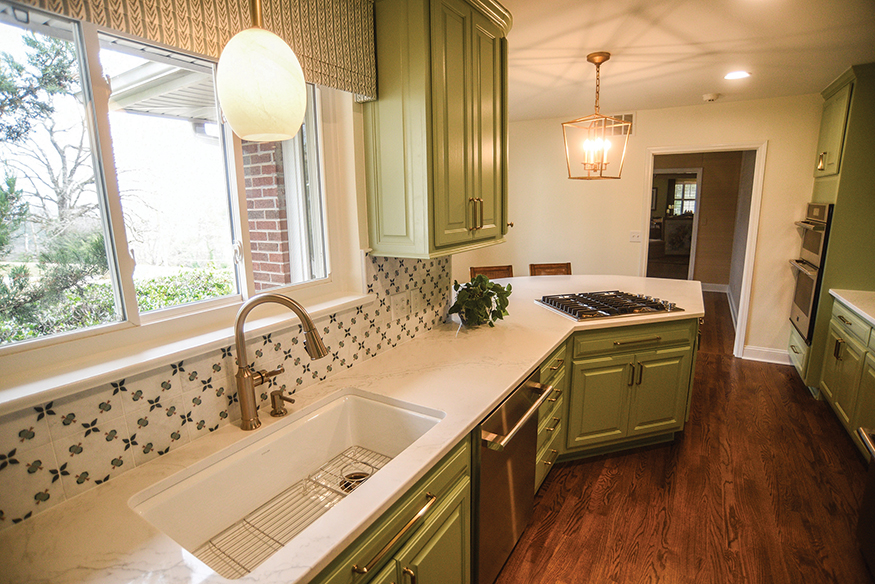
Texture, Patterns and Wallpaper are back: Expect to see a return of rich texture and pattern, particularly through wallpaper. This movement ties to the return of color, allowing rooms to feel layered, expressive and full of personality — not flat or overly minimal.
Wallpaper is no longer just an accent — it’s becoming a defining element that brings depth, warmth and character. Paired with tactile materials like natural woods, woven textiles and handcrafted finishes, the result feels both nostalgic and fresh. It’s a blend of classic details and modern sensibility, creating homes that feel collected, intentional and truly lived in.
‘Confident’ Color: After years of predominantly neutral interiors, color is confidently making its way back into our homes. Clients feel more comfortable moving from all-beige or gray palettes and embracing color, whether through subtle pops or saturated rooms that feel rich and expressive.
Color is a powerful tool for setting mood and telling a story. Even small moments of color can completely transform a space and make it feel layered and joyful.
Form and Function: Clients are focusing more on how they use their homes. Instead of designing around what’s popular in the moment, there’s a growing emphasis on form and function working together.
Families with young children, empty nesters, and everyone in between have very different needs, and thoughtful design should reflect that. When spaces are tailored to how people live day-to-day, the result is a home that not only looks beautiful but truly works for them.
Huck & Peck
Michael Turner, owner
Huck & Peck Furniture Store
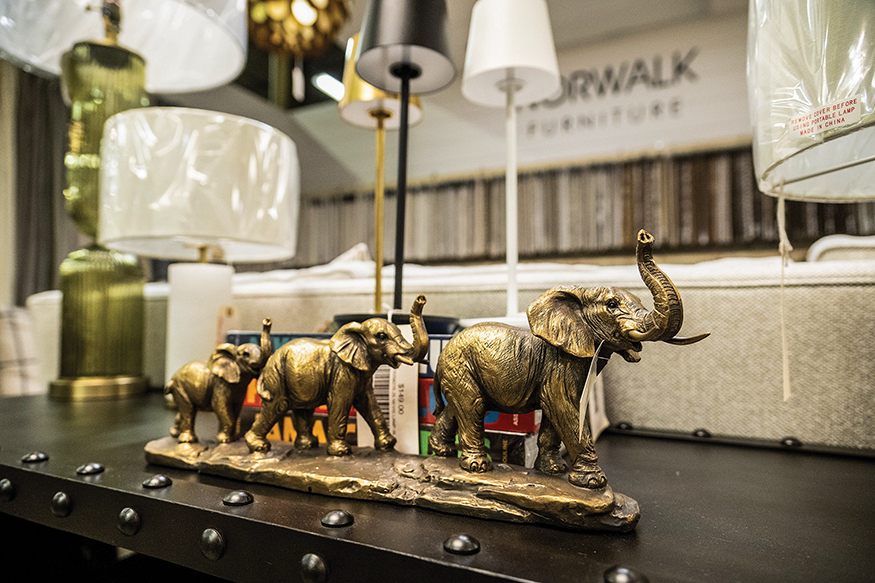
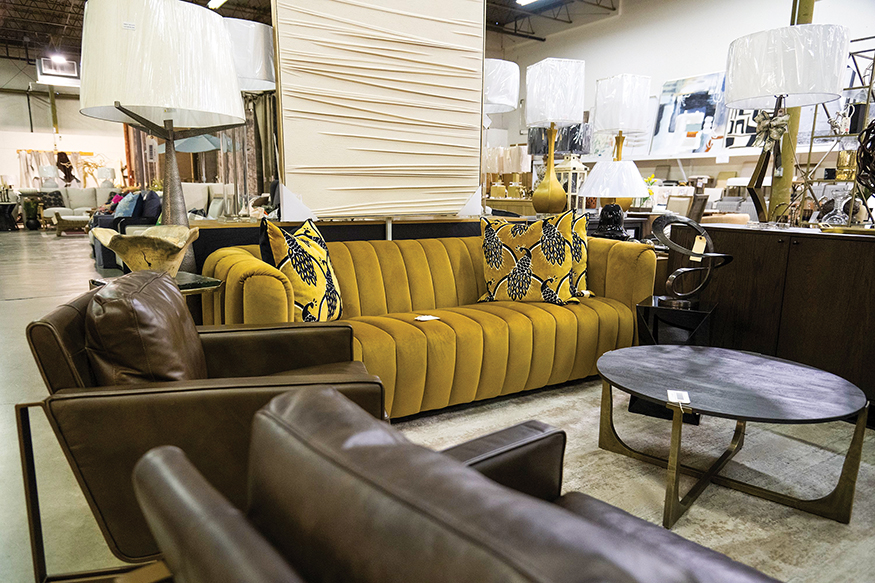
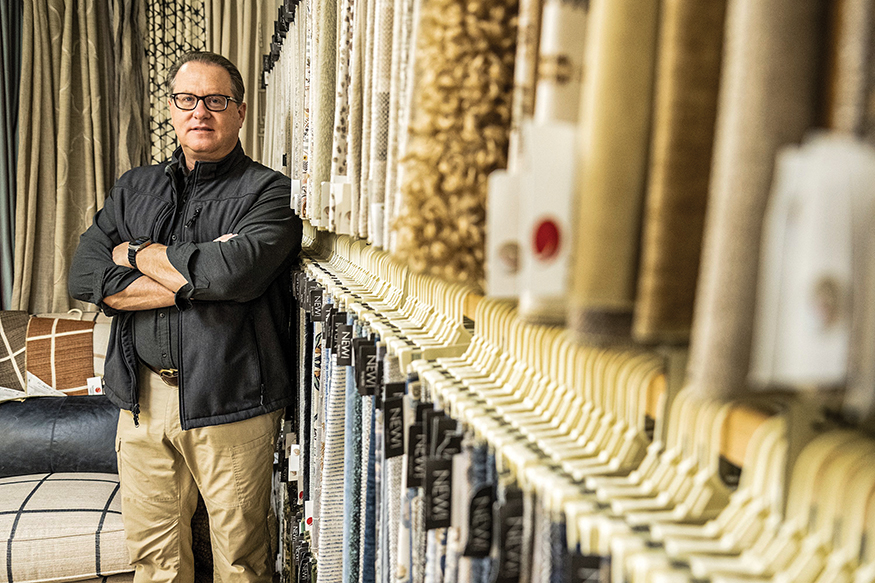
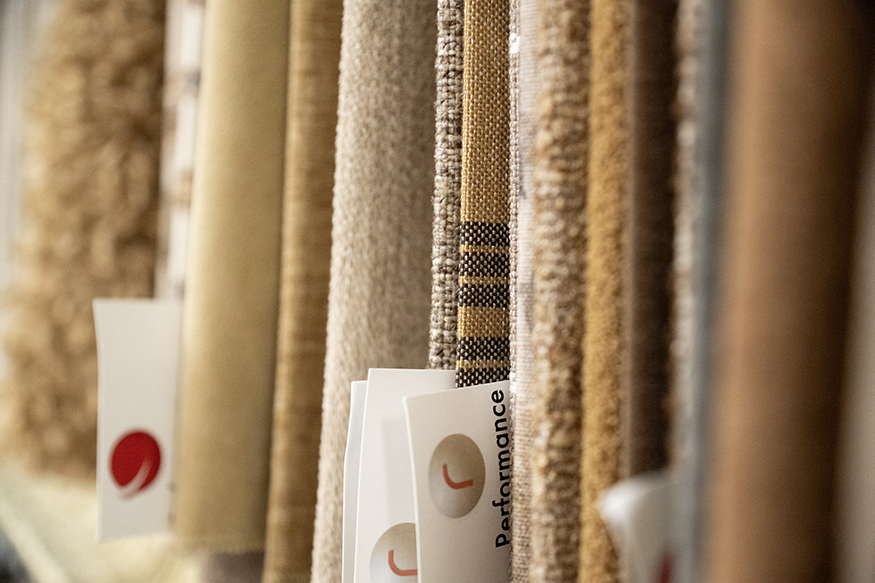
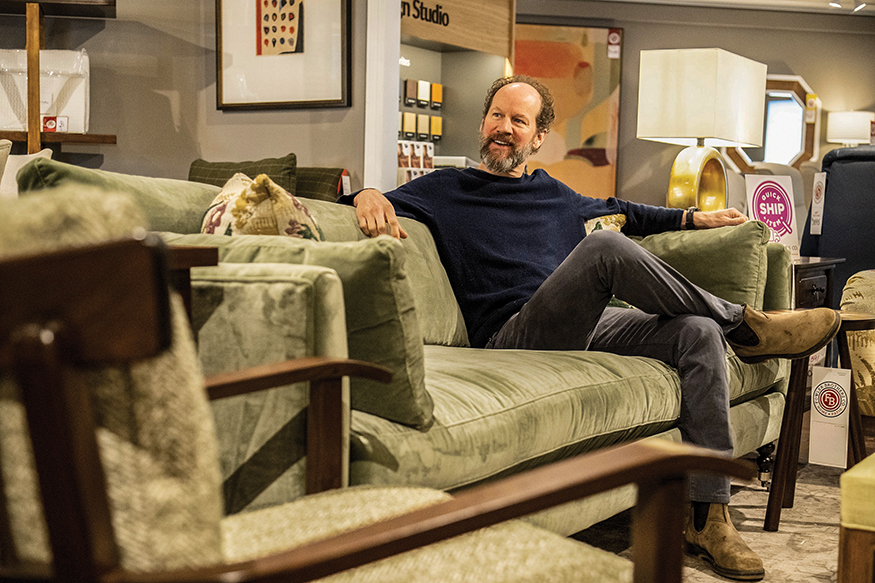
‘Lived-in Authenticity’: Many in the Baby Boomer generation didn’t want their parents’ belongings, but now thier kids want their grandparents’ things. Kids are looking now for cherry this or walnut that, to make a house warmer.
We are headed toward a sense of lived-in authenticity, antiques and personal touches. “Intentional clutter.” That sounds funny, but everything’s been stripped away. People are wanting to see fun and interesting.
Doing away with ‘throwaway culture’: People need to save money — putting needs before wants, so those needs need to be quality and longer-lasting. We’ve had a throwaway culture for a number of years, but people seem to be doing less of that — not to the extent of ballrooms like (President) Trump — not the Rococo age — but we’re going back toward traditional pieces, better quality and less throwaway.
Southerly Abode
Tiffany Anich Mansito, owner
Tiffany Anich Mansito
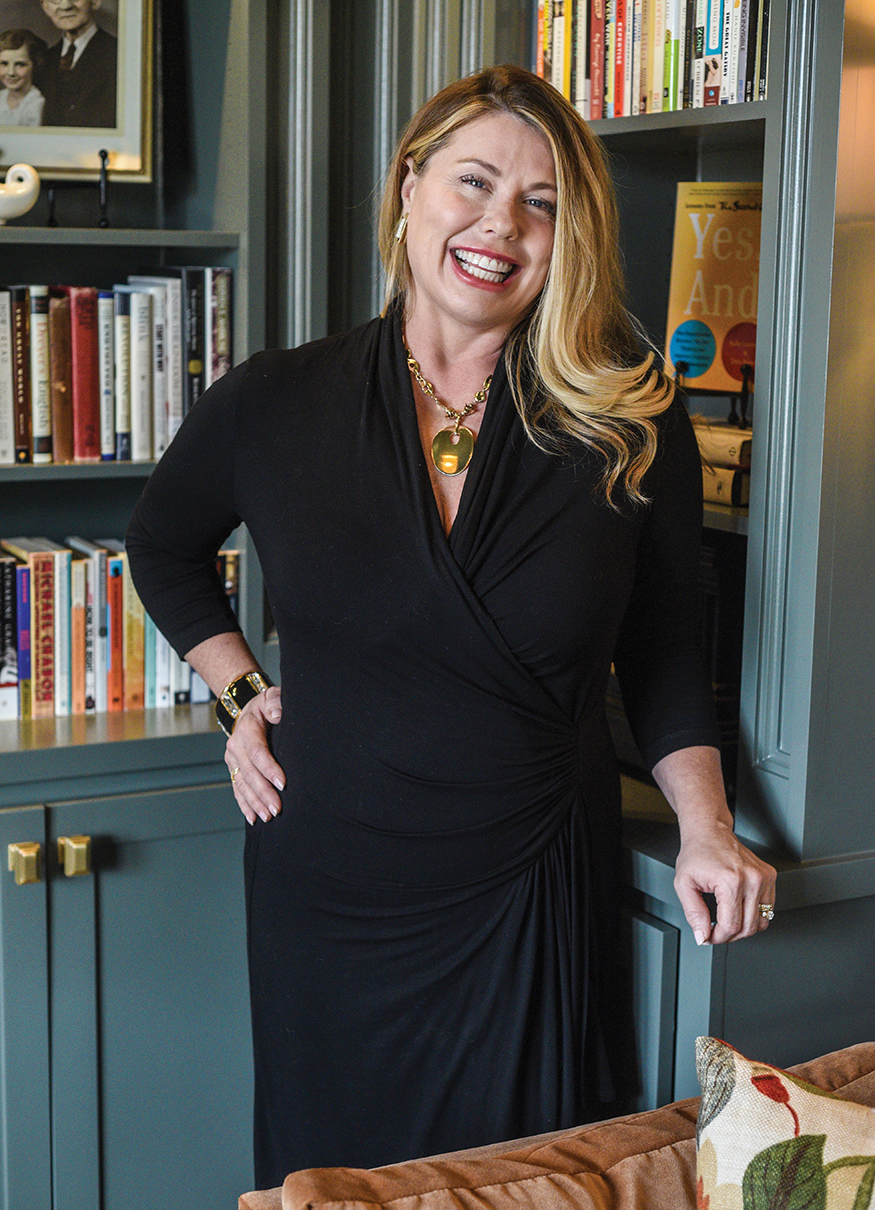
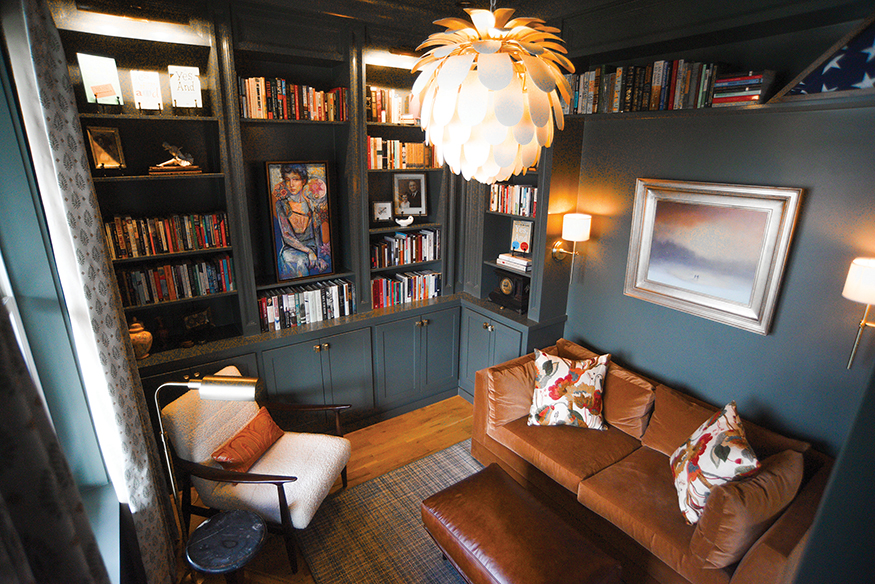
Make Yourself Comfortable: There’s a renewed focus on furniture that invites you to stay. Sofas and chairs are softer, more relaxed and designed for everyday living — proof that comfort and elegance can absolutely coexist.
Pairing Up: Spaces feel most authentic when they’re layered. Pairing clean-lined, modern pieces with vintage or antique elements brings depth and personality, preventing rooms from feeling overly styled or one-note.
Perfectly Imperfect: Wood, stone with soulful veining, plaster and handcrafted finishes are being embraced for their imperfections. These materials add texture and soul, creating homes that feel collected rather than manufactured.
That Lived-In Look: Perhaps the most important shift is toward homes that feel genuine. The most beautiful spaces today aren’t precious — they’re layered, welcoming and designed to support real life.
Fowler Brothers Co. Home and Patio
Carter Fowler, owner
Fowler Brothers Co. Home & Patio
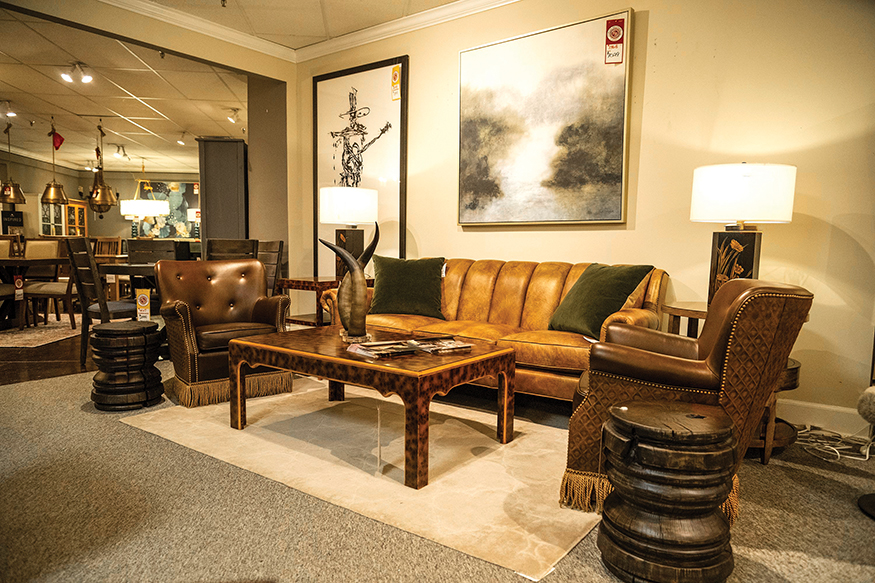
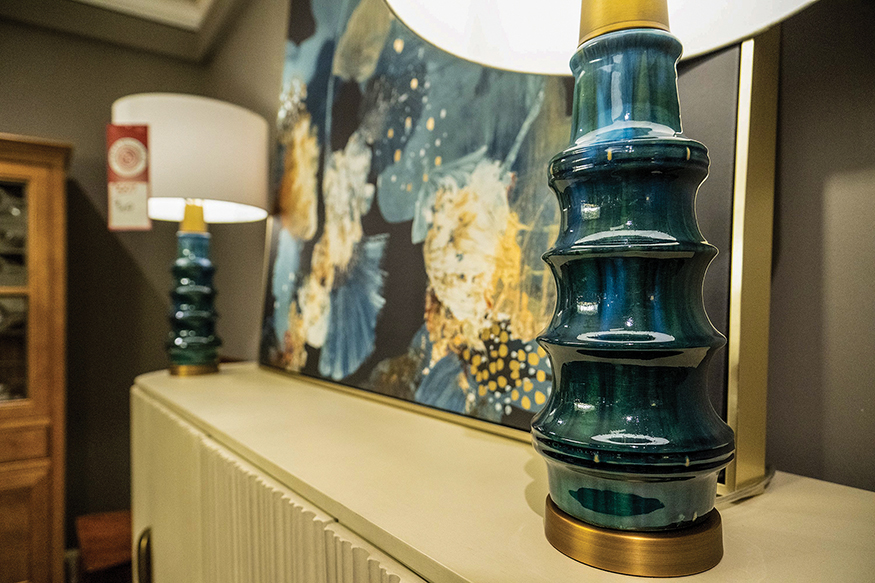
‘A Little More Exciting’: We went through a gray period, the COVID period, that was more utilitarian. Now we’re back in a time where things are a little more exciting — not opulent, but more traditional. Prints, florals, more checks, more stripes, more different materials. People are looking for more excitement in fabrics, wallpaper and accessories — moody colors, darker tones and really fun blues and greens.
Looking at wallpaper in particular, we’re seeing traditional designs coming back, even archival prints. Tones are darker — deep-ocean blue. Greens that lean toward olives. Colors that are fun to play with, but that are still livable. People still love things that are useful and livable and perform — like indoor/outdoor rugs, which are easy to maintain, but with texture and design.
I’m seeing people willing to jump out of their comfort zones a little more — I think that says a lot about the economy in terms of what people are actually feeling. When you see people doing big design with bold patterns and colors, I think it says a lot for consumer confidence.
Everything Old is New Again
In so many situations, including home furnishings, there’s a difference between what’s hot at a given moment and what’s timeless.
“Everything goes in a cycle,” says Michael Turner, owner of the Huck & Peck furniture store on Chattanooga’s Southside. “Old becomes new.
“I once had a lady in the store looking at a Chesterfield sofa. She said she was worried about it going out of style, and I told her the design came from the 1400s,” he says. “It’s gone in and out of fashion, but it’s an amazing sofa and it’s never going to go away.”
Designer Tiffany Anich-Mansito, who owns Southerly Abode and runs it with her mother, Mary-Helen Anich, says good design isn’t driven by “chasing trends.”
“It’s about creating spaces that feel right for the people living in them,” she says. “Trends can be fun and inspiring, but the homes that stand the test of time are rooted in comfort, function and a clear point of view.
“When a space reflects how you actually live – and not what’s popular for five minutes – it naturally feels more beautiful, more personal and far more lasting,” Anich-Mansito adds. “The best rooms don’t announce when they were designed – they tell a story. Thoughtful layers, well-loved pieces and intentional choices will always outshine anything done simply because it’s ‘in.'”