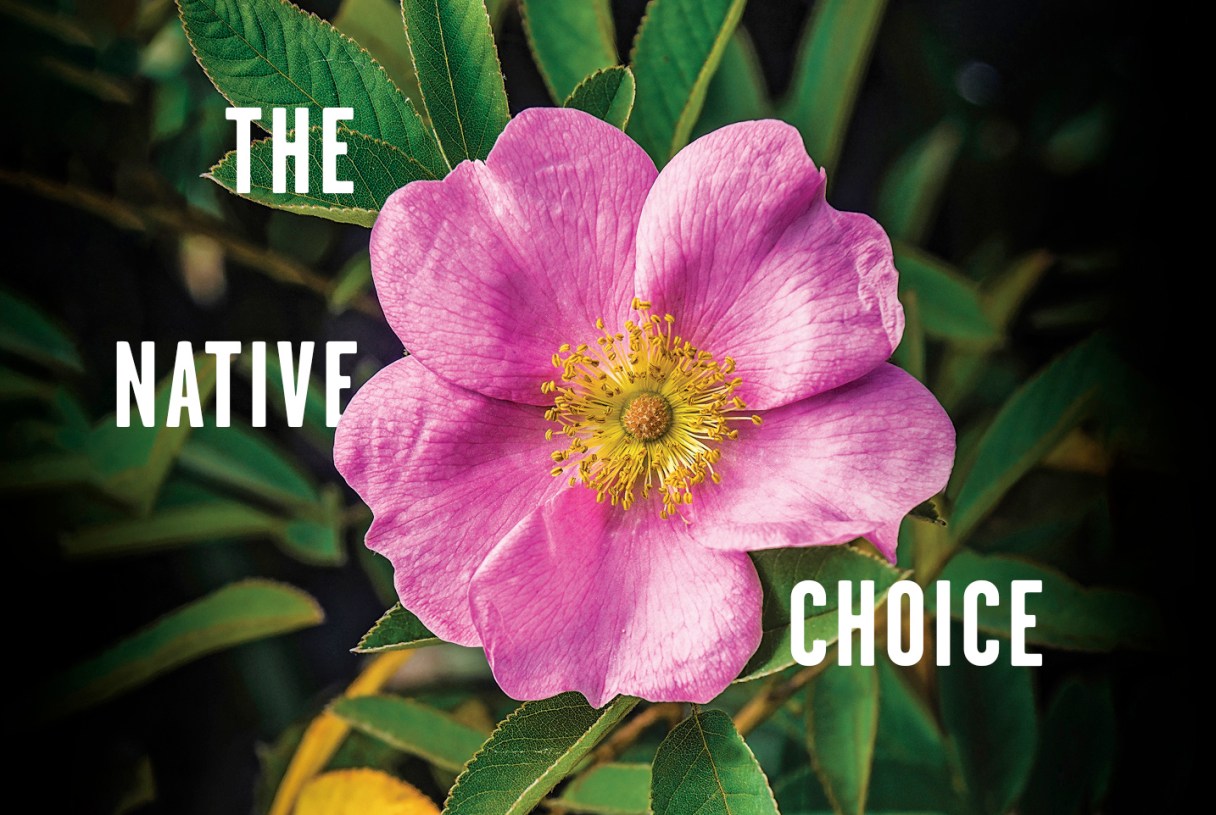
Our yards help connect us to nature. They are mini ecosystems cultivated into personal sanctuaries — ideally, anyway.
In practice, finding the time to weed, water and fertilize our little oases can be a challenge, which is why some gardeners reach for the easiest, low-maintenance options — Nandina, for example, also called heavenly bamboo, an evergreen shrub that can withstand a variety of environmental conditions: sun, shade, even drought.
Nandina grows quickly and spreads rapidly — which is precisely why the Tennessee Invasive Plant Council has listed the nonnative shrub as an emerging threat to local ecosystems, says Haley Richardson Treadway, Hamilton County’s Agriculture & Natural Resources Extension Agent.
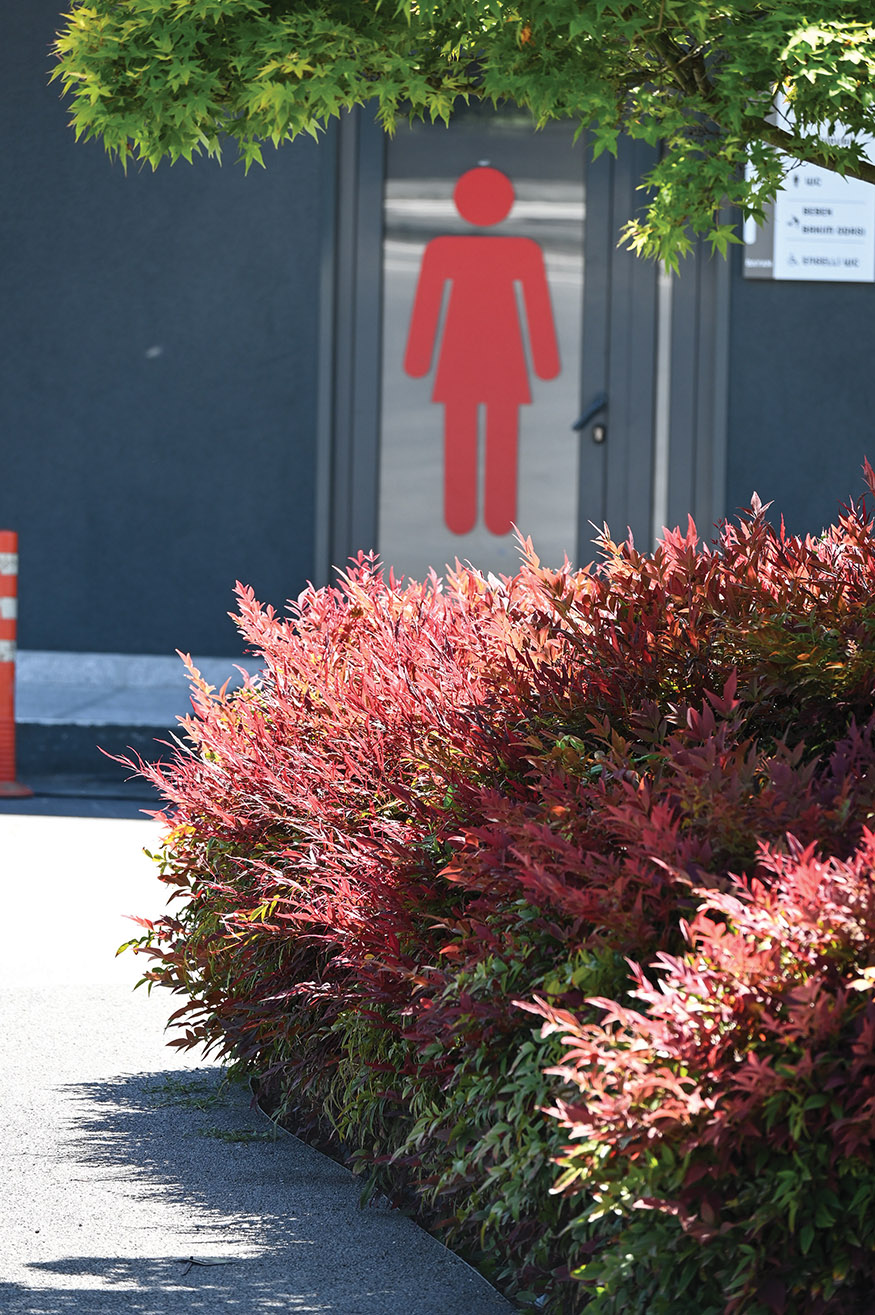
Not only does it crowd out native plants with its dense thickets, but its berries contain cyanide, which can be lethal to birds and even pets.
“There is a wide range of nuance when it comes to ‘the good’ and ‘the bad’ of plants – or really any living species,” says Richardson Treadway. “All plants in this world are native to somewhere where they likely exist in harmony in their proper, local environment. It can be helpful to think in overarching categories like ‘natives’, ‘non-invasive nonnatives’ and ‘invasive nonnatives.'”
A native species is one that originates and evolves in a particular region or habitat. A non-native is introduced, whether on purpose or by accident, and does not occur naturally in that region — like daffodils, for example, which were brought to North America by European colonists in the 17th century.
An invasive, meanwhile, is a nonnative species that spreads aggressively and causes harm to its environment.
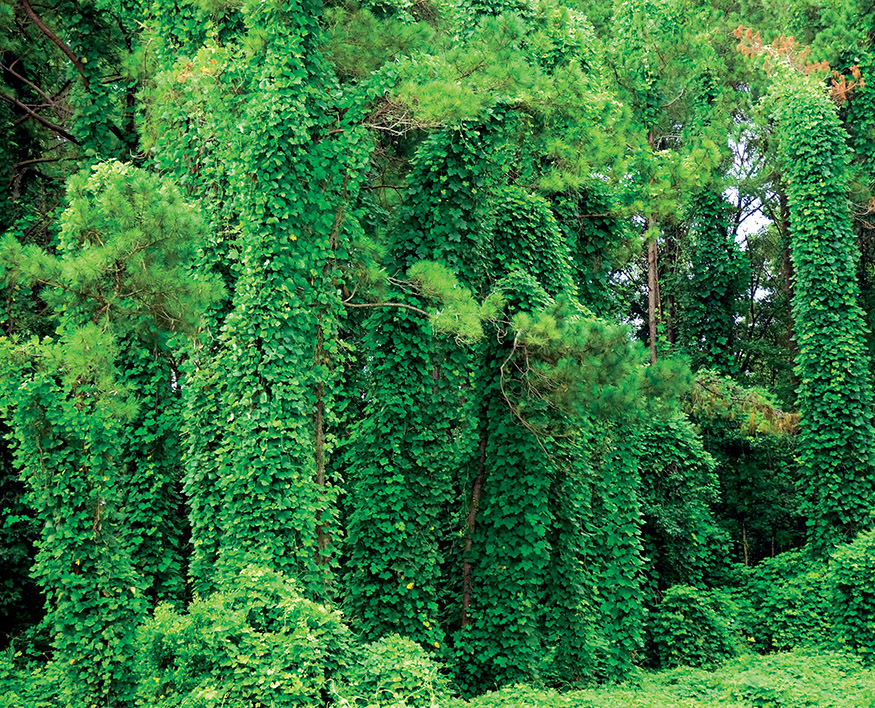
Beyond displacing natives, invasive plants create poor wildlife habitat, alter soil biology and can cause major economic problems. Take the fast-growing kudzu vine for instance, which smothers valuable timber, covers power lines and overwhelms roads — costing the U.S. hundreds of millions each year.
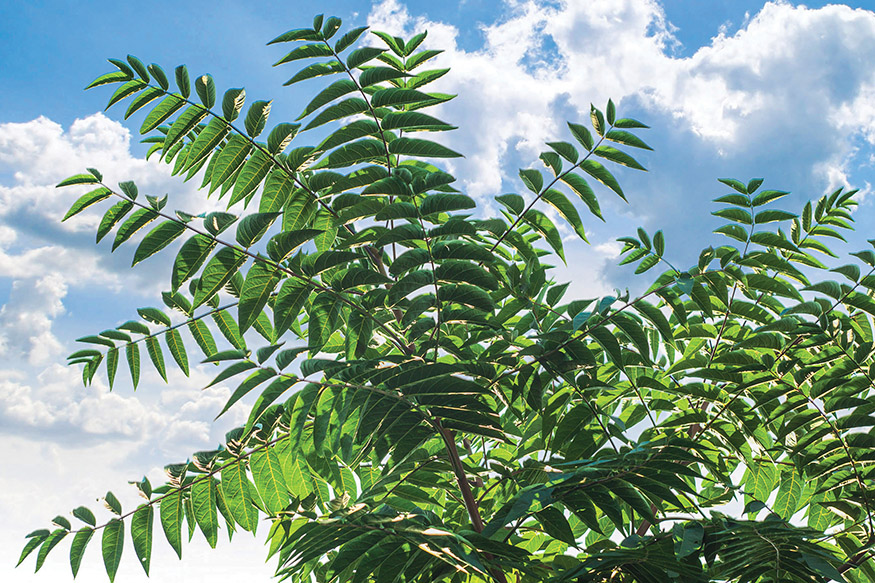
Moreover, the invasive Tree of Heaven, native to China and once a popular ornamental shade tree, has become the preferred host of invasive spotted lanternflies, which wreak havoc on agricultural crops such as grapes, hops and apples.
“Sometimes with our busy lives, we can be guilty of treating our plants more as objects in our yards than living things,” says Richardson Treadway.
But, according to a 2023 National Wildlife Federation study, gardening trends are starting to shift. The study found that more adults than ever are purchasing plants native to their regions or plants that benefit native bees, butterflies and birds. It also showed an increase in those converting parts of their yard to a more natural landscape.
“Think of the very formal European gardens like at The Palace of Versailles in Paris that are comprised of manicured boxwoods and evergreen trees that reflected a message of humanity’s attempt [at] controlling nature,” says Richardson Treadway.
Landscape design is now shifting toward a more realistic approach, integrating native plants that embrace the rhythms of the seasons, she says.
The look is a bit “messier,” she says, but it’s also more practical. Not only do native gardens benefit the environment by supporting pollinators and other wildlife, they’re also easier to manage.
“Many native species are stress tolerant (drought, heat, etc.) because these are the plants that have been acclimated to our environment for thousands of years,” says Richardson Treadway.
Ready to choose native?
Here are some options to help you design the backyard of your dreams while still supporting the environment.
Looking to define your space with shrubs, add some color with seasonal blooms or reduce your need to mow with ground cover that self-sustains? There are native options for each — as well as common nonnative counterparts to avoid. Here are Richardson Treadway’s recommendations.
Ornamental trees
Do plant flowering dogwood with its showy spring flowers that attract nectar-loving pollinators and fall berries that feed birds, chipmunks and rabbits. Typically growing 15-30 feet tall, the small tree is ideal for residential areas.
Avoid the invasive Bradford pear, which creates problems for homeowners by having weak wood prone to splitting, while offering little value to wildlife.
Shrubs or bushes
Do plant Virginia sweetspire. The adaptable shrub tolerates full sun or shade, wet or dry soils. It offers fragrant white flowers in the spring — attracting bees, butterflies and hummingbirds. Its leaves then turn vibrant red in the fall.
Avoid Chinese privet, an aggressive hedge that quickly overwhelms areas with dense, difficult-to-remove thickets. Its berries are toxic to mammals and while birds can eat them, they are low in nutrients which result in malnourishment.
Spring/summer flowers
Do plant butterfly milkweed for its brilliant flowers that range in color from yellow to red-orange. The drought-tolerant and cold-hardy plant also supports bees and hummingbirds and is a crucial host plant for monarch caterpillars.
Avoid the invasive nonnative butterfly bush. While its big blooms do attract adult butterflies, its nectar is less nutritional than native flowers, and the plant offers no food to butterfly caterpillars.
Fall flowers
Do plant native asters. The perennial daisy-like wildflower, that ranges in shades of purples, pinks and blues, is an important late-season food source for migrating birds and butterflies as well as overwintering insects.
Avoid mums, which have little ecological value compared to native alternatives. Moreover, most mums are not bred for winter and are considered disposable, temporary decorations.
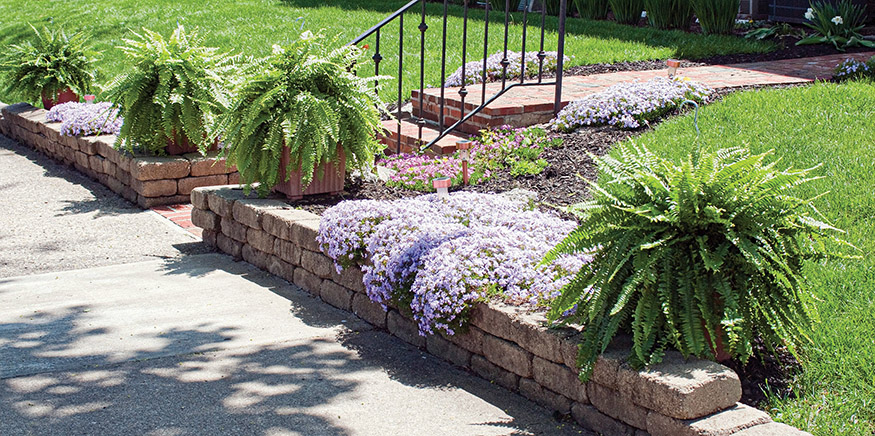
Ground cover
Do plant creeping phlox. A dense, low-growing mat of foliage with spring flowers in shades of pink, purple, blue and white, the cold-hardy perennial suppresses weeds and offers early-season support to pollinators.
Avoid English ivy due to its highly invasive nature. The aggressive and fast-growing vine can smother trees and damage a home’s structure with its sticky roots.
Shop native, buy local
Ready to get planting? Tennessee SmartYards, a University of Tennessee project, features a live, interactive map of local sources for native plants, from garden centers to plant sales to seed providers. Learn more at experience.arcgis.com.