
As a family physician in Tennessee, I have the privilege of caring for people at every stage of life, from newborns to grandparents, often all within the same family. And while every patient is unique, I can say that all my patients, regardless of race, ethnic origin, socioeconomic status or political views, share the same fundamental priorities. People just want to stay healthy, avoid the hospital and protect the people they love.
That is why I recommend vaccines to my patients as part of their overall preventive care plan. Just like wearing a seatbelt, it doesn’t eliminate every risk, but it significantly improves the odds of staying alive and healthy.
I also understand that immunization is a personal choice, and I see patients every day who struggle to reconcile information they see or hear from various sources, reliable and otherwise. Public discourse at the state and federal level has spread misinformation and caused families to question the safety or necessity of certain vaccines. Skepticism leads to declining vaccinations which leads to outbreaks of preventable diseases.
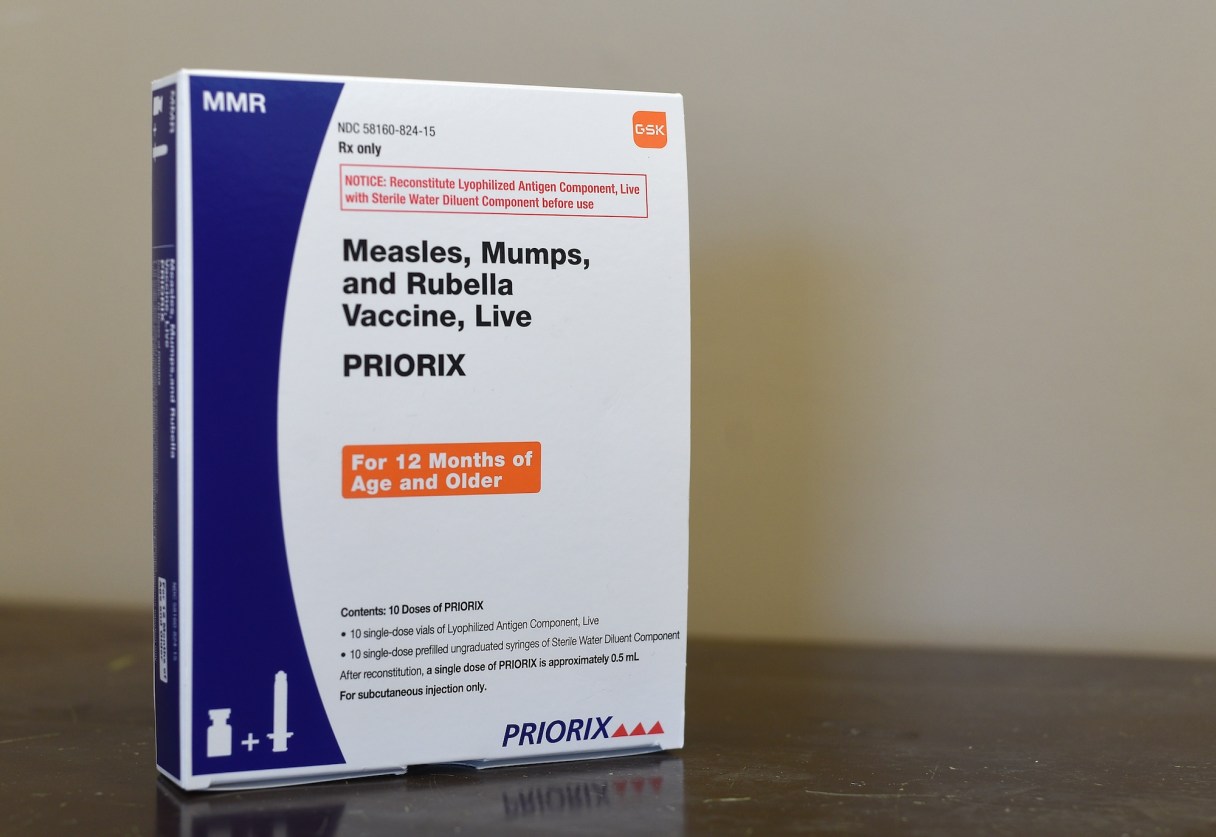
For the first time since 2008, nearly every county in Tennessee failed to meet the target measles vaccination threshold among kindergartners for herd immunity; it is less than 50% in Williamson County. In 2024, Tennessee saw its first measles case in five years, and the eight cases reported in 2025 were the highest in a decade. If our vaccination rates keep declining, we’ll soon be in a similar situation as South Carolina, where the nearly 1,000 recorded measles cases this year (mostly in children) represents the largest measles outbreak anywhere in the U.S. in more than 30 years.
Getting the right information is simple: Talk to your doctor. Ask your family physician what a vaccine does, how it works and how it fits into your overall health, especially during peak viral seasons.