Communities, like businesses and families, face a simple truth: If you are not moving forward, you are falling behind. After decades spent working in banking, I have seen firsthand how intentional, responsible growth strengthens a local economy and how resistance to all development can quietly erode a community’s future.
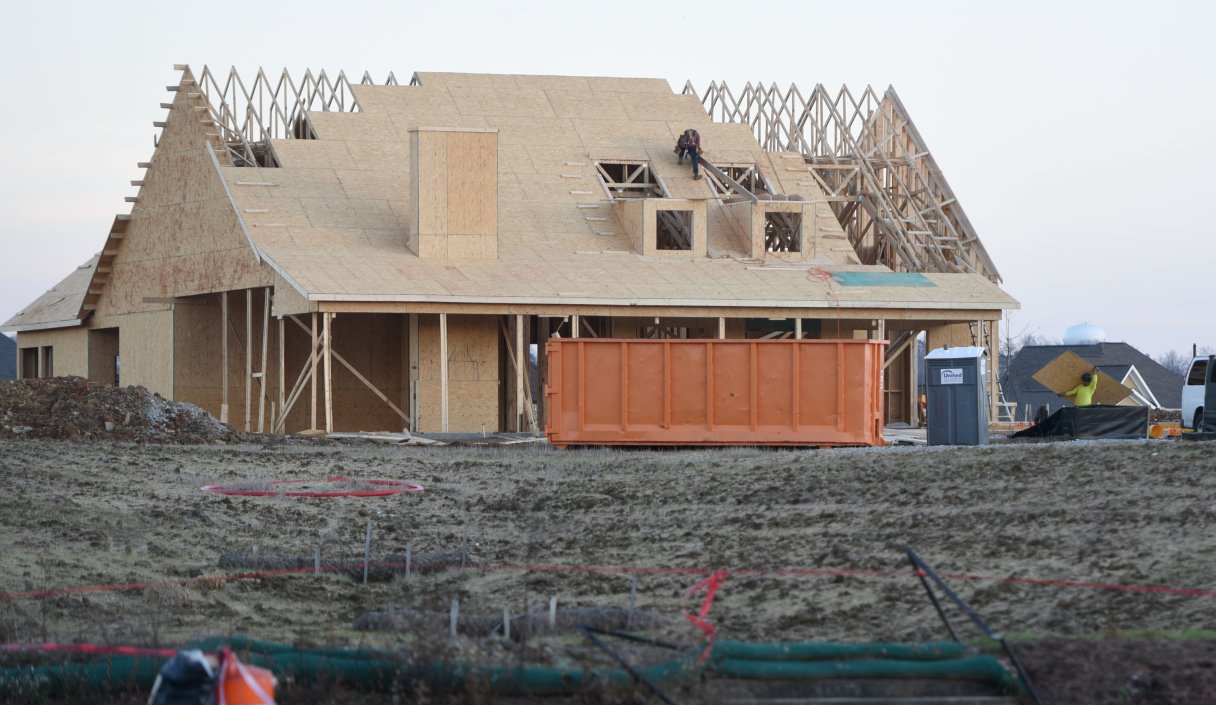
Economic growth is not about change for change’s sake. It is about creating opportunity. When a community grows, it generates jobs, attracts investment and expands the tax base that funds the services we all rely on. Services like schools, public safety, roads and infrastructure. These are not abstract benefits. They directly affect whether young people choose to stay, whether families can find quality housing and whether businesses see our region as a place worth investing in.
One of the most overlooked benefits of growth is stability. A diversified and growing economy is more resilient in the face of downturns. Communities that welcome new employers, support existing businesses and invest in innovation are better positioned to weather economic storms. Standing in the way of development may feel like protecting what we have, but in reality, it often leaves us more vulnerable to change beyond our control.
Growth also strengthens the social fabric of a community. When development is thoughtful and inclusive, it brings people together around shared purpose. New amenities, safer neighborhoods and improved public spaces enhance quality of life for everyone. Growth supports healthier lifestyles, stronger social connections and a sense of pride in place. These are the things that turn a town into a community.
Of course, growth must be done right. Smart growth balances economic progress with environmental stewardship and long-term planning. It prioritizes sustainability, reduces sprawl and ensures infrastructure keeps pace with development. This approach protects what makes a community special while preparing it for the future. The choice is not between growth and preservation. It is between planned growth and unmanaged decline.
What concerns me most is the mindset that says “no” to any and all development. Well-intentioned, blanket opposition can have unintended consequences. It can drive investment elsewhere, limit housing options and push younger generations to leave in search of opportunity. Over time, this resistance can shrink the tax base, strain public services and reduce the very quality of life people are trying to protect.
A thriving community is one that welcomes ideas, talent and investment while holding fast to its values. Growth is not the enemy; complacency is. Our responsibility, especially as civic and business leaders, is to guide growth in a way that is strategic, inclusive and forward-looking.
The future belongs to communities willing to invest in themselves. By embracing responsible development, we can build a stronger economy, a higher quality of life and a more resilient future for the next generation. Standing still may feel safe, but progress is what truly sustains us.
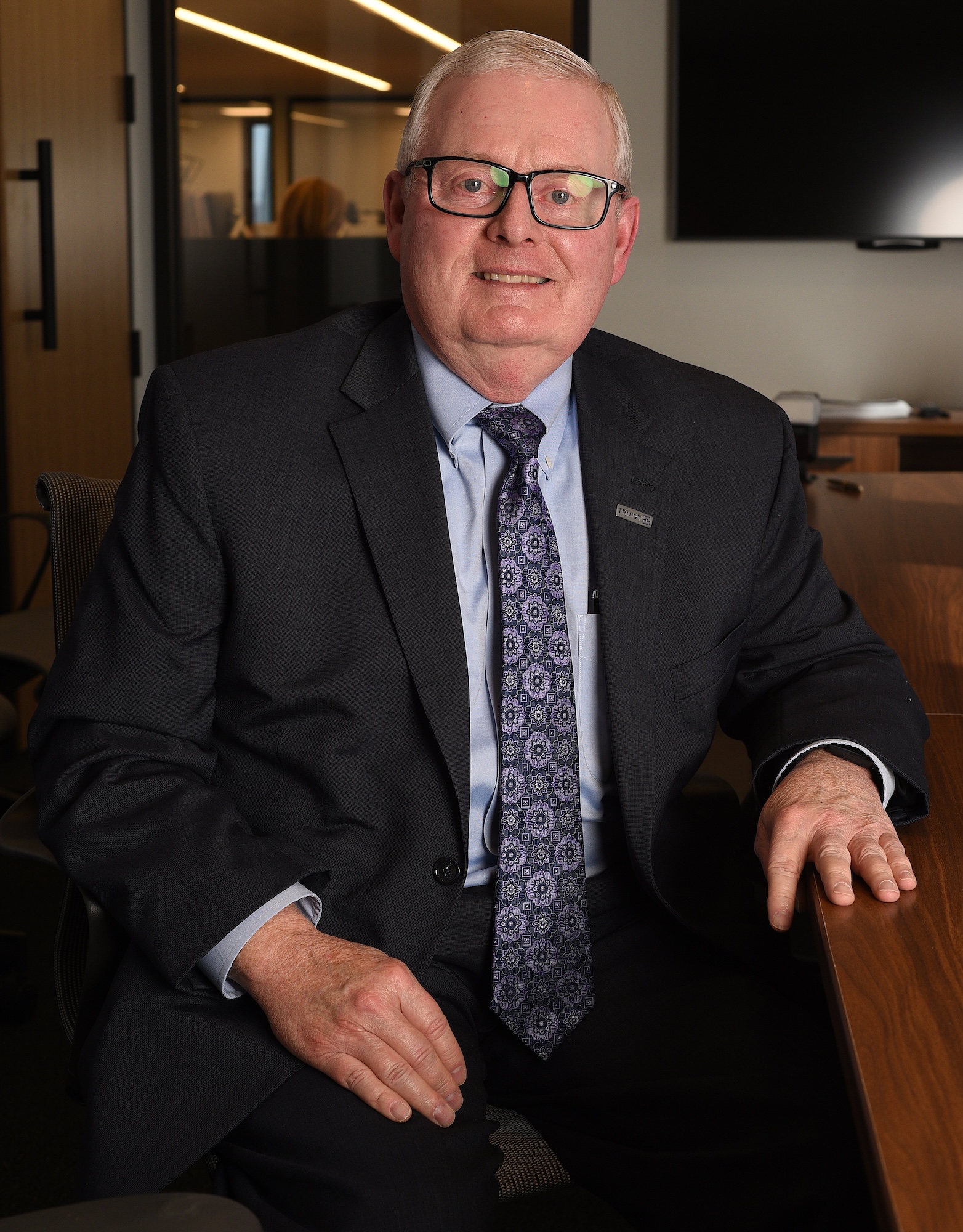
Jim Vaughn is a retired market president of Truist Bank and former chair of the Chattanooga Area Chamber of Commerce Board of Directors.