Eighty percent of Americans say voters have a responsibility to follow the news, according to a new analysis from the Pew Research Center. That’s an overwhelming affirmation of journalism’s importance.
But here’s the tension: 73% say they do not feel a responsibility to pay for news. Only 16% report having paid for news in the past 12 months. Just 8% say individual Americans have a responsibility to financially support newsgathering.
As Pew put it: Americans value being informed, but feel a limited obligation to contribute financially to the systems that help inform them.
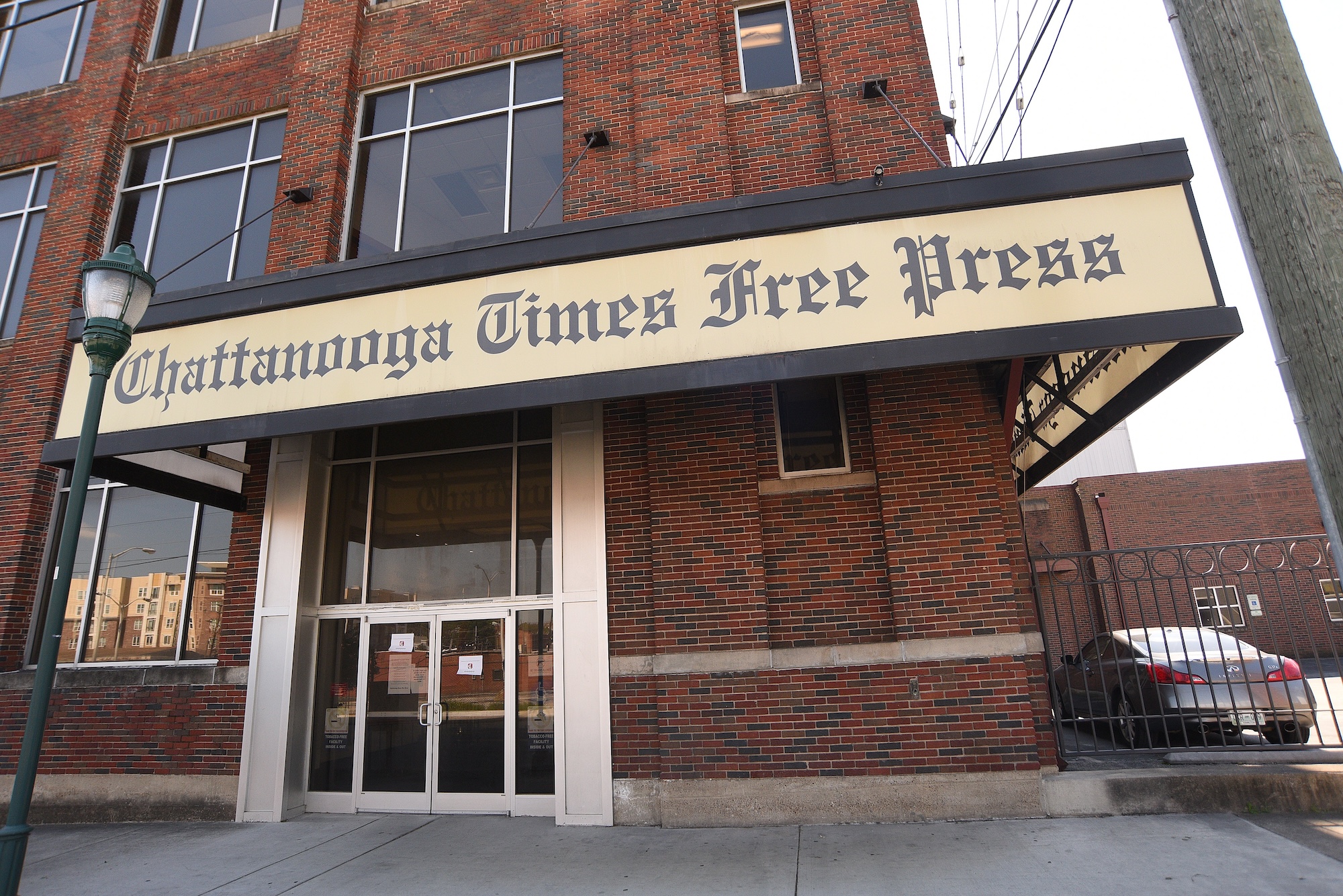
That disconnect defines the challenge confronting us at the Times Free Press and journalists at newspapers across the nation.
The people who object to paying for news (and we hear from them regularly) often point out that news about their community and their country is something everyone needs, that it’s absolutely essential. I could not agree more, but I also don’t think I could make that argument work at the grocery store or with the water company, which also charge for essential products to compensate for the time, labor and resources that go into them.
Newsgathering is a mission, but it’s also a business. No matter the industry, every business has to solve the puzzle of why people are — or aren’t — willing to pay for what they’re producing. And in a world saturated with headlines, alerts and social media snippets, many people believe they are getting enough, or maybe even too much, information for free. So why should they pay for what we produce?
The path forward for mission-driven newsrooms like ours is not more content. It’s deep local reporting that makes a difference to our community and rises above the low-information snippets, alerts and blurbs that fill our inboxes all day long.
At the Times Free Press, our strategy is to double down on original, local, high-impact reporting — the kind of journalism that brings things to light where no one else is looking. Informed local coverage that cannot be replicated by national outlets or aggregated from elsewhere.
In October, the Chattanooga Times Free Press reported that county officials had been working on plans to convert part of a beloved nature park into industrial development. The response was immediate: more than 12,000 residents signed a petition; citizens formed a nonprofit group; commission meetings filled with concerned residents.
In January, the county mayor canceled the proposal, citing public input.
Without that reporting, residents may not have known about the plan until decisions were effectively final.
In recent years, our reporting has led to the indictment of a police chief. It exposed that a former district attorney married an employee and hired her brother — findings that resulted in the Tennessee Comptroller determining he violated the state’s nepotism policy.
Those stories are not just snippets, and they are not quick or easy to produce. Reminding the public that journalists are watchdogs is a crucial way we convince our readers to support their local newsroom.
One reason people don’t feel compelled to pay is that they rarely see the real costs of journalism.
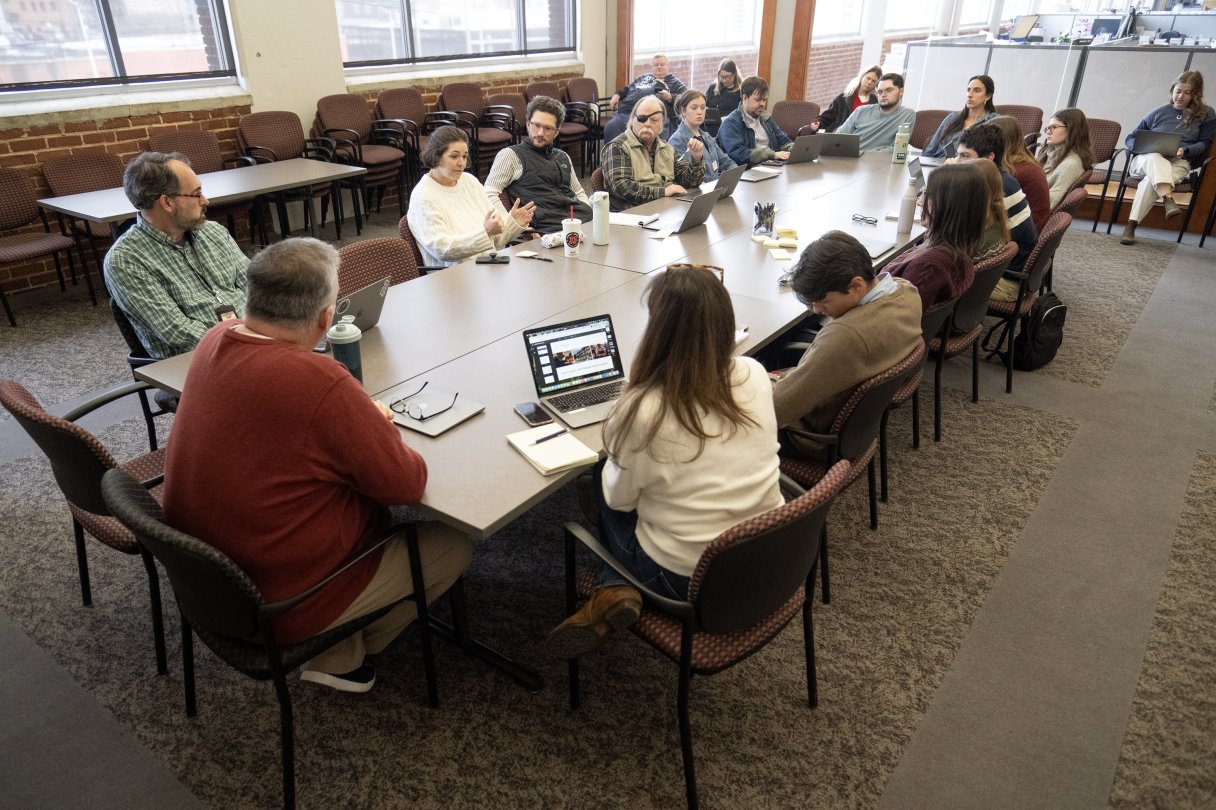
The work behind the stories is mostly invisible. Readers see the finished story, but not the travel, the months of reporting, the document searches and the long hours. We should do a better job of showing them.
Earlier this month, sports reporter Gene Henley travelled to Asheville, North Carolina, to report on the UTC men’s and women’s basketball teams after both reached the Southern Conference tournament. Health care reporter Elizabeth Fite has spent more than a year reporting on health care disparities in rural Tennessee, for a series publishing soon. And a team of TFP reporters are sorting through documents to examine how our local governments are using artificial intelligence — an effort tied to Sunshine Week, which highlights how well local governments comply with open-records laws.
In our coverage of the nature park events as they unfolded, we consistently pointed out that this news came to light through our reporting. It always feels a little strange to reference ourselves — journalists are trained to stay out of the stories they produce – but when we break news that would have been otherwise hidden, we also need to break that tradition. We need to show readers what they would not know about their own community without the work of our newsroom.
Technology disrupted our industry in profound ways, but it also gave us clarity on this front.
We have digital tools previous generations of editors and publishers could only dream of. We know what interests our readers. We know what attracts subscribers willing to help fund our work. We know which stories resonate. In many cases, it’s the uniquely impactful local reporting that no one else can deliver.
News is a tough business. The economics are unforgiving. Public attitudes are complicated. Trust must be earned every day.
But the mission remains vital — and the audience has already told us they believe that.
The better we are at making the case that our work is essential, unique and worth sustaining, the better positioned we will be to continue doing it.
The fight is difficult. But it is absolutely worthwhile.
Alison Gerber is the editor-in-chief of the Chattanooga Times Free Press. Reach her at agerber@timesfreepress.com or (423) 316-2030.