
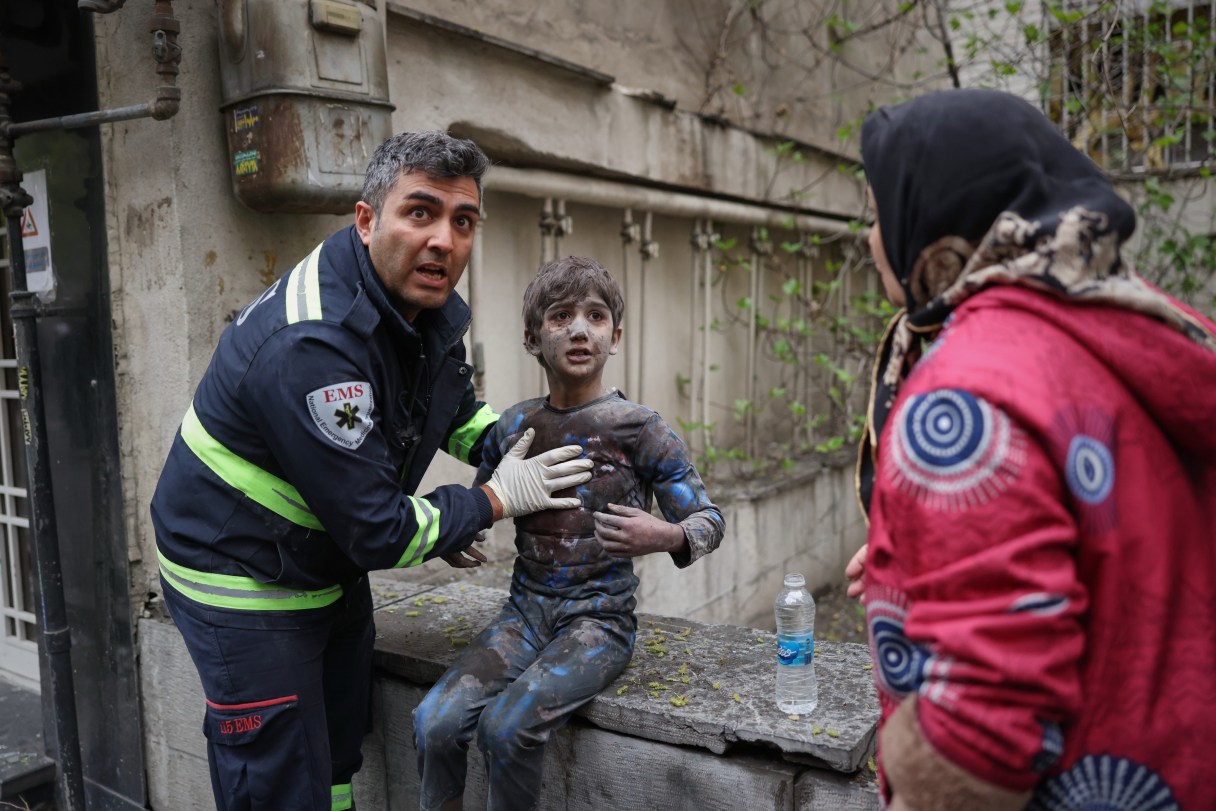
DUBAI, United Arab Emirates (AP) — Iranian-backed Houthi rebels entered the month-old war in the Middle East on Saturday, claiming a missile launch that Israel said it intercepted. Pakistan said regional powers plan to meet Sunday to discuss how to end the fighting, while Iran expressed skepticism about the diplomatic efforts. And about 2,500 U.S. Marines arrived in the region.
The war has threatened global supplies of oil, natural gas and fertilizer and disrupted air travel. Iran’s grip on the strategic Strait of Hormuz has shaken markets and prices. The United States and Israel continue to strike Iran, whose retaliatory attacks have targeted Israel and neighboring Gulf Arab states. Over 3,000 people have been killed.
The Houthis’ entry could further hurt global shipping if they again target vessels in the Bab el-Mandeb Strait off the Red Sea, through which about 12% of the world’s trade typically passes.
There could be limited relief in sight after Iran on Friday agreed to allow humanitarian aid and agricultural shipments through the Strait of Hormuz following a request from the United Nations. U.S. President Donald Trump, meanwhile, has given Iran until April 6 to reopen the strait.
Israel’s military said it targeted Iran’s naval weapons production facilities. Iran fired missiles toward Israel, and rescue service Magen David Adom said 11 people were lightly wounded near Jerusalem. And Ukraine’s president visited Gulf nations as his country offers defense help with drones.