
The state of American democracy took another dark turn under the Trump administration this month. The Federal Communications Commission effectively rubber-stamped Texas-based Nexstar Media Group Inc.’s merger with Tegna Inc., creating a broadcast behemoth capable of reaching four in five American television households.
The $6.2 billion deal threatens to deprive communities of vital local journalism as more newsrooms are likely to be gutted in the name of consolidation. Worryingly, it also concentrates more of the country’s media landscape into the hands of President Donald Trump’s allies.
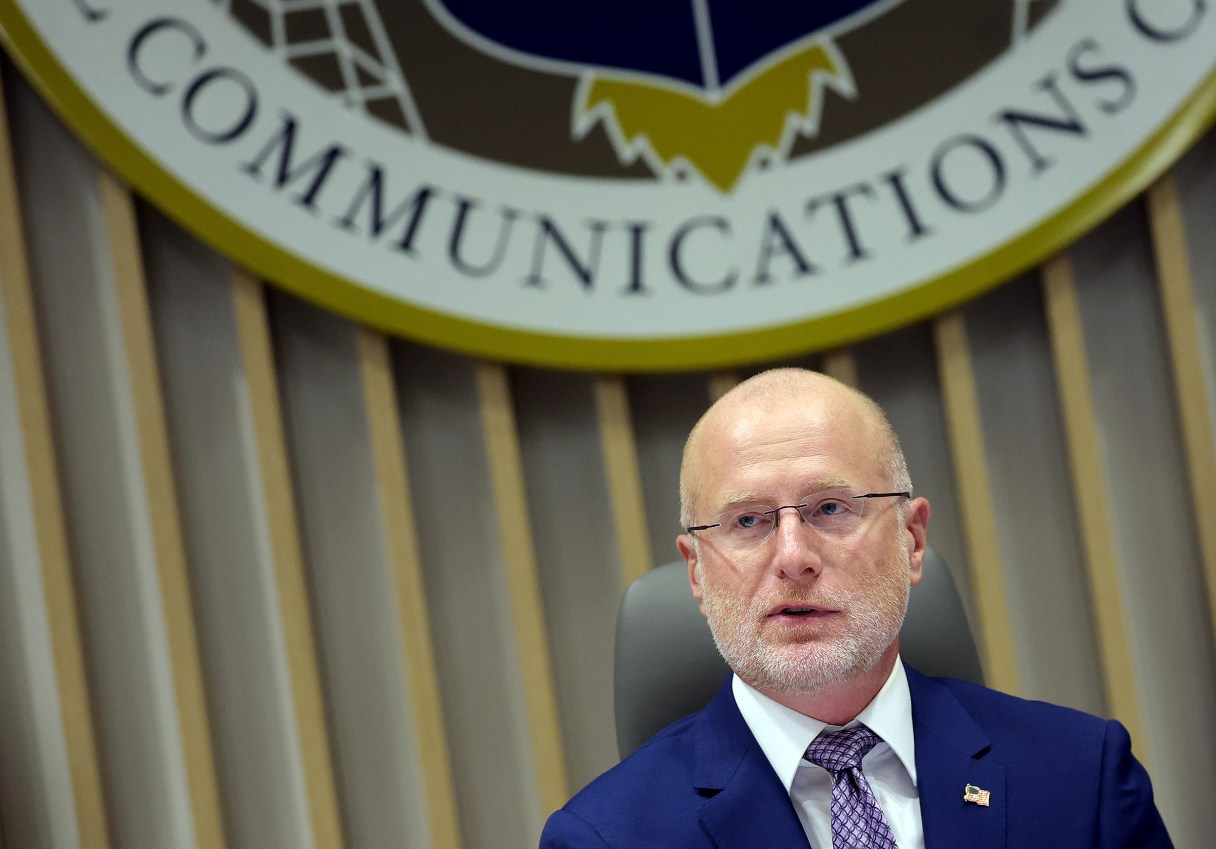
A rule set by Congress in 2004 prevents broadcasters from controlling more than 39% of the American broadcast television market. That prohibition seemed to present no obstacle for FCC Chairman Brendan Carr. The approved merger blows past that figure to an unprecedented 80%, giving Nexstar control of 265 stations across 44 states and Washington, D.C.
Democratic U.S. Sen. Maria Cantwell, the Senate Commerce Committee’s ranking member, opposes the FCC’s approval of the merger. “When one company owns multiple stations in the same city, it merges newsrooms and cuts reporters,” she said.
The merger “was approved behind closed doors with no open process, no full commission vote, and no transparency for the consumers and communities who will bear the consequences,” said Anna Gomez, the FCC board’s lone Democrat.