
Tennessee law now explicitly excludes artificial intelligence, computer algorithms and machines from its definitions of person, life and natural person.
Legislation sponsored by Rep. Michelle Reneau, R-Hixson, and Sen. Mark Pody, R-Lebanon, became law late last month after receiving a signature from Tennessee Gov. Bill Lee.
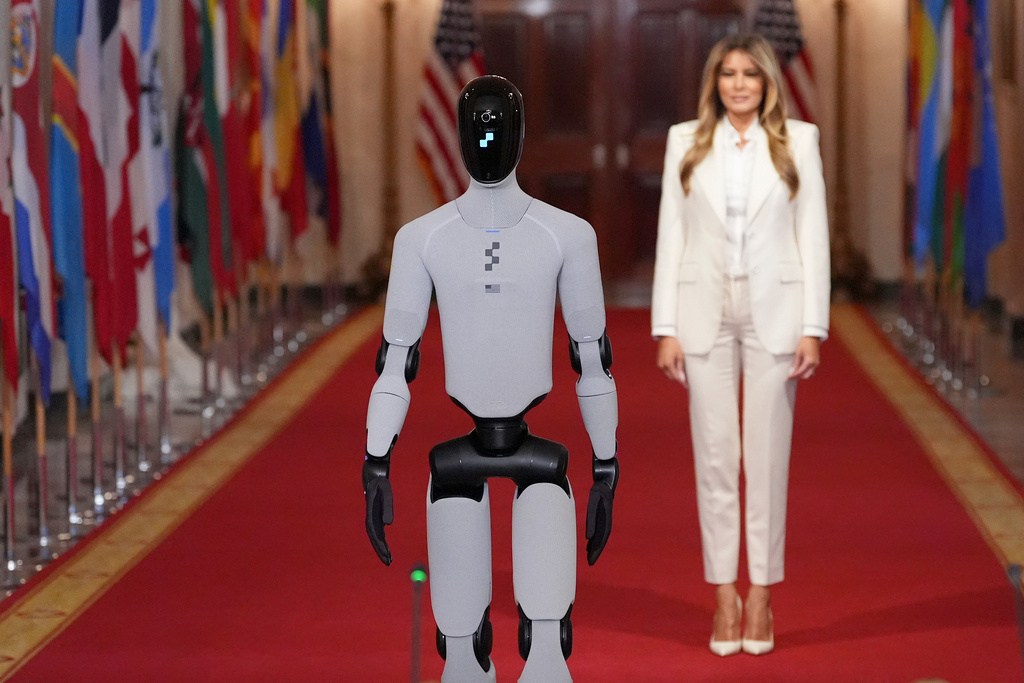
“We’re contemplating what this could be a year from now, five years, 10 years from now,” Pody said by phone. “We can see it evolving to the fact that there’ll be some robots or piece of mechanical device that will act and look like a human. And we want to make sure that the machine would never be in a situation where that would be counted as a human being with human rights.”
In a press release in January announcing the legislation, Pody and Reneau pointed to instances of AI appearing on election ballots, companies considering AI chief executives and cases in which people formed close emotional relationships with chatbots that encouraged self-harm.
“This legislation draws clear legal boundaries to protect inalienable rights that belong to humans, not databases, computers or artificial intelligence,” Reneau said in the press release.