
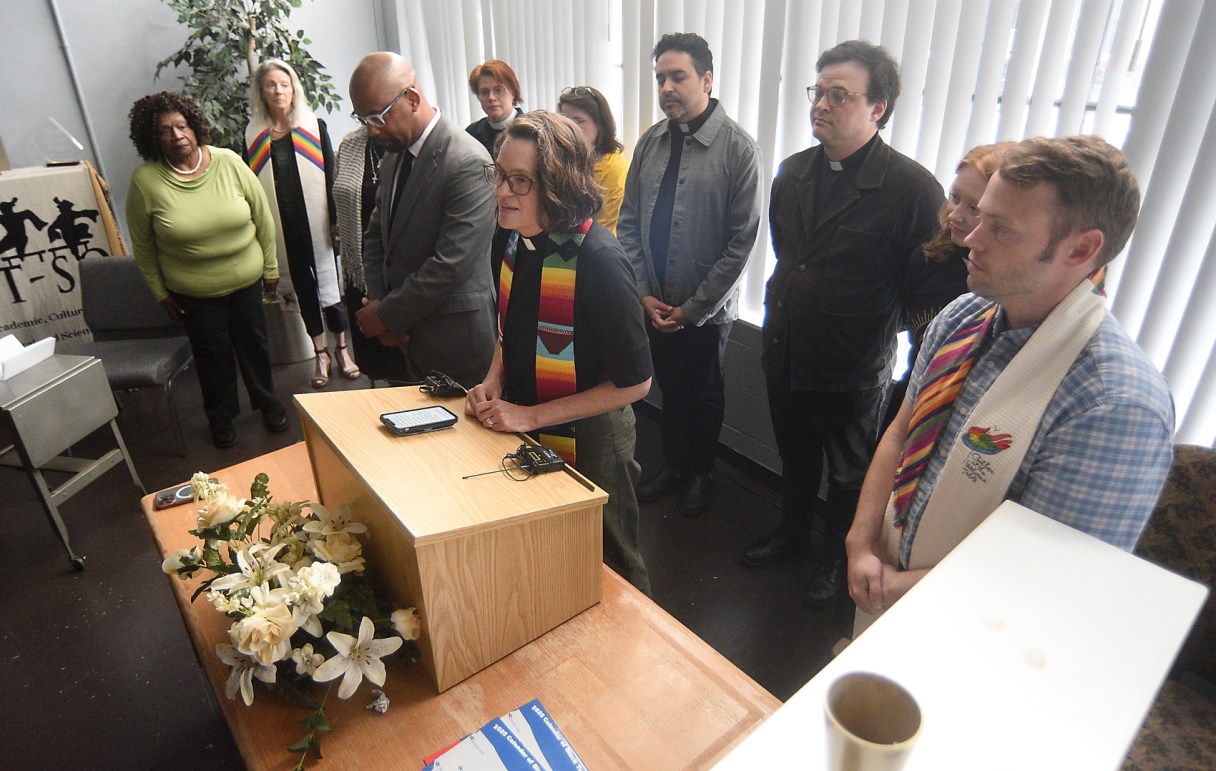
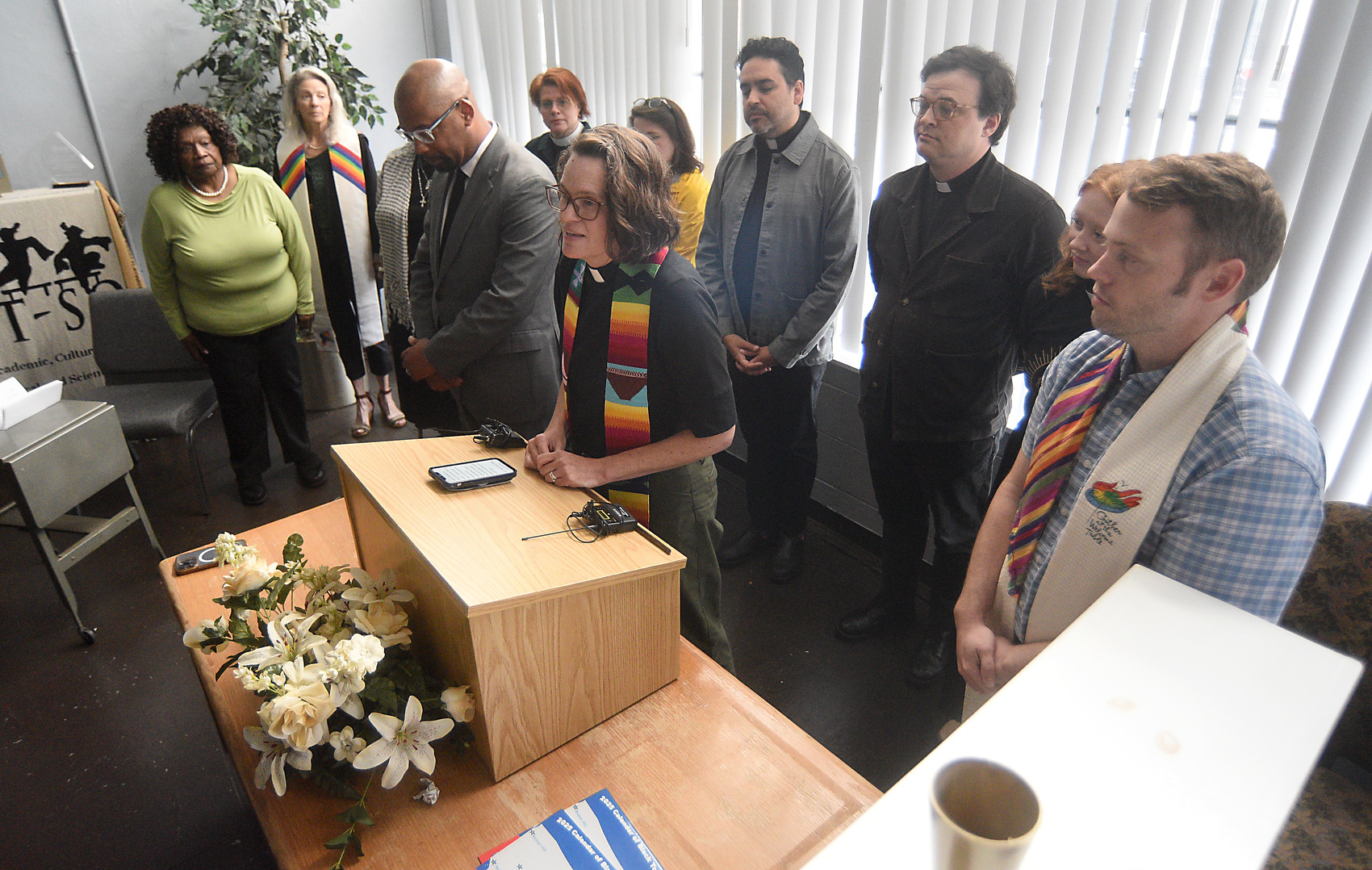
The Hamilton County branch of the NAACP hosted a press conference to oppose state lawmakers’ newly proposed congressional maps and the redistricting effort to eliminate the last Democrat-held seat in Tennessee.
Gov. Bill Lee reconvened the General Assembly following a Supreme Court Ruling that carves out Section 2 of the Voting Rights Act and lifts limitations on maps that dilute the minority vote.
“The recent Supreme Court decisions regarding voting rights and representation are not abstract legal theories debated far away in Washington,” said the Rev. Ernest Reid at the NAACP press conference on Wednesday afternoon. “They are decisions that touch the lives of people right here in our neighborhoods, churches, schools and communities.
“They impact who has access to political power, whose communities are represented fairly and whether the voices of African Americans continue to carry influence in the democratic process,” Reid said. “For Black communities, this conversation is deeply personal because the right to vote has always come at a cost. Our ancestors bled for this right. They marched for this right. They were jailed, beaten, humiliated, and in some cases killed for this right.”
Black people have had to fight for inclusion in a democracy that often proclaimed liberty while restricting participation, and many people feel this is history repeating itself in new forms, Reid said about the redistricting effort in Tennessee.
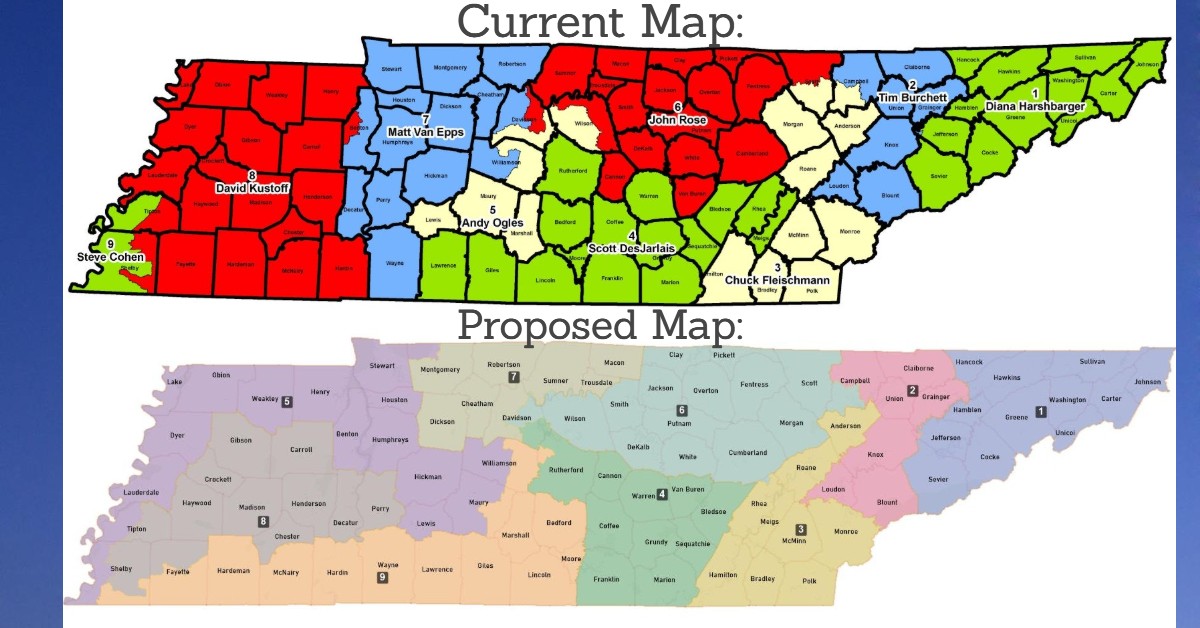
The proposed new congressional district boundary map splits the Democrat-held District 9 in Shelby County into three sections from the top of Tennessee to the bottom, drastically changing the makeup of three other districts. The population of the historically Black city would be sliced into three areas that all include a swath of rural voters.
The redraw would also place Meigs and Rhea counties in the same district as Hamilton County.
Hamilton County would stay fully in the district, which is currently represented by U.S. Rep. Chuck Fleischmann, R-Ooltewah. Under the proposed map, Morgan County, currently represented by Fleischmann, would become part of a Middle Tennessee district represented by U.S. Rep. Scott DeJarlais, R-Sherwood, and the portions of Campbell and Scott counties in Fleischmann’s district would move to the district represented by U.S. Rep. John Rose, R-Cookeville.
State Sen. Bo Watson, R-North Chattanooga, voted in favor of the proposed map in the Senate Finance Committee, and Sen. Todd Gardenhire, R-Chattanooga, voted in favor of the map in the Senate Judiciary Committee on Wednesday.
“Tennessee now has the opportunity to send another Republican voice to Washington. We intend to seize it,” Lt. Gov. Randy McNally, R-Oak Ridge, said in a press release. “The legislature will draw a fair and legal map free from outside influence. This election will shape the future of our country. Democrats in Washington have made clear their goal is to stop President Trump’s agenda and pursue impeachment. Tennessee Republicans will not stand by while the radical left pushes policies that weaken our borders, undermine public safety and move our nation in the wrong direction.”
(READ MORE: Hixson Rep. Reneau has legal and ethical concerns about congressional redistricting)
But in Chattanooga, the Rev. Reid said voting maps and district lines can weaken the collective voice of Black voters.
Boundary issues: Hamilton County NAACP opposes proposed congressional maps
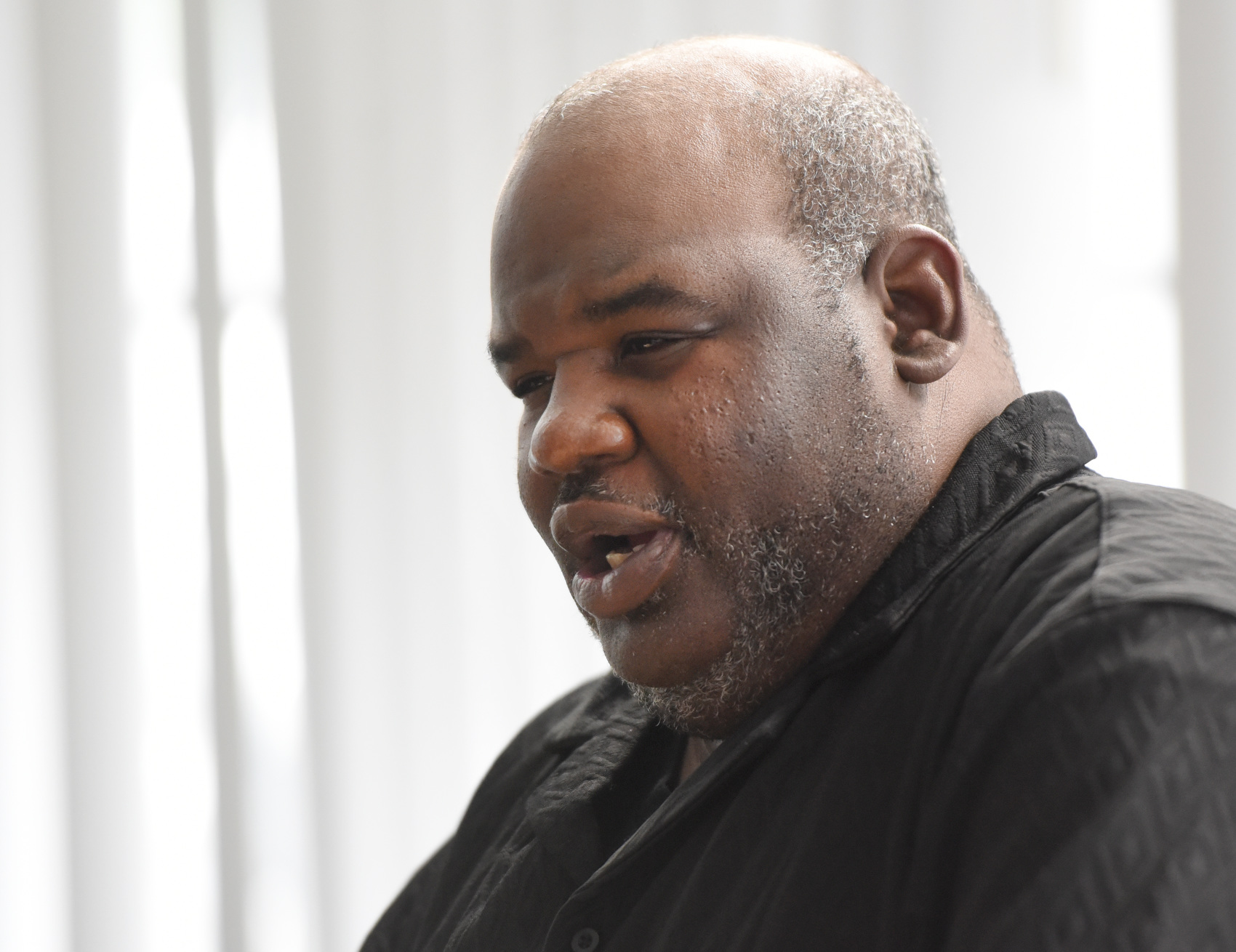
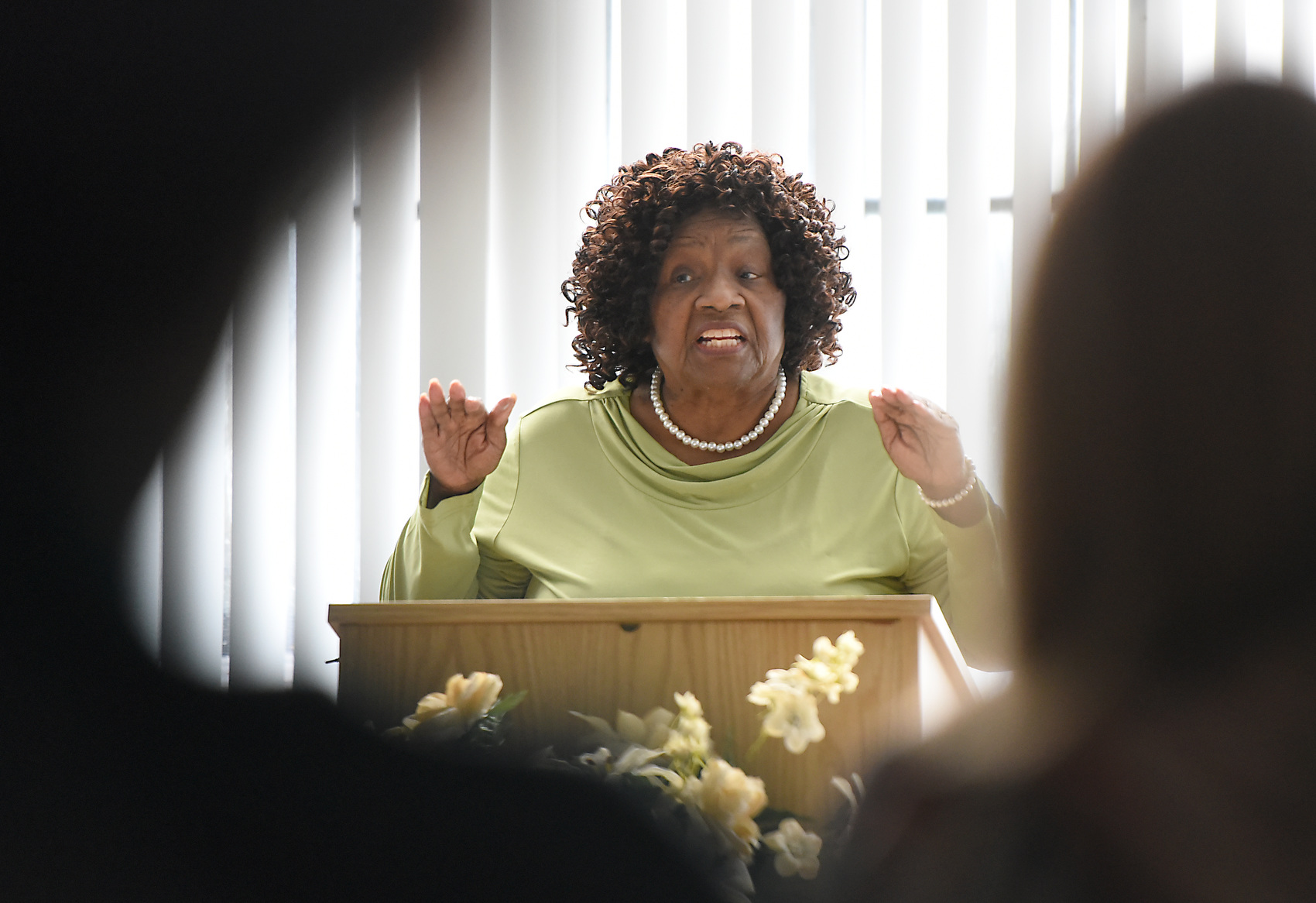
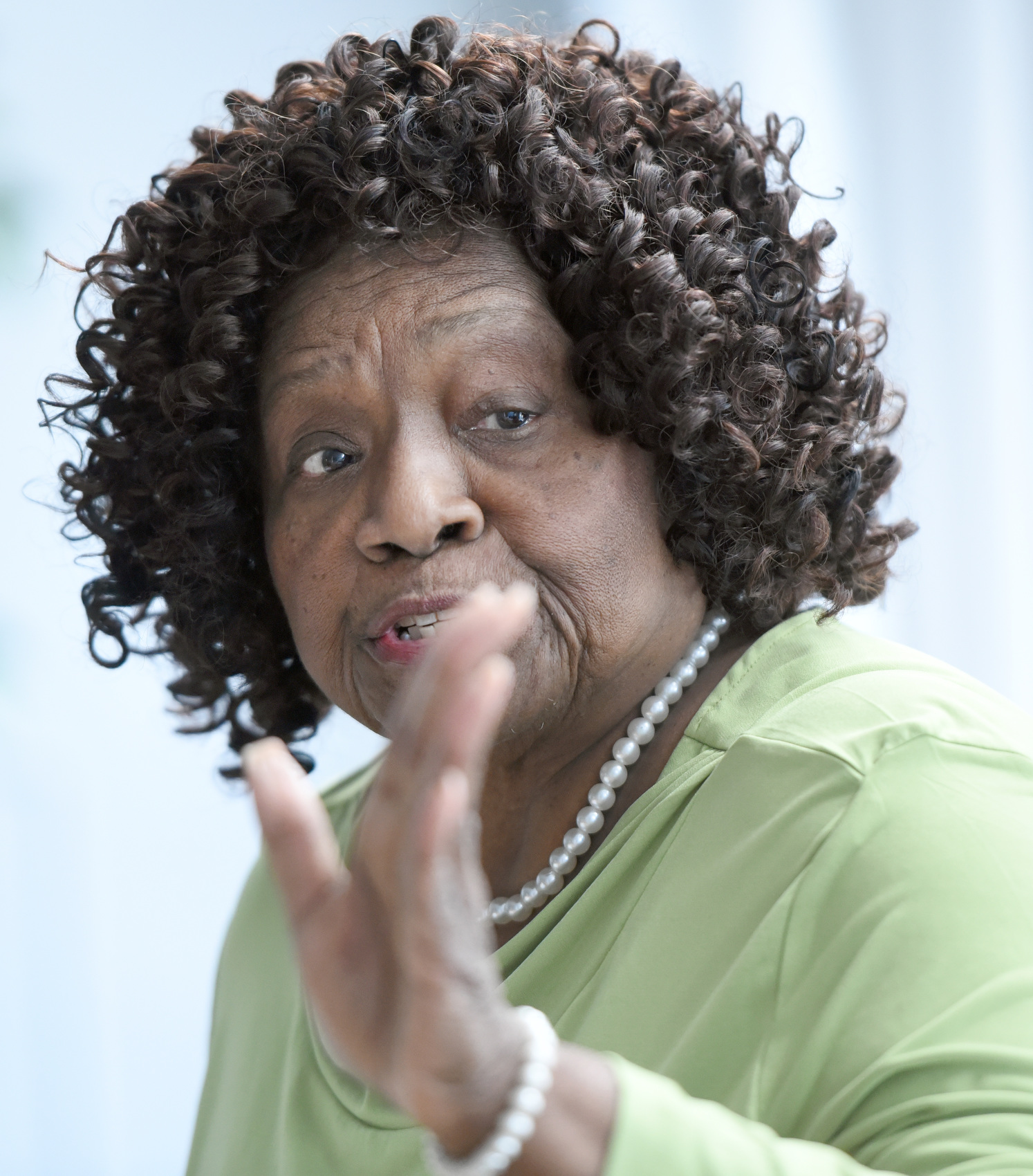
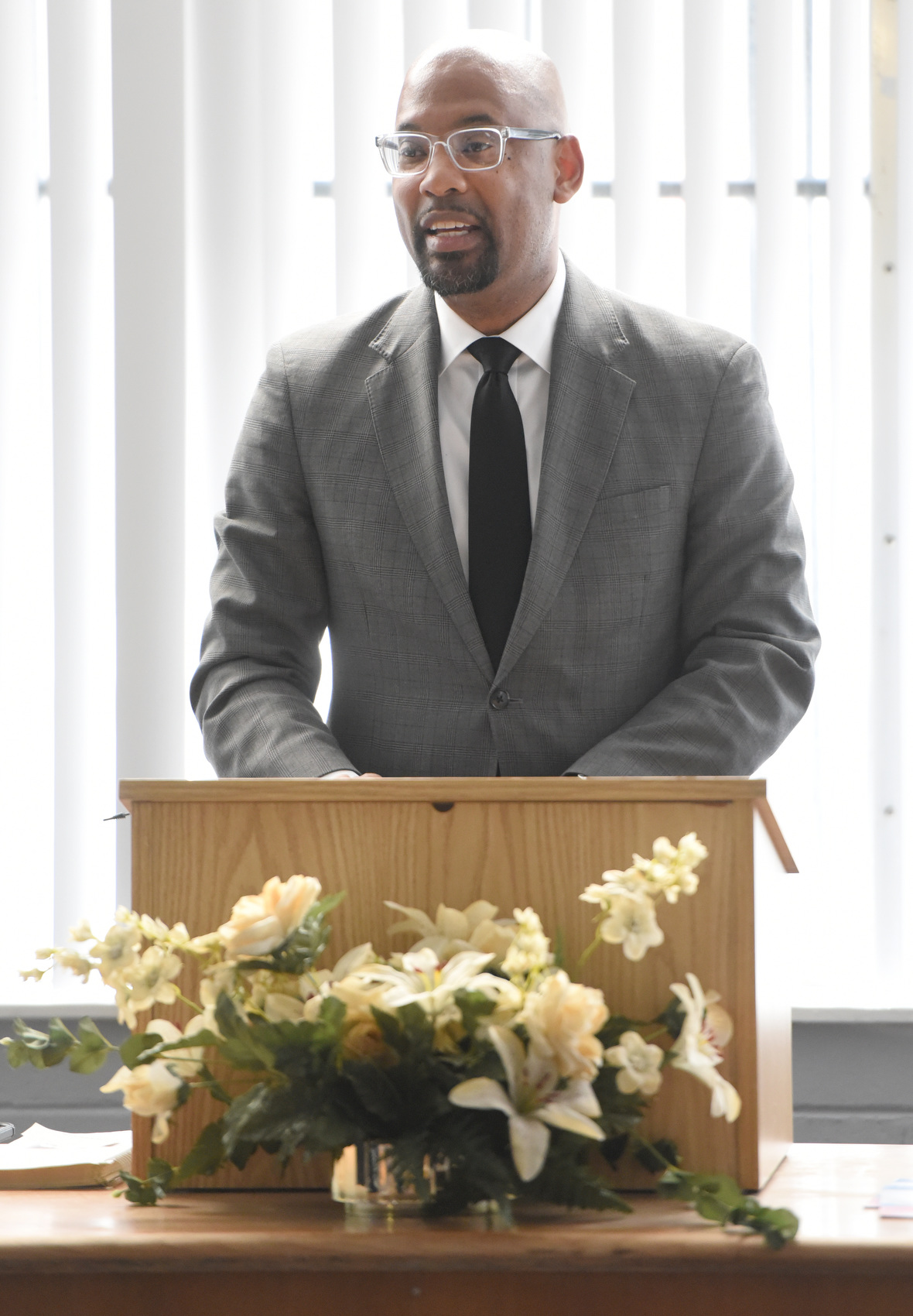
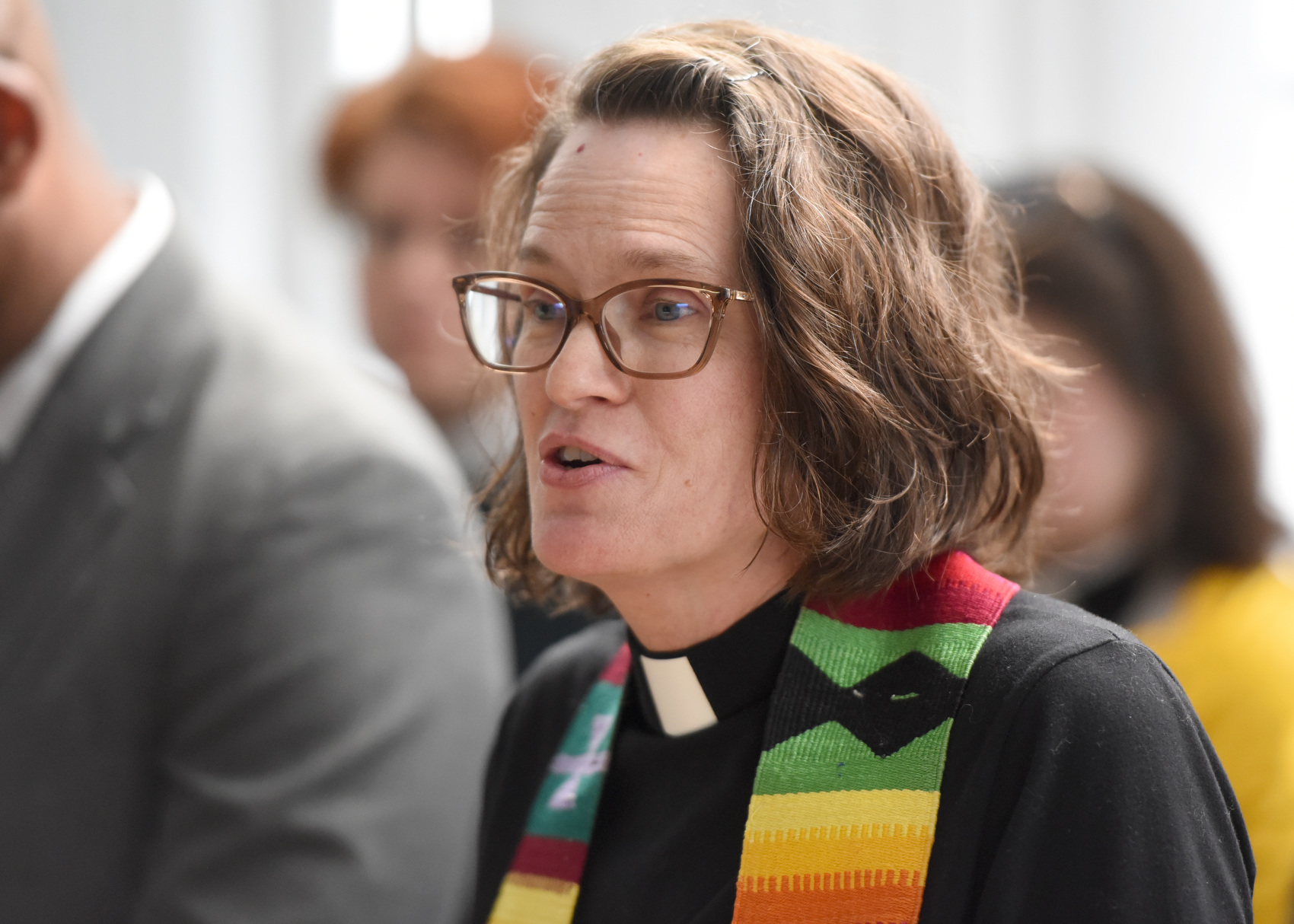
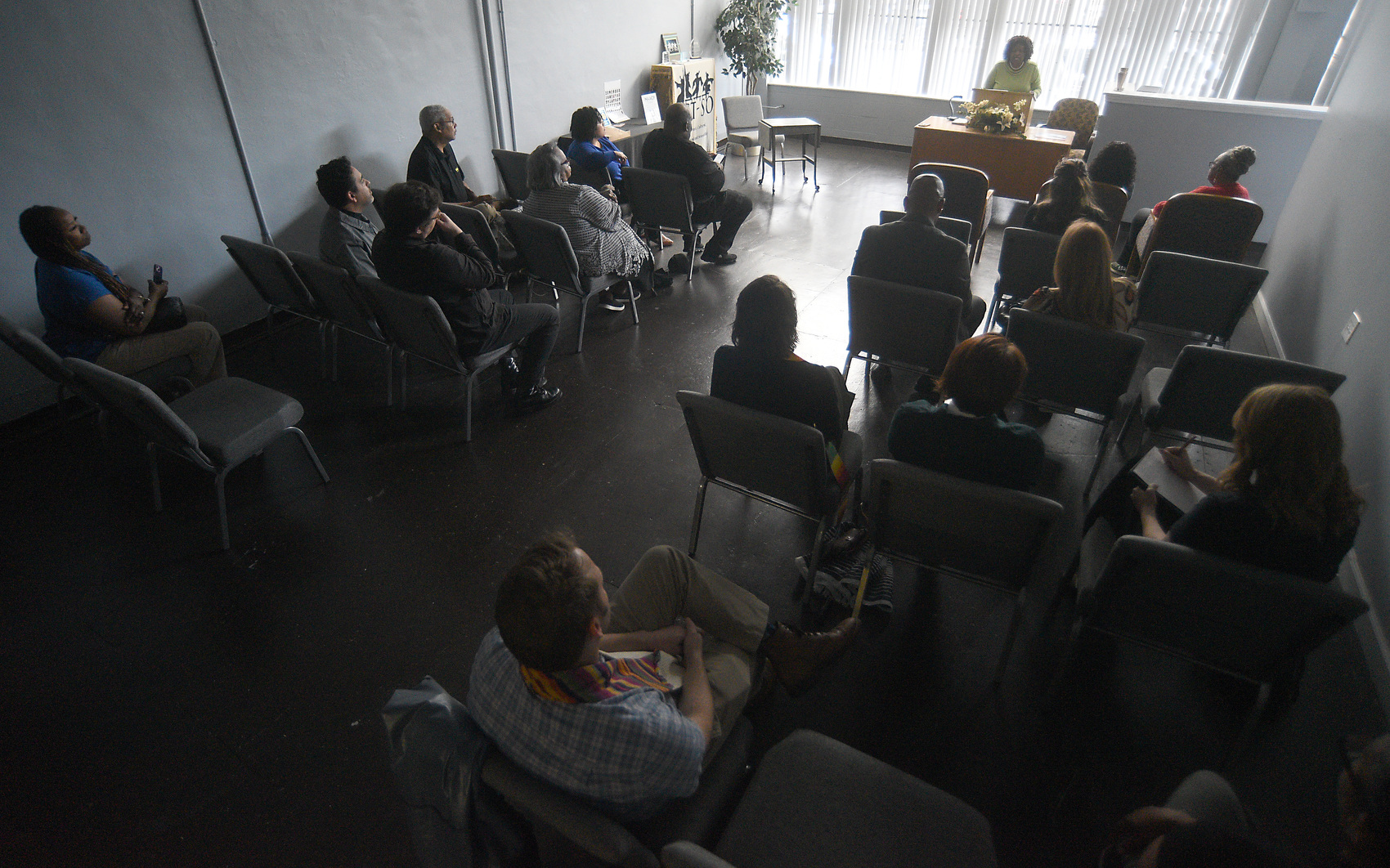
“We see a reduction in federal protections that once guarded against racial discrimination in elections,” he said.
Until the U.S. Supreme Court ruling last week, race was a factor that limited the way the legislatures could draw districts and required them to make efforts to create a district that was majority-minority if they could under certain circumstances, said William Lyons, a professor at the University of Tennessee in Knoxville. He said now race does not need to be factored in to how districts are drawn.
The only thing used to draw the map was population and politics, and race data was not factored into the proposed House map, said House Speaker Cameron Sexton, R-Crossville, in a Congressional Redistricting Committee meeting on Wednesday.
“Race and party have overlapped substantially. I mean, you know, African Americans have voted overwhelmingly, historically, for Democrats. So when you’re talking about the interest, it’s a little hard to separate those,” Lyons, whose teaching and research focus on the Tennessee state government, said by phone. “What people would say is, ‘We are doing this for party reasons, not for race reasons,’ and I think that’s exactly right. This is all done for party reasons, and it happens to overlap with race as well, because of voting patterns.”
(SIGN UP: Get Chattanooga area politics news weekly in your inbox at timesfreepress.com/politics)
When it comes to state plans to redistrict, this is the direct action phase, Eric Atkins, cochair of Unity Group of Chattanooga, founded in 1969 to help get Black candidates elected to government, said at the press conference.
“And we need for you to know when we saw that the Voting Rights Act had been struck out … it is more than just taking away a vote. It is undermining the fundamental principles of this nation, the principles that we should have consent of the governed, will of the people, one person, one vote,” Atkins said. “We are called right now to uphold these principles for our children, for our ancestors, for ourselves, because if we let this country revert back to Jim Crow and to slavery times and to times before then, when we were indentured servants, then this country will cease to exist as we know it. It will be the death of democracy.”
‘TRIPLE TIME’
There is no precedent, Lyons said, he is aware of for redistricting to this magnitude within this time frame.
“Well, this is almost like taking a movie you’re watching and then hitting the triple time on it,” Lyons said. “Things that have happened fairly slowly, traditionally, are going to have to happen really quickly, and that has all kinds of impacts.”
Tennessee congressional primaries are scheduled for Aug. 6, and the deadline for candidates to qualify has passed.
Lyons said redistricting so close to the primaries will have ramifications for current campaigns and candidates. Candidates will have to regroup, and many might not have spent time in the districts outlined in the proposed map, he said.
New district maps need to have three readings on three different days, Watson said in a previous interview. Lawmakers said the state will fund any resources needed for election commissions to adjust to the new maps.
“The state’s paying for the ability for them to get this done,” Sexton said.
Tennessee joins states like Florida, Louisiana, Mississippi, Alabama and Illinois, where The Associated Press reported efforts to redraw districts based on the court ruling.
___
Contact politics reporter Ruby Rayner at rrayner@timesfreepress.com or 423-757-6556.