
Ahead of the midterm elections later this year, a mid-decade redistricting battle between Republicans and Democrats has ensued over who can out-gerrymander the opposition.
It started last year in Texas when state Republicans, at President Donald Trump’s command, redistricted an already intensely gerrymandered map to potentially gain an additional five seats in Congress for the GOP.
California responded in kind and drew five safe seats, approved by voters via referendum, for Democrats. After Ohio and North Carolina shored up additional Republican districts, Virginia voters narrowly approved a gerrymandered map in April that gave Democrats four seats, seemingly bringing this tit-for-tat race to the bottom to a draw.
But over the past month, courts have intervened in favor of Republicans. Neutering the Voting Rights Act of 1965 beyond all recognition, the U.S. Supreme Court late last month, in Louisiana v. Callais, effectively ruled that states are no longer required to draw a share of majority-minority districts to match the demographics of the statewide population.
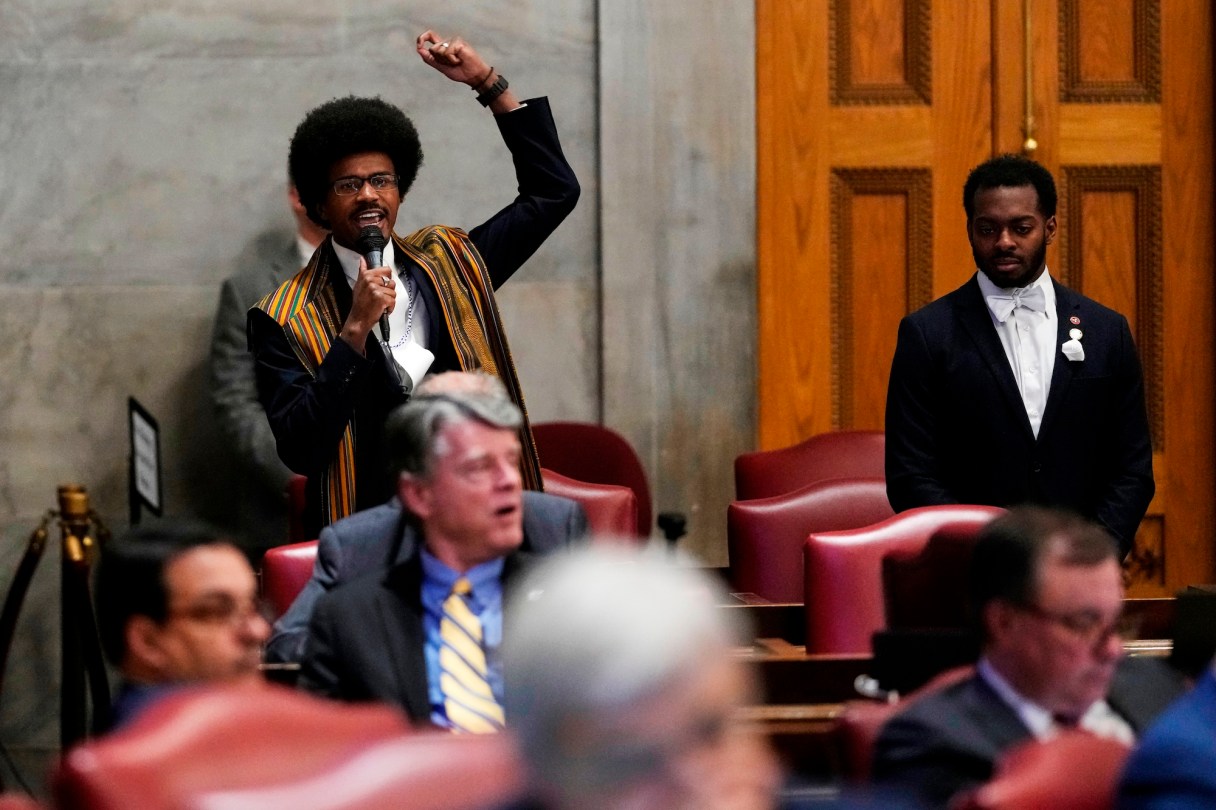
In response, Tennessee’s GOP supermajority wasted no time in splitting Memphis and Shelby County, the center of the state’s lone Democratic and majority-minority district, into three districts that tilt reliably toward Republicans.