
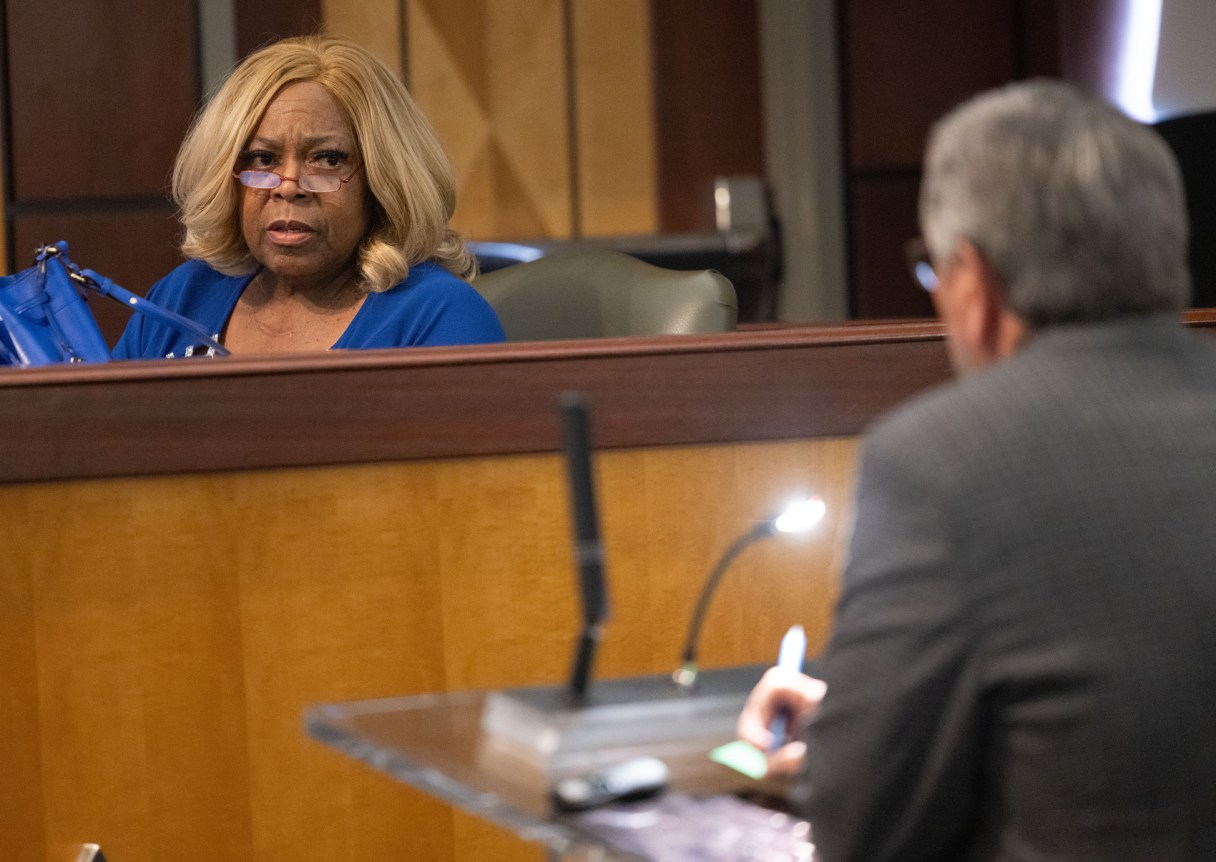
Some Chattanooga City Council members had harsh words Tuesday for a proposal that would redirect funds from the municipality’s down-payment assistance program to a newly formed land trust operated by an outside entity.
The Tennessee Valley Community Land Trust is a newly formed nonprofit with the goal of sustaining long-term affordable homeownership in Chattanooga. Its operating model involves buying the land a structure sits on, rather than the structure itself, and holding it in perpetuity. Any homes on the land owned by the community land trust would be privately owned but would have their appreciation capped at 2% annually.
(SIGN UP: Get Chattanooga area politics news weekly in your inbox at timesfreepress.com/politics)
According to council member Jenny Hill of North Chattanooga, who is asking the city to cut funds from its own affordable housing initiative to invest in the land trust, the model would ensure affordability for not just the first family who owns the home, but also every family who wants to purchase it after.
For council members Raquetta Dotley of East Lake and Marvene Noel of Orchard Knobb, limiting the equity a homeowner — especially those who are low-income trying to purchase property in their districts — can get out of their own property was said to be reminiscent of racist policies in America’s past that prevented Black Americans from owning certain property or generating value from the land they worked on.