
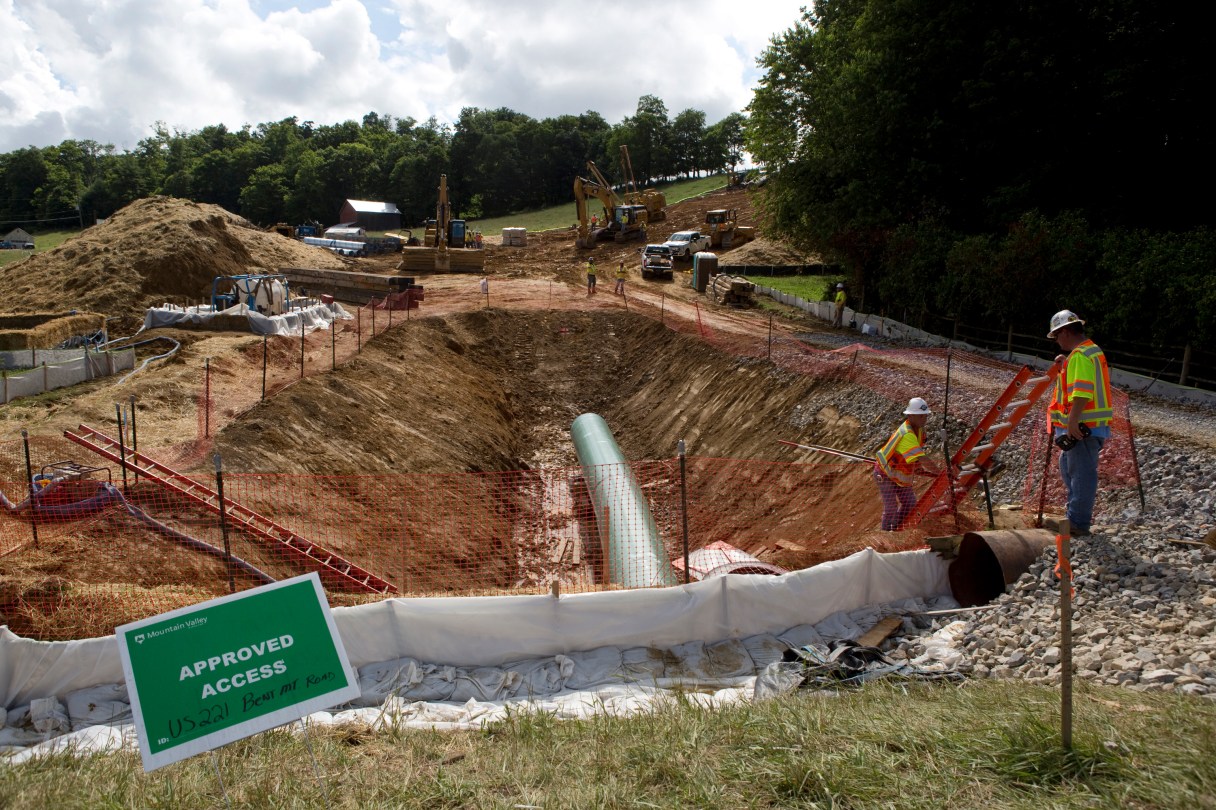

Part of the plan for a 470-mile, more than $7.5 billion new natural gas pipeline across the Southeast includes cutting through Tennessee.
Roughly 170 miles of the Southeast Connector pipeline being developed by Southern Natural Gas, part of the energy infrastructure company Kinder Morgan Inc., are planned to transport up to 2.6 billion cubic feet of natural gas per day from Sumner County all the way to Georgia through Macon, Trousdale, Smith, DeKalb, Cannon, Warren, Coffee, Franklin and Marion counties.
According to a project overview fact sheet, the company anticipates submitting a pre-filing request by the end of the year, letting the Federal Energy Regulatory Commission know it is interested in pursuing a project and will collect community feedback and resolve environmental and safety concerns.
A certificate application could be filed as early as next year’s third quarter, with construction potentially beginning in the fourth quarter of 2028. Service may start around the end of 2030 with additional phases of construction and growth to follow.
Construction of the pipeline is expected to create approximately 7,000 temporary jobs and 50 permanent ones, according to the fact sheet, which does not list wages.