
On Nov. 19, communities across the country marked National Rural Health Day, a chance to recognize the people who keep care close to home for rural Americans.
I’ve spent more than two decades doing that work in rural Tennessee, and I want to talk about a part of it most people never think about until they need it: anesthesia.
My career began in 1984, at age 22, after community college and Auburn University. I started in cardiothoracic nursing, where I became fascinated by the monitors and machines and the minute-to-minute work of keeping patients stable during life-saving procedures.
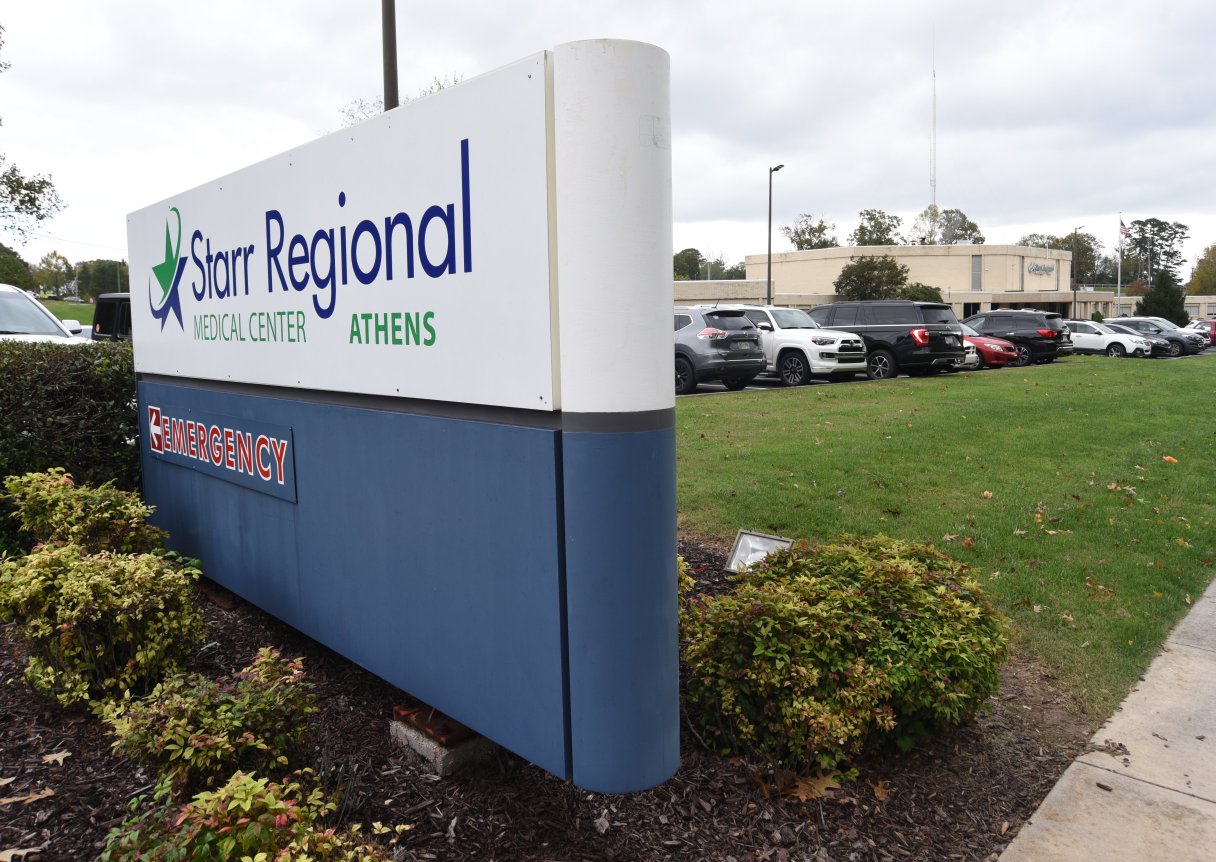
I wanted to do more. In 1999, I graduated from anesthesia school and became a certified registered nurse anesthetist. After five years at a trauma center in Memphis, I moved to Athens, Tennessee, where I’ve practiced ever since. I’ve been a nurse for 42 years and a nurse anesthetist for 27.
Nurse anesthetists are advanced practice registered nurses who administer anesthesia and manage patients’ pain and vital signs before, during and after surgery and other procedures. In rural hospitals, we rarely get to specialize. In a single week, I may care for patients having general, gynecological, orthopedic, urological and eye surgery. We see people on some of their best days and some of their worst, and our flexibility is often what keeps a small hospital’s operating room running.