
To start, here is some literary context to ponder. In Stephen King and Peter Straub’s novel, “Black House,” the authors write about the concept of borderlands.
“These structures have the air of failed resurrections,” is one turn of phrase. Borderlands have a slightly unnatural characteristic. “It can be detected in every seam between one specific territory and another, however significant or insignificant the border in question. Borderland places are different from other places; they are borderish.”
When I was a child growing up in Collegedale, and without understanding the racial subtext, if you had asked me what a borderland was, I would have said Summit. Borderlands are where people in many a community or society who don’t quite fit in tend to live. Think about driving through your typical small town: the farther one gets from the center, the less attractive everything becomes — the dingier the homes, the accumulation of detritus on the lawns, the more run-down the vehicles. Anyone reading this knows what I speak of; we have all driven through borderlands.
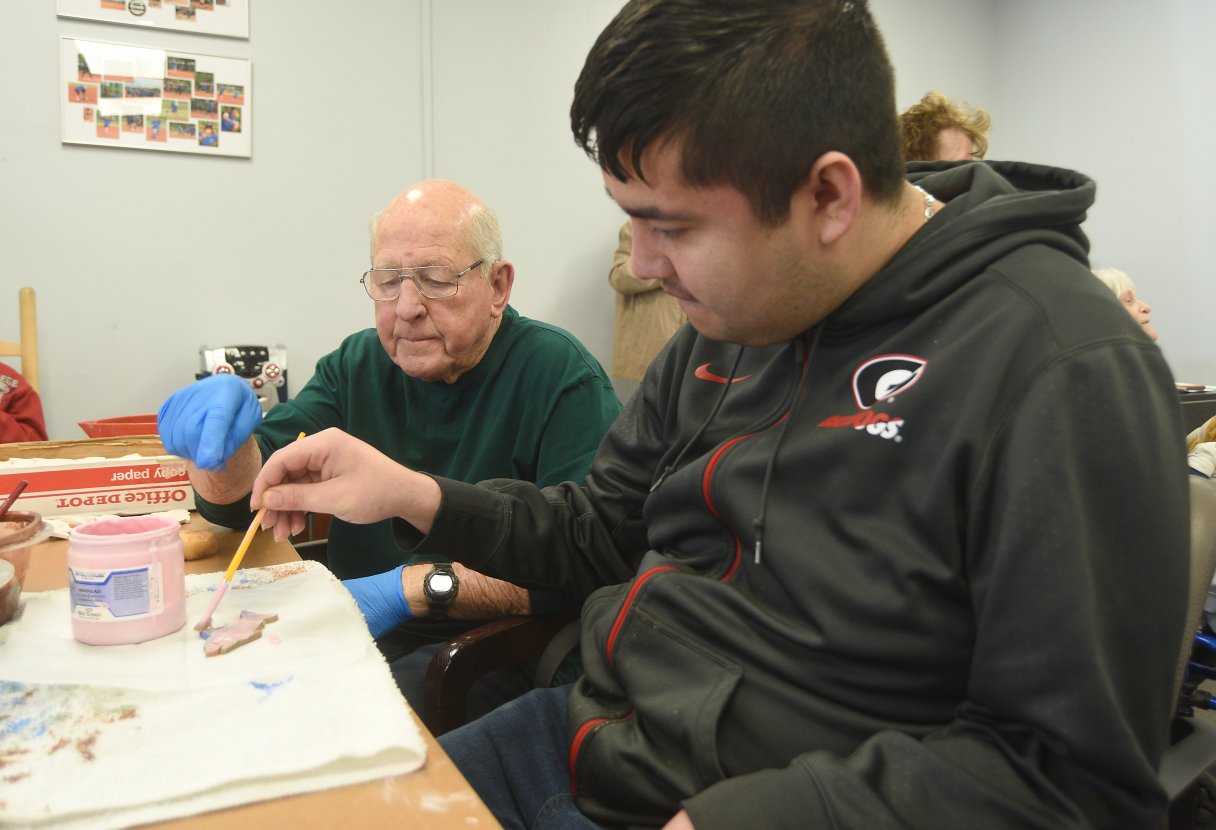
I have been on the Orange Grove Center’s board for a bit over two years. During the most-recent meeting I was, admittedly, woolgathering, and for some reason the concept of borderlands came to the surface. As many know, this organization supports more than 1,000 children and adults with intellectual and developmental disabilities and is one of Chattanooga’s outstanding nonprofit organizations.
When asked to join the board, I did so for two reasons. First, our daughter, Aurelia, has autism, along with a muscle disorder that can leave her temporarily paralyzed and in severe pain. Second, some very dear friends of ours have a 13-year-old daughter with Down syndrome. I obviously adore my dry-humored, brilliant, artistic, and lovely daughter. Young Miss Ivey is a marvelous treat to visit. She may be the sweetest and kindest human I have ever met.