
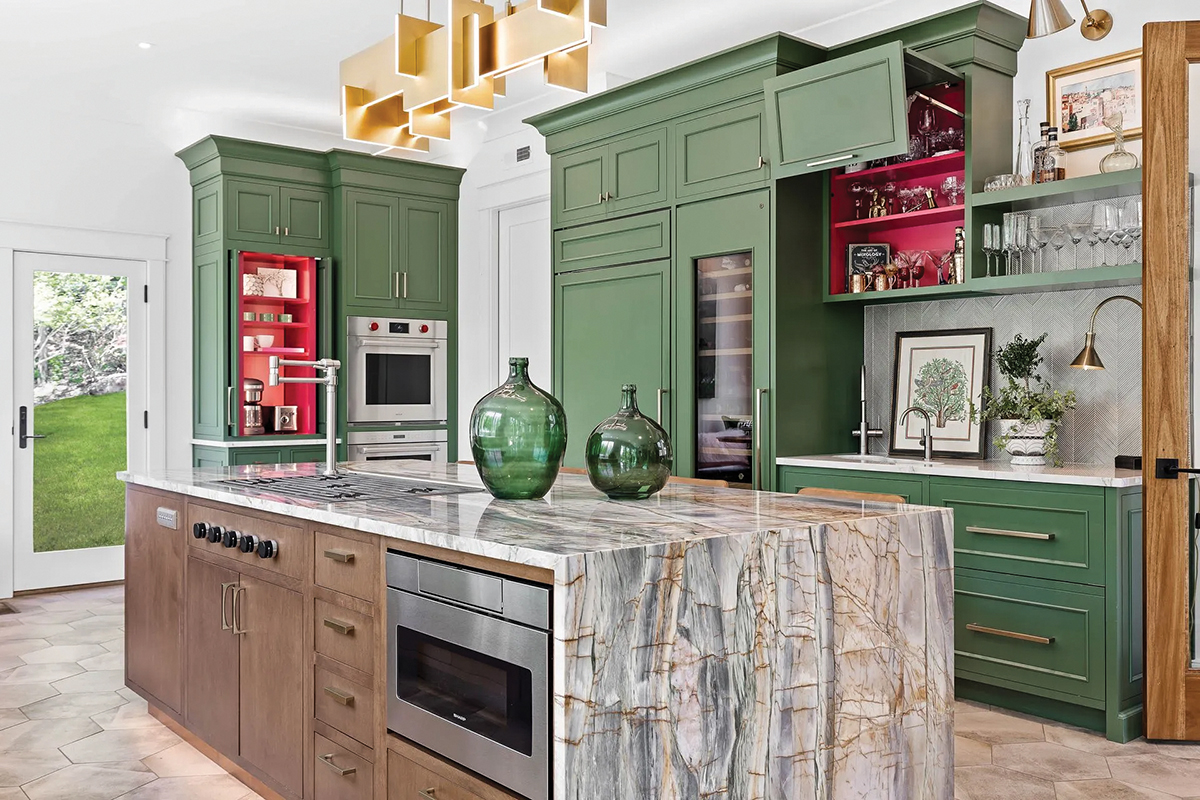
The right questions can help turn kitchen inspiration into a remodel that works for your life and budget.
In the Classic Cabinetry showroom on Broad Street, a half dozen floor-to-ceiling vignettes illustrate a range of cabinets, sinks and fixtures that define a contemporary kitchen. Beyond the trending colors and clever storage nooks to explore, the showroom’s set dressing serves a more basic function: giving customers a 3D peek at what their future kitchen could look like.
“Sometimes they don’t know everything that could go into a kitchen,” said designer Abby Crosslin.
TV commercials may introduce the latest technology in dishwashers and refrigerators, but advances in cabinetry typically don’t create marketing buzz. Homeowners looking to revamp a kitchen stuck in a long-ago design era may be surprised by the hideaway options now available for silverware, spices and small appliances.
And that’s just the beginning of what a professional kitchen designer can help a homeowner visualize.
“People come in with Pinterest ideas,” Crosslin said, but they may not know how to get from concept to reality. That’s where she and her colleagues come in.
The process involves much more than choosing a shaker-style door in a walnut finish. Experts know how to customize cabinetry for function and aesthetics, guiding a homeowner through decisions on manufacturer, wood species, construction options, door style, stains, paints, finishes, hardware, inserts and accessories. All of these decisions will affect the budget.
Most clients come in knowing their spending limit, but maybe not how all the initial decisions affect the final cost. Designer Juliet Braly suggests homeowners give considerable thought to the wants and needs that matter to the family.
“Know your must-haves and can’t-live-withouts,” she said.
What else comes up in a kitchen remodel? These are some of the broad topics you can expect to speak to the designers about.
TRENDS
Colors of the year and products promoted by social-media influencers are marketing strategies meant to motivate consumerism. There’s nothing necessarily wrong with following trends, but homeowners should think about the colors and features that will make them happy in the long run. Kitchen revamps are investments that last for years.
“Just because something is trending doesn’t mean you have to follow it,” Braly said.
The recent popularity of all-white kitchens and gray floors, for example, seems to be waning.
“I see us going to more warm colors,” Braly said. “Maybe you still have a white kitchen, but maybe now with more wood.”
“And darker stains,” added Crosslin.
INSPIRATION CAUTIONS
Just like wedding photographers tone photos of a bride to her best advantage, the content in a magazine or website benefits from professional lighting and staging that may be hard to replicate, the designers said.
The same goes for designs created by artificial intelligence. AI may generate images of kitchen perfection that don’t actually exist.
Also be wary of how lighting and photography can play tricks with paint colors. The “warm and buttery” shade on the walls in a sample photo may show up as lime in your kitchen, Braly said.
DESIGNER FAVES
Braly said the Classic Cabinetry designers have a few favorite features they recommend for function and aesthetics. Among them:
– Cabinet depth refrigerators, which give a built-in look without blowing the budget.
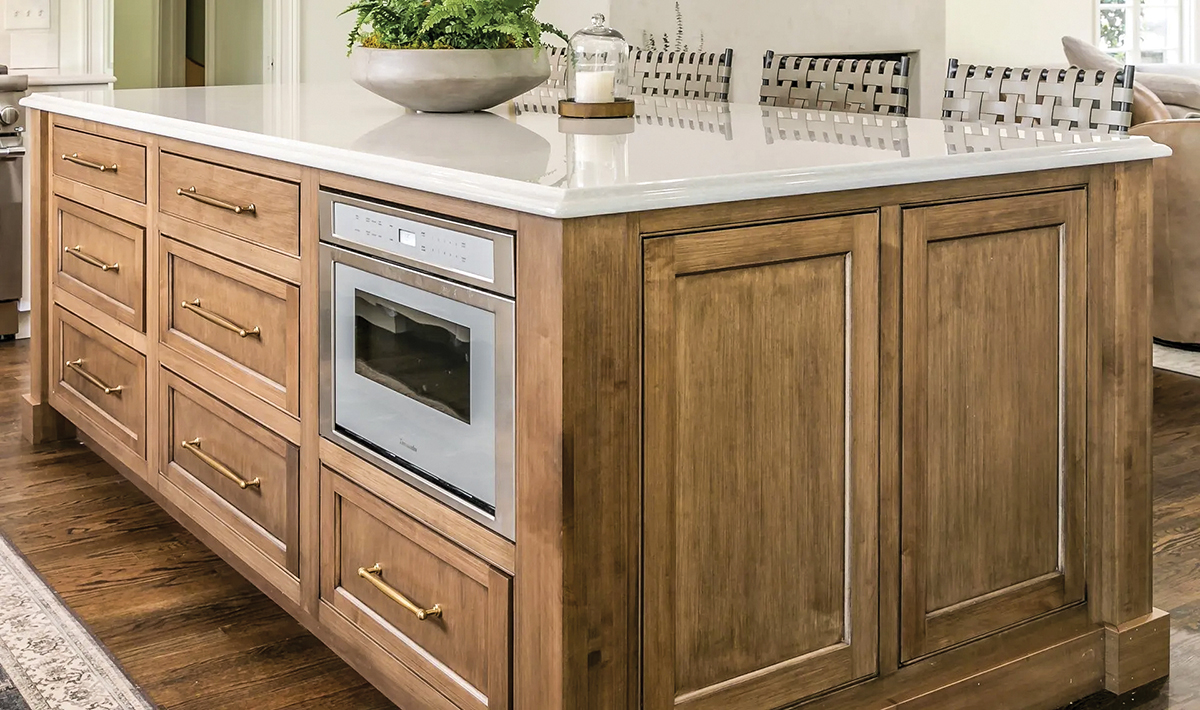
– Microwave drawers, which conceal the appliance at waist level, freeing up countertop and upper cabinet space.
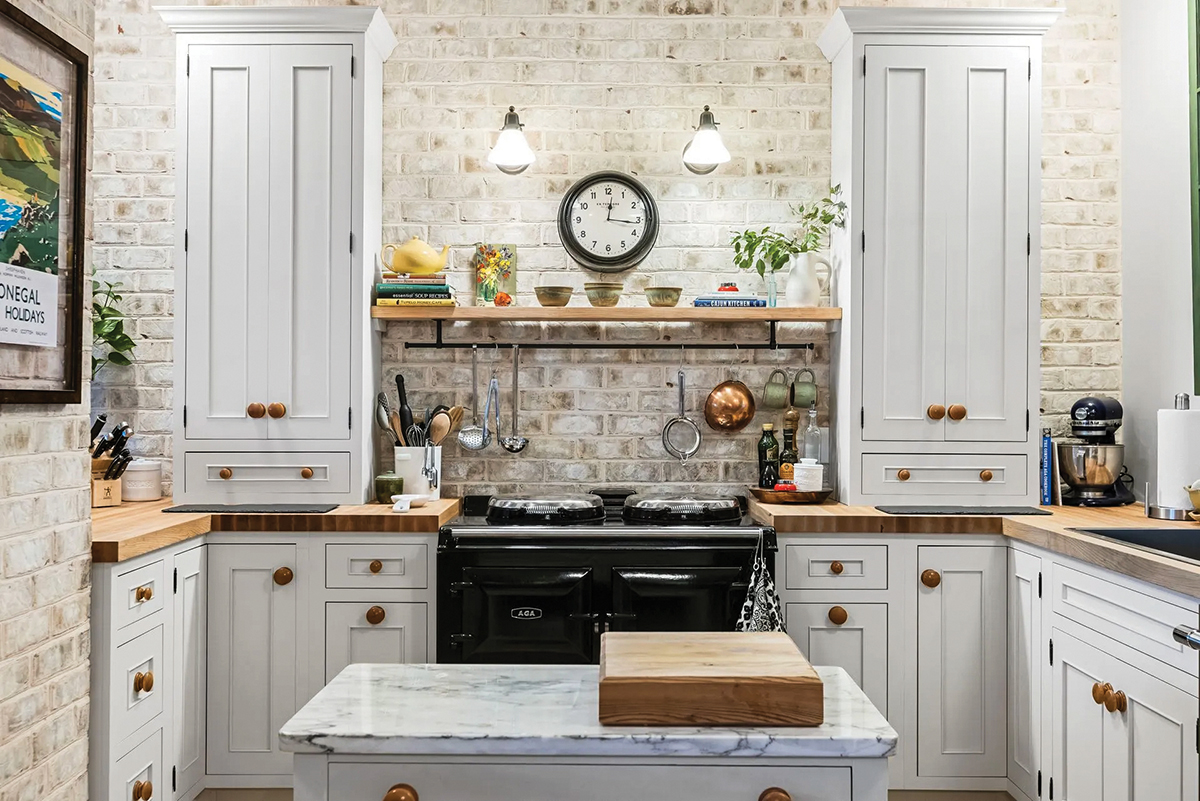
– Freestanding ranges with built-in custom hoods, which offer a professional look, fit easily into a design and, because they come in standard sizes, are easy to replace when needed.
TIMETABLES
Projects requiring multiple trades are the most complicated to finish. Often the cabinet installers have to wait until the foundational work by plumbers, carpenters and electricians is finished before they can begin.
“The time frame we generally see (four to six weeks for a simple kitchen reno) can really stretch out (three to four months),” Braly said. “Of course this depends on the extent of work they are doing to the space (full gut with rearranging mechanical systems versus just paint and new cabinets and tops).”
BEST ADVICE
“Construction projects always take more time than you think, are messier than you expect and are more expensive than you planned,” Braly said. She advised to “plan well, expect hiccups and move out temporarily if possible.”