
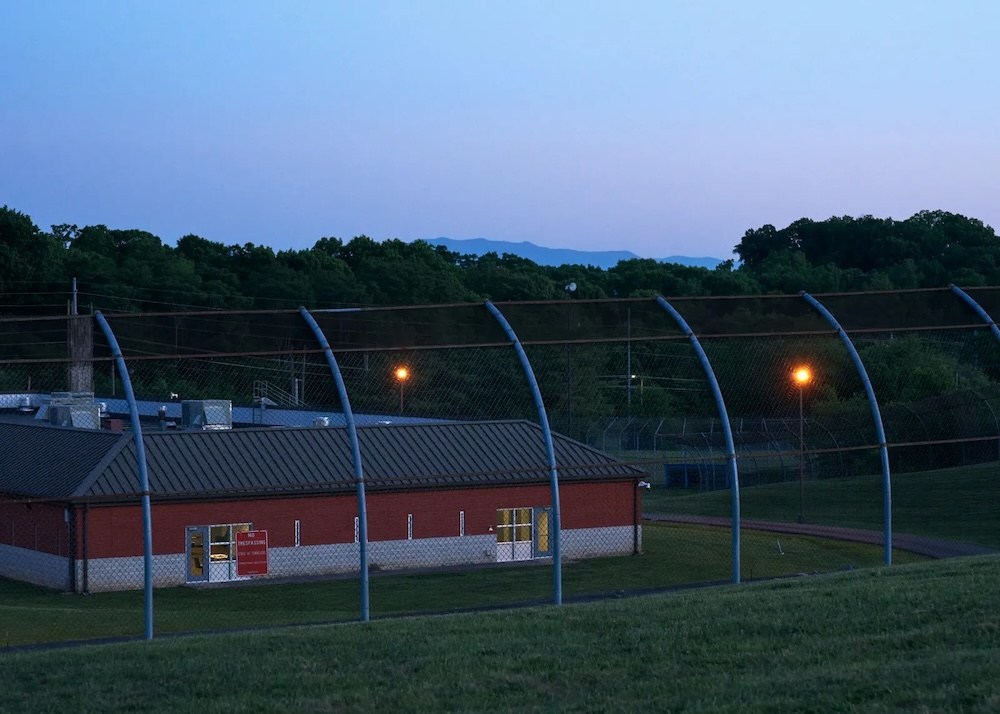
Across the country, states have been shuttering their youth prisons as juvenile crime has plummeted and research shows the facilities are not effective at keeping youth out of trouble after release. From 2000 to 2022, the number of the highest-security facilities for kids has dropped by more than 40%, the most recent federal data shows.
In contrast, Tennessee’s Department of Children’s Services has budgeted $360 million to build two new facilities with a total of up to 256 new beds for youth. Construction is set to begin this fall, and they are expected to open in 2028 and 2029.
According to Tennessee officials, the state doesn’t have enough space for kids who courts have found committed crimes. In the last few years, it has held dozens of teens overnight in temporary places, including, at one point, office buildings. In an emailed response to WPLN and ProPublica, the agency attributed the lack of bed space to a number of factors, including teens’ needs for specific mental health services and temporary staffing issues in its facilities. And it said that national trends “do not determine” whether Tennessee has enough youth beds available.
But juvenile crime is down in Tennessee, too, and advocates and experts say the state’s push for more prisons does not line up with the needs of the kids in its care.
“The argument that’s made is that [juvenile crime is] worse than ever, right? Or the kids are out of control,” said Josh Rovner with the nonprofit research and advocacy group The Sentencing Project, which seeks to reduce incarceration across the country. “The data doesn’t back that up.”