
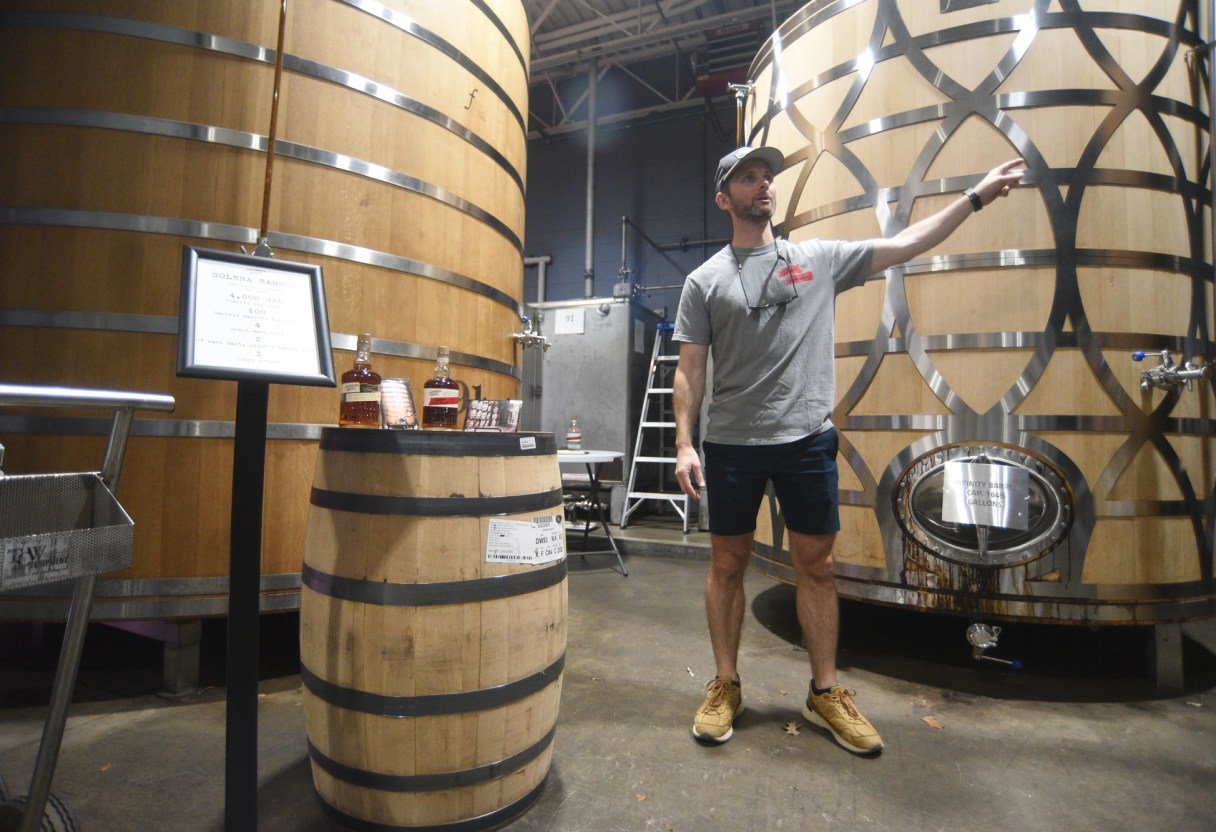

Chattanoogans can get a two-hour peek behind the curtain at how their local whiskey distillery has earned national and international acclaim for bourbons with a complex, toasty flavor.
Chattanooga Whiskey began offering the “full proof experience” at its Riverfront Parkway distillery in August. The distilling team takes visitors through the entire process, ending with a chance to taste the brand’s flagship bourbon straight from the 4,000-gallon charred oak barrel where it’s finished.
Fans of Chattanooga Whiskey have several ways to describe the brand’s tasting notes, from dark chocolate to toasted marshmallow to s’mores and sweet tea. Whisky Magazine honored Chattanooga Whiskey as the Craft Producer of the Year in 2026. The distillery won the same U.S. honor and the global title of best craft producer in 2023.
The brand gets the same question often, said cofounder and CEO Tim Piersant: How does it achieve depth of flavor in a relatively short aging process? The company’s flagship bourbon, Chattanooga Whiskey 91, is aged over two years with current barrels at around 3 years old.
The answer begins with a special recipe that reflects the company’s trademarked style, called Tennessee High Malt. The recipe features a higher percentage of malted grains, or grains that have been sprouted and roasted, which add flavor from the beginning. Whiskey 91 begins with 75% raw corn from Catesa Farms, a family-owned Tennessee farm, and 25% malted rye and barley.
(READ MORE: Totality Brewing to elevate Chattanooga beer scene in historic building)
The recipe meets the standards for bourbon while borrowing flavors more often found in beer brewing, said Grant McCracken, founding distiller and chief product officer at Chattanooga Whiskey.
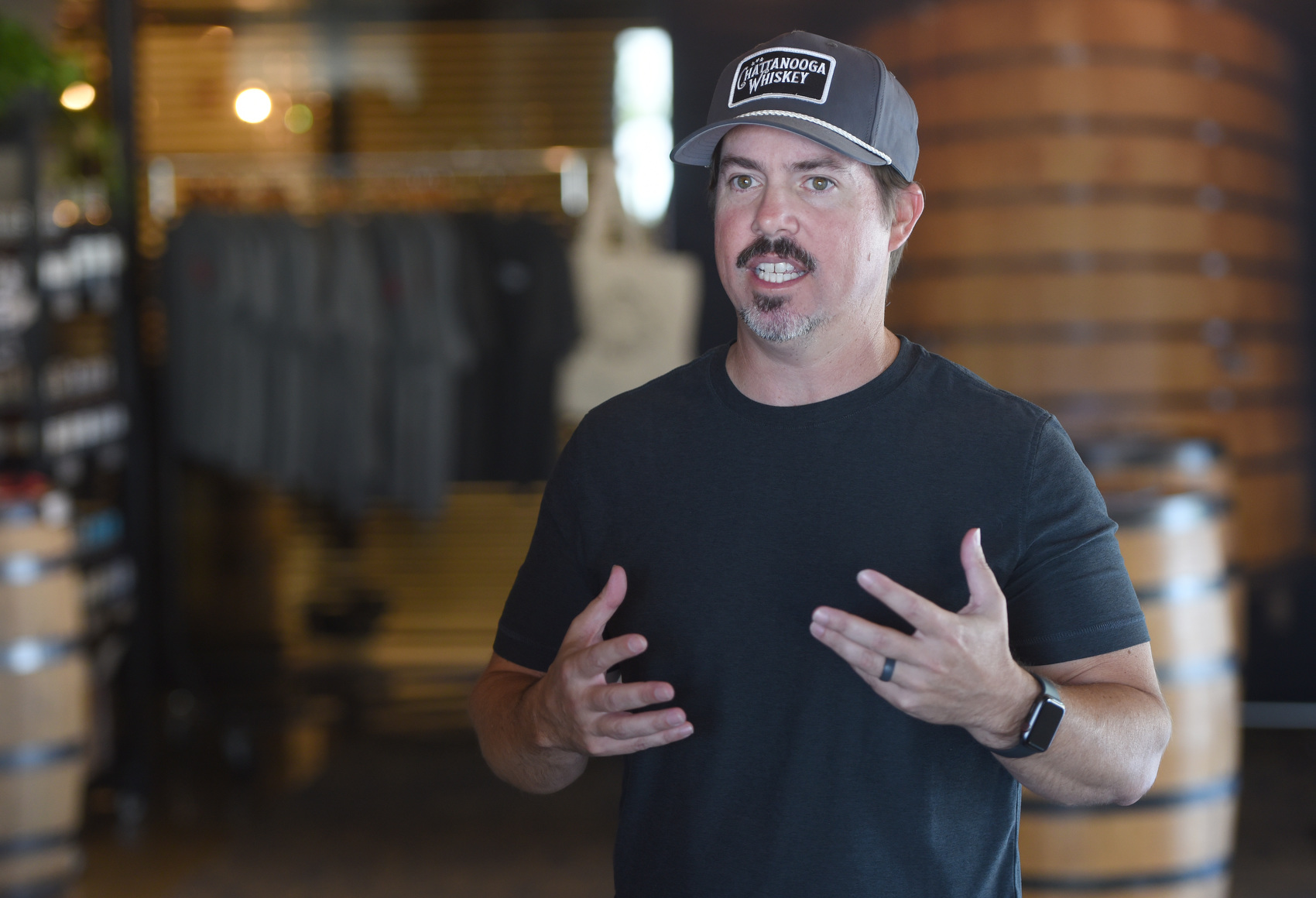
“It used to be that great whiskey just had to be a great whiskey, and now in this day and age, you kind of have to explain why it’s a great whiskey. There has to be a story associated,” McCracken said in an interview. “I think that’s what we’re trying to do with the Full Proof Experience.”
Chattanooga Whiskey ‘full proof’ tour opens tap on 4K-gallon barrel
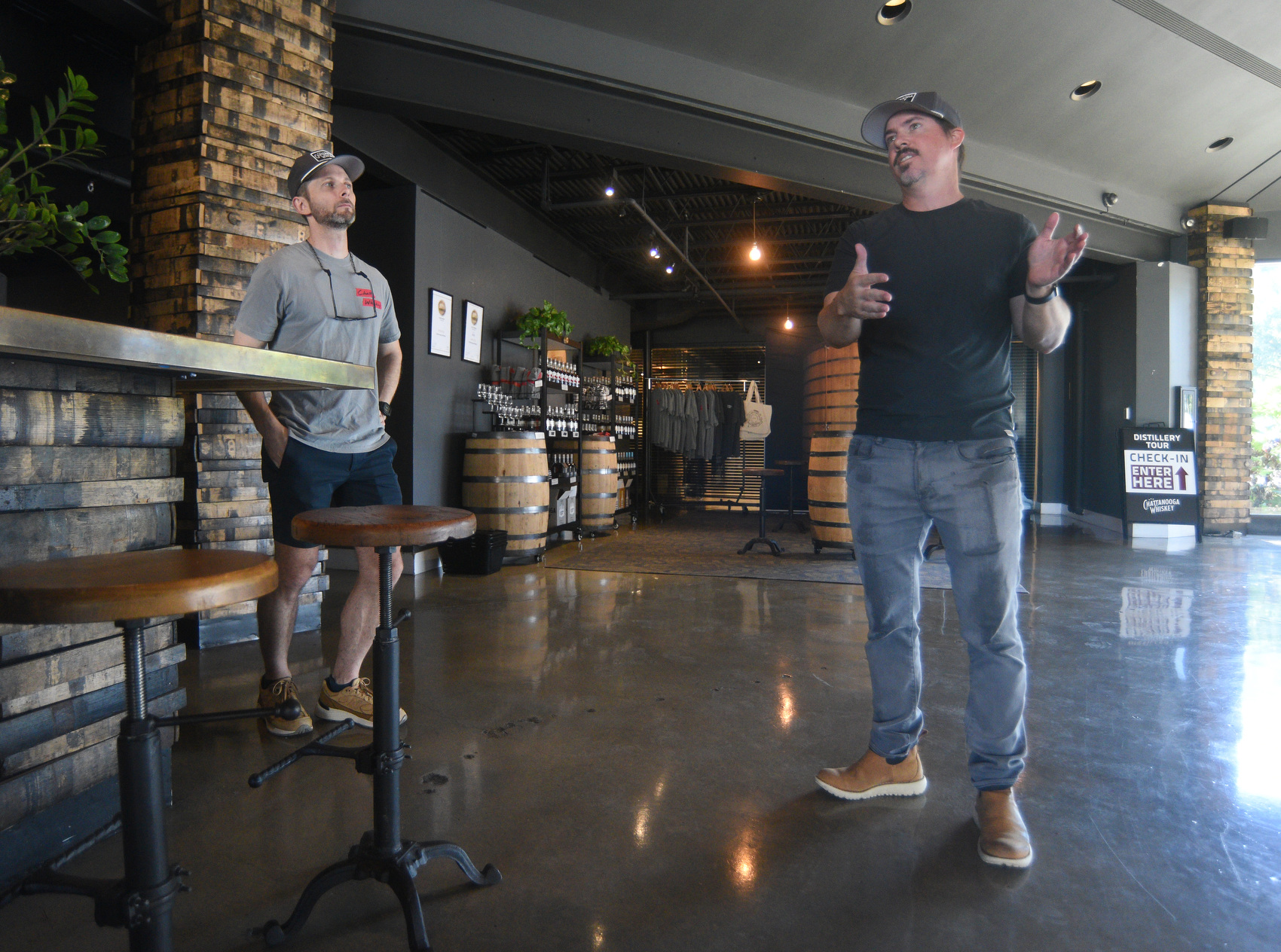
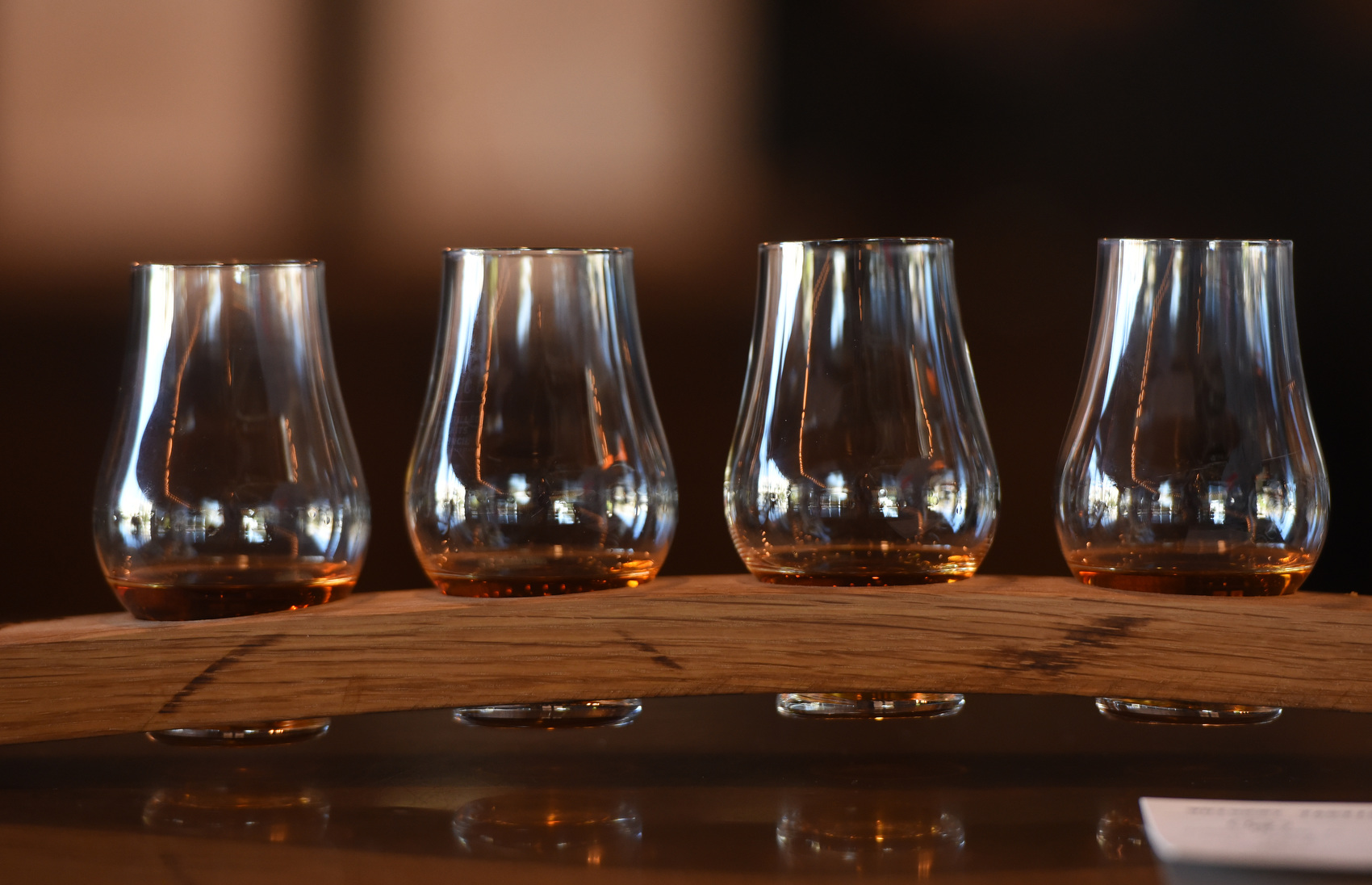
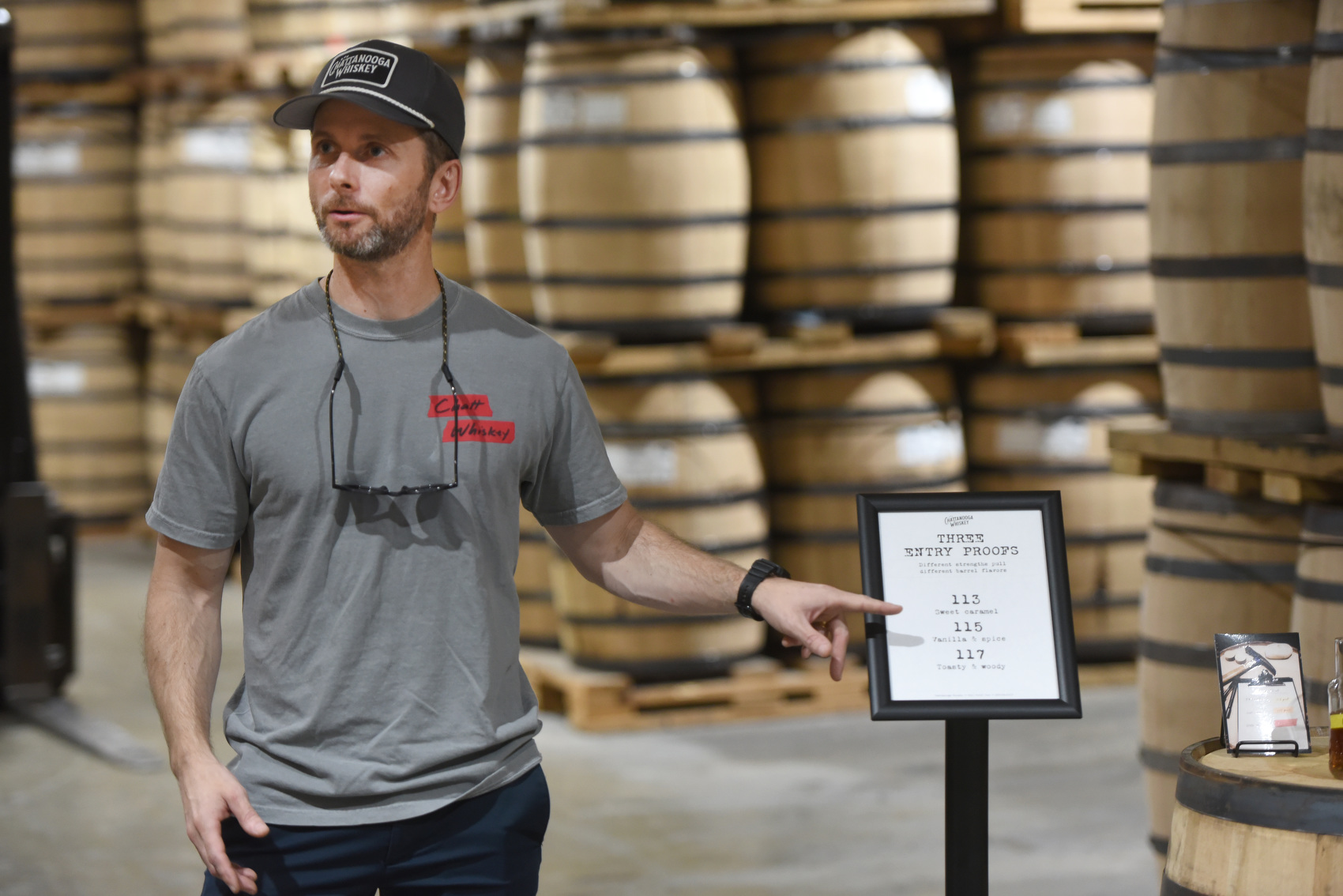
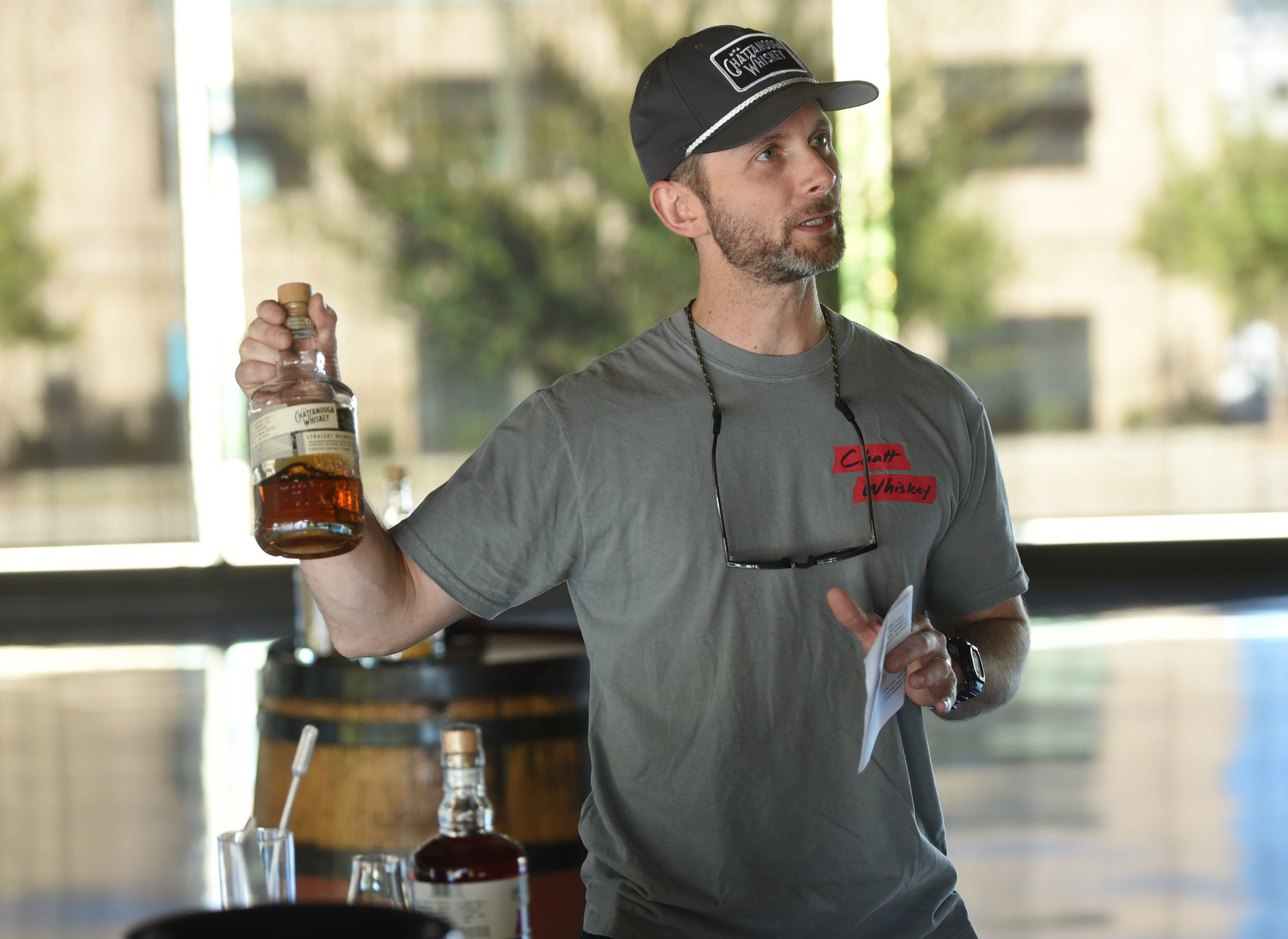
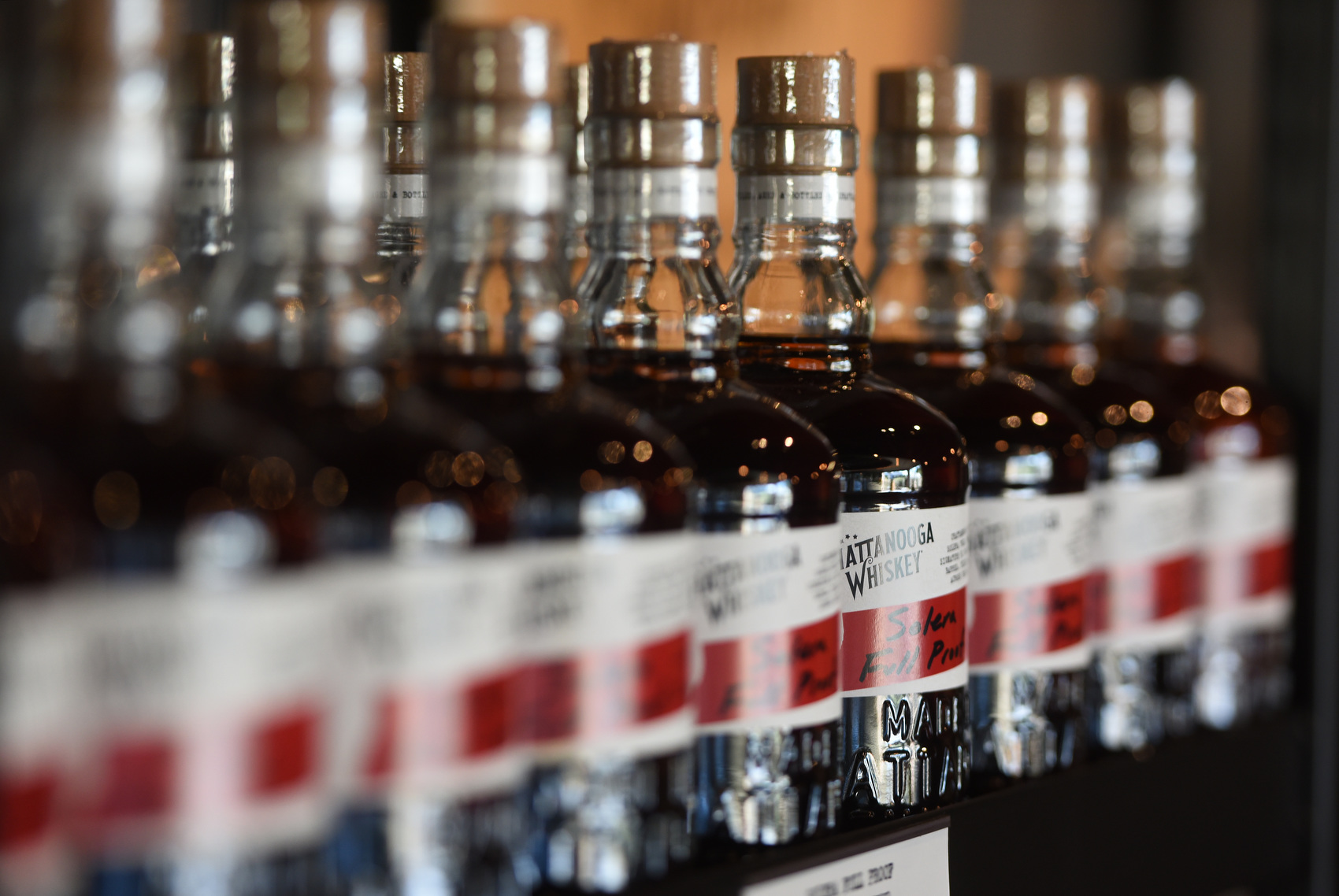
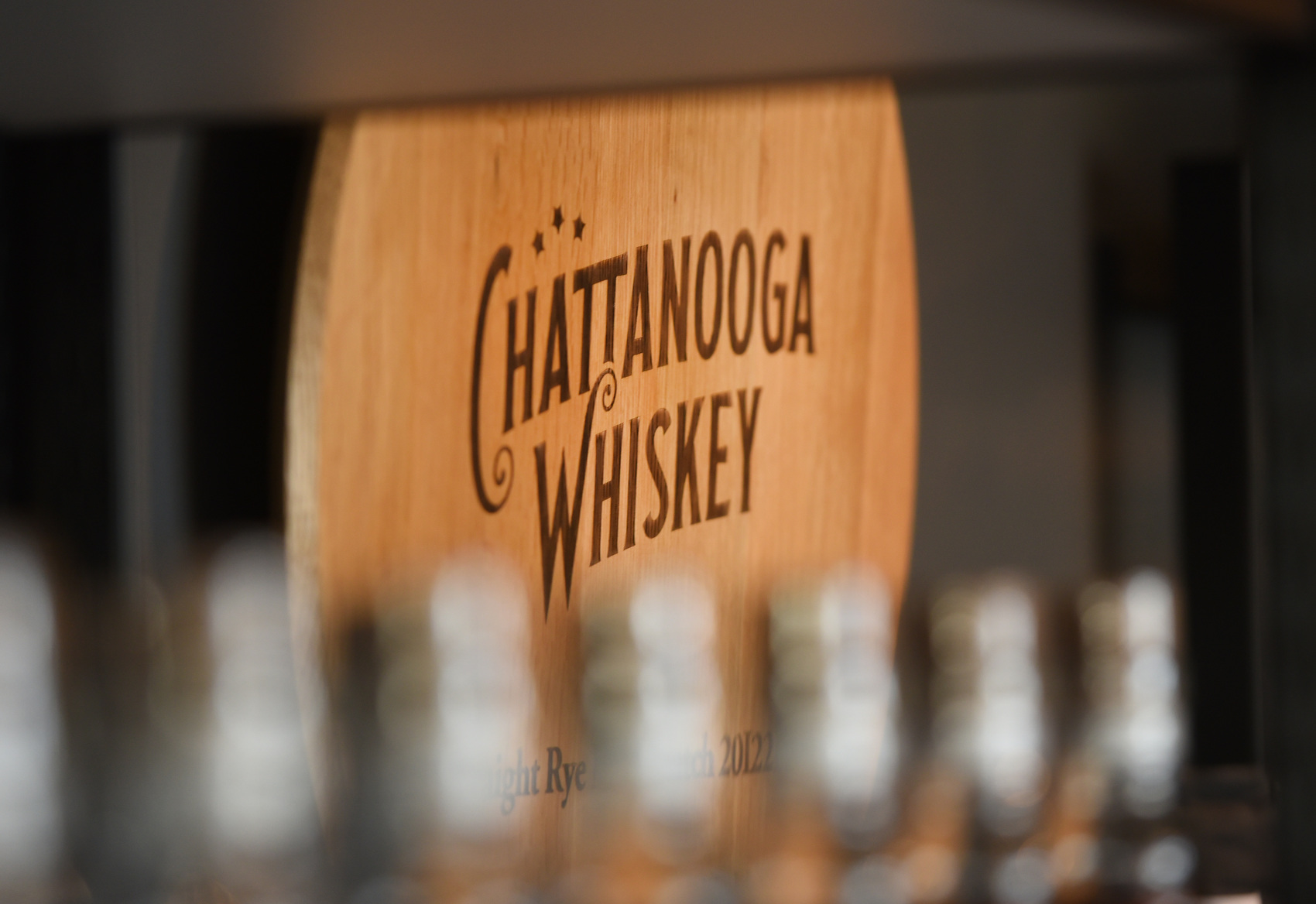
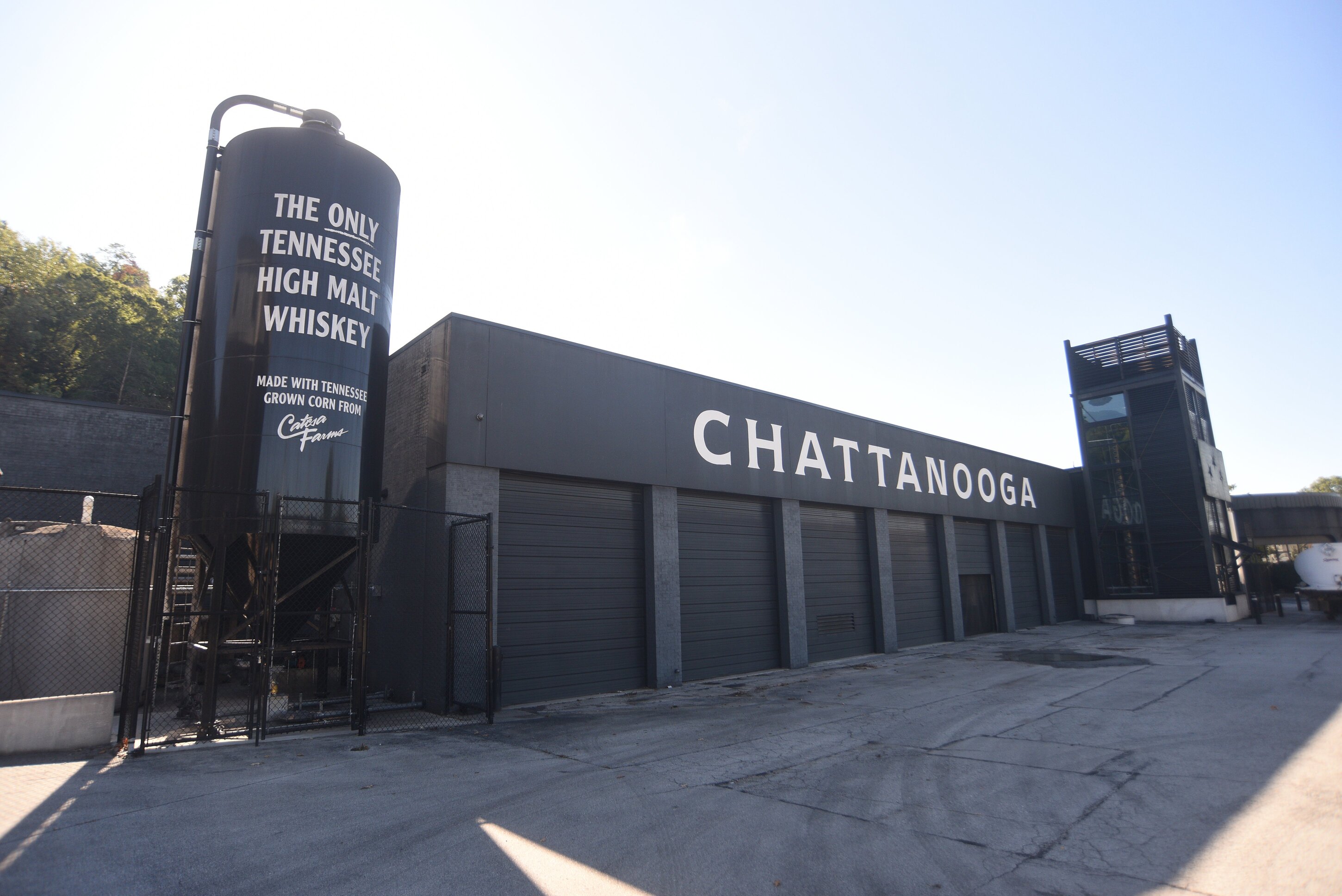
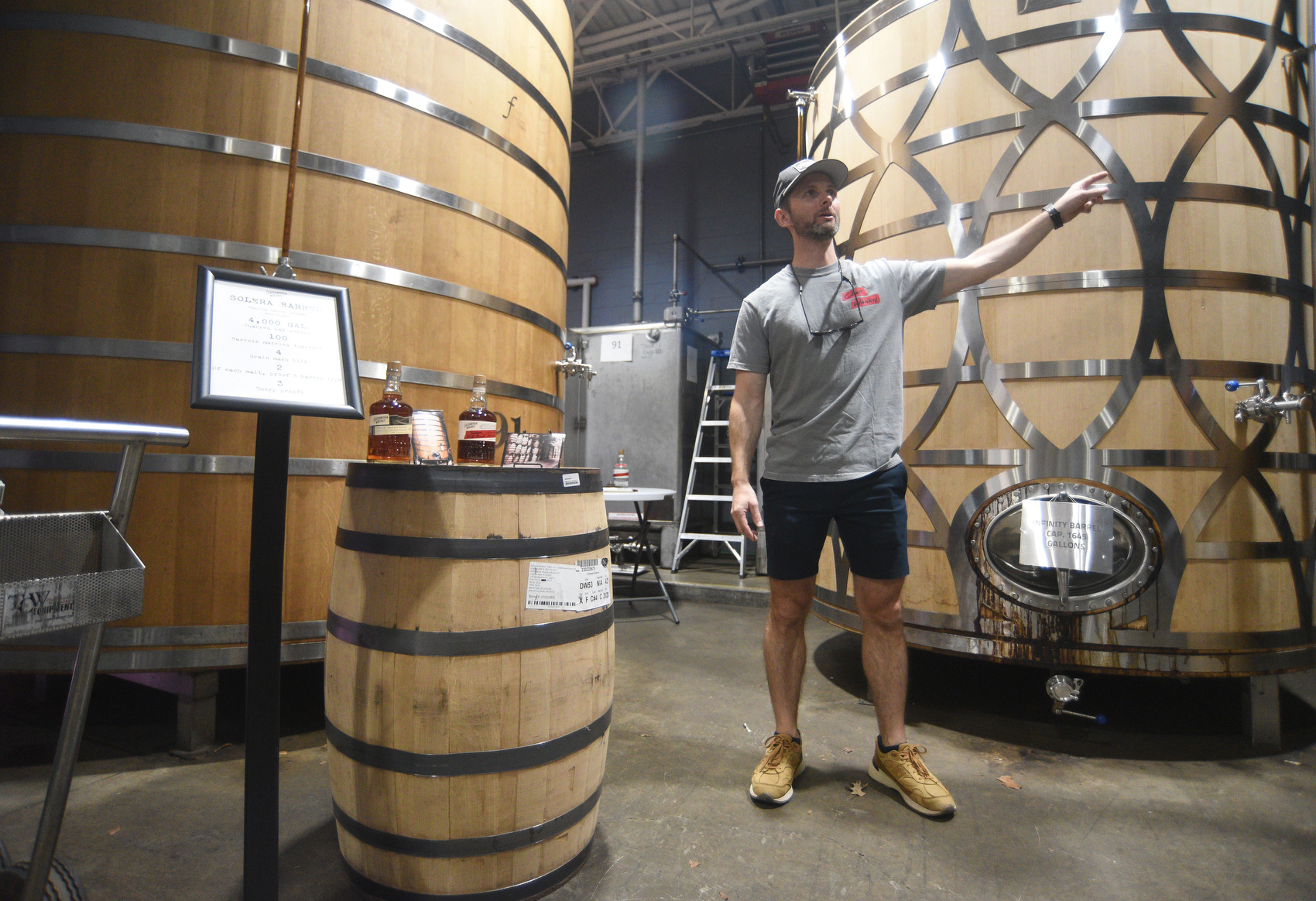
The tasting tour costs $40 per person. The experience is built around a new product called Solera Full Proof that is available only through the tour, McCracken said.
The bourbon directly from the barrel is called “full proof” because it’s an unfiltered version of the flagship bourbon at 116 proof, or 58% alcohol. Visitors can purchase a bottle of the whiskey on the tour.
The full proof bourbon is the fuller-bodied sibling of Whiskey 91, showing off the complexity created by all the tweaks Chattanooga Whiskey has made in the process, McCracken said.
“This idea of chasing perfection is what we’ve been running after since we opened this distillery,” McCracken said. “We can always make it a little bit better. We can always tweak something about it.”
The special process includes a longer fermentation than traditional whiskeys and a special barrel char. Chattanooga Whiskey buys some barrels with a “toasted” char. The barrel toasting process is akin to holding a marshmallow over a fire for longer to achieve a perfectly golden roast.
PUSHING BOUNDARIES
Piersant and cofounder Joe Ledbetter created Chattanooga Whiskey in 2011, when distilling remained illegal in Hamilton County under a prohibition-era law.
The company gained a following as it advocated for distilling to become legalized in the county, a victory it achieved when former Gov. Bill Haslam signed the so-called “whiskey bill” in 2013.
Chattanooga Whiskey began distilling at its Experimental Distillery on Market Street in 2015 and debuted Whiskey 91 in 2019. The name is based on the number of experimental barrels it took to achieve the recipe. The company adjusted the proof accordingly.
For a decade, Chattanooga Whiskey’s revenue grew by double digits each year, Piersant said. Between 2020 and 2022, it grew by triple digits each year, as fans followed its story and then fell in love with its products. The market is tougher now, Piersant said.
“It becomes more about cementing your identity, cementing your legacy, and a combination of holding on to market share and eventually trying to take market share,” he said in an interview. “That’s the world that we’re living in now.”
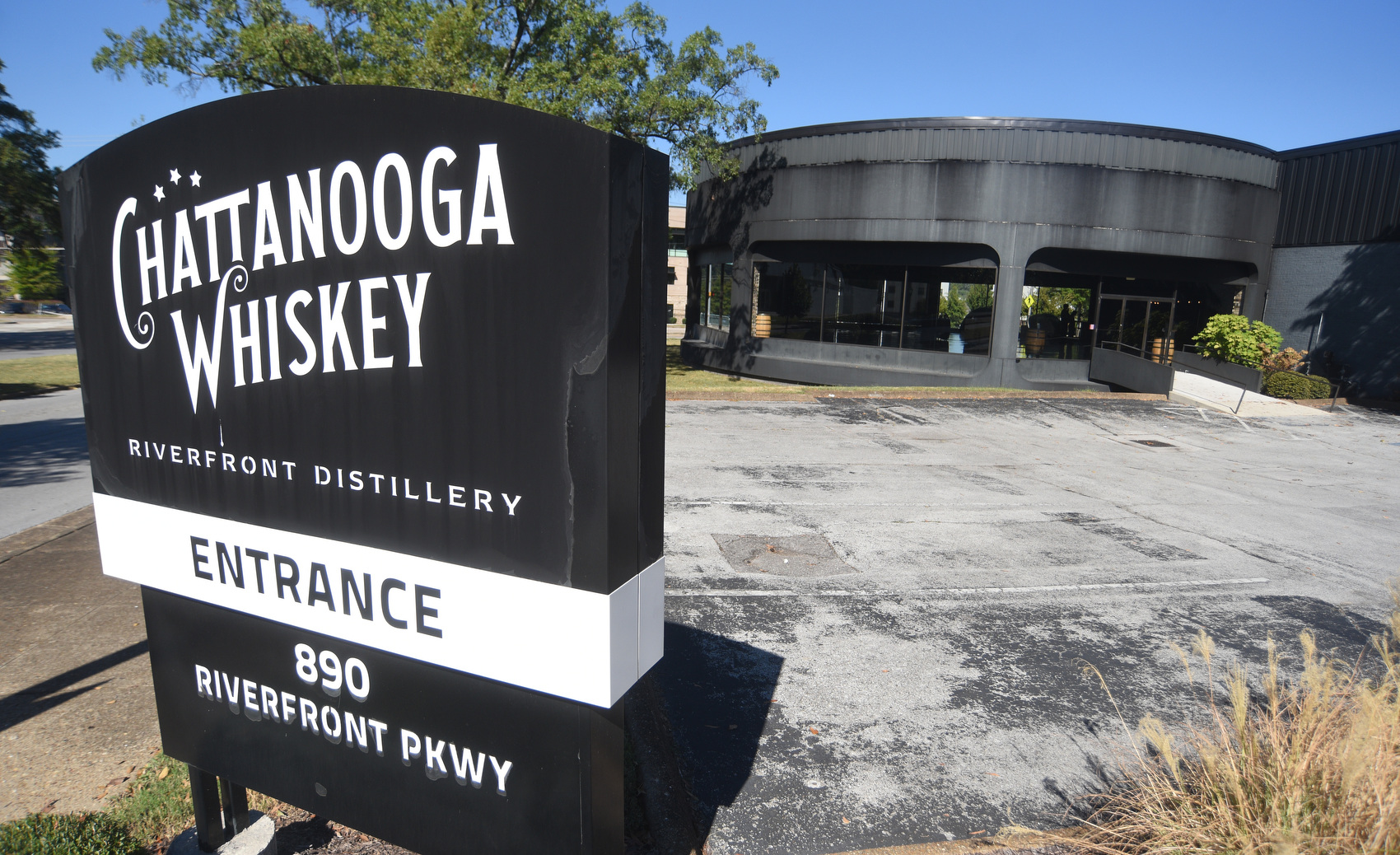
The company has typically finished 50 barrels a year at its Experimental Distillery and more than 2,000 barrels a year at the Riverfront Distillery. Chattanooga Whiskey moved its full-scale distillation and bottling operation into the former Chevrolet dealership in 2017. It employs around 35 people.
In addition to Whiskey 91, the company sells Cask 111, 99 Rye and seasonal Bottled in Bond whiskeys, along with a range of experimental, limited-run whiskeys.
The latest, called “Bad Chattanoogan,” is filtered through maple charcoal in the traditional Tennessee Whiskey style and finished on playable maplewood records for a musical nod. Innovation is in the company’s DNA, McCracken said.
“We went to all this trouble to change century-old laws,” he said. “Should we just make a traditional bourbon, or should we try to see how far we can push this within reason to make a product that’s worth drinking every day, and but still pushes the boundaries?”
Contact business reporter Daniel Dassow at ddassow@timesfreepress.com or 423-757-6318.