
Earlier this year, National Public Radio reported that “stricter work rules in the One Big Beautiful Bill Act — a budget law passed last year — have removed over 1 million children from Supplemental Nutrition Assistance Program food benefits since July 2025. Further, “the damage is now hitting school lunch programs directly.”
(Tennessee U.S. Sens. Marsha Blackburn and Bill Hagerty, both Republicans, voted for the One Big Beautiful Bill Act, as did their fellow Tennessee U.S. House members save Democrat U.S. Rep. Steve Cohen.)
NPR explained that when fewer families are enrolled in SNAP, the federal government sends less reimbursement money to schools for meals. If that happens, those schools may have to respond by shifting money away from classrooms or end the no-cost meal programs.
Both options are anathema for schools.
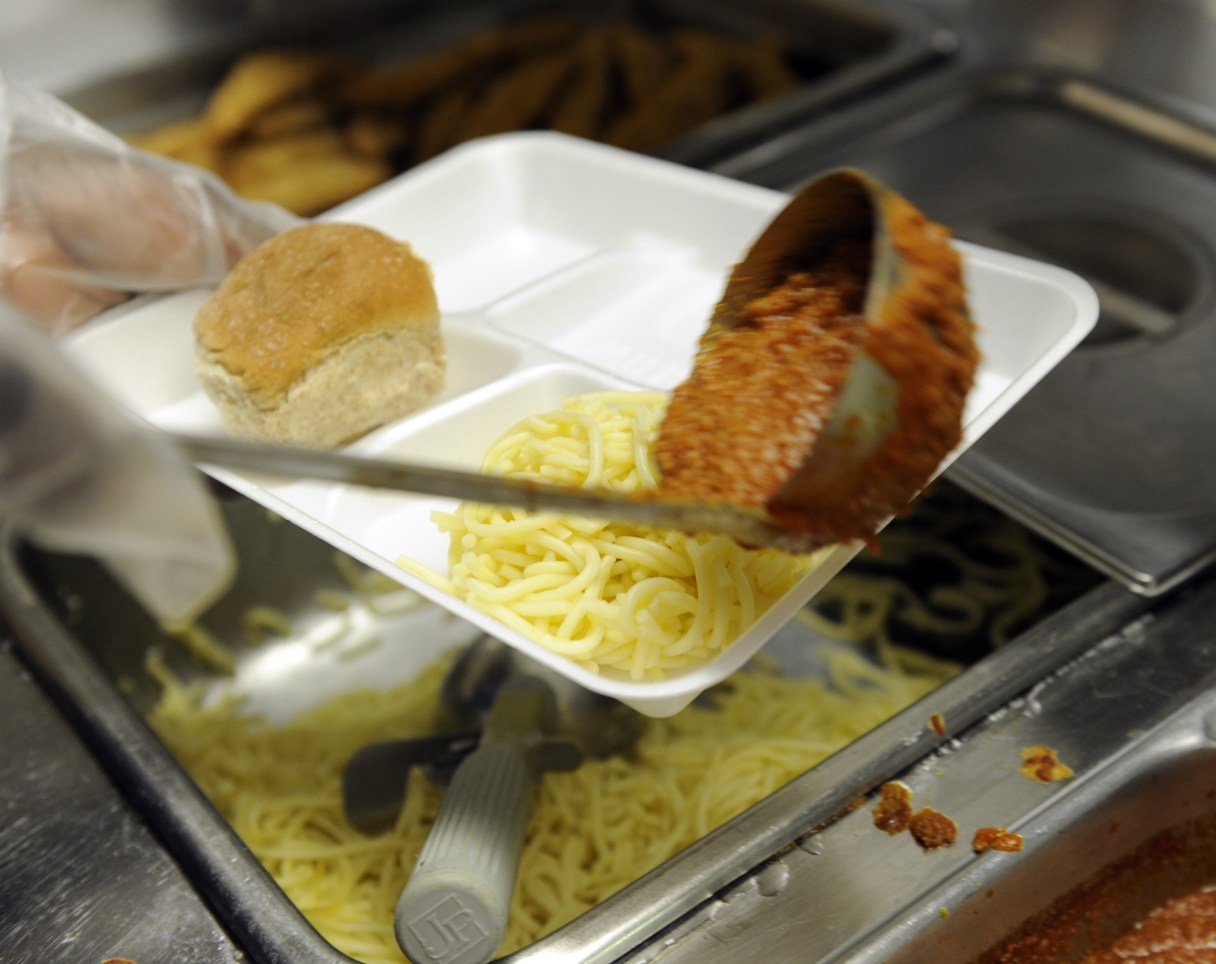
As you might expect, school meals are a big expense for Hamilton County Schools. Information provided by Kristen Nauss, director for nutrition, said annual school nutrition revenue in the 2025-26 school year is more than $30 million.
There are more than 45,000 students in our schools, including 24,842 who are enrolled in 47 Community Eligibility Provision schools for no-cost meals. Nauss noted that fewer students who receive SNAP assistance means schools are at risk of losing their Community Eligibility Provision status. The school system had reapplied earlier to secure another four years of that status for the students.
Members of Congress who voted for a bill that had damning results for hundreds of children effectively ignored the consequences for nearly 1 in 5 children in America who lack consistent adequate food, according to the School Nutrition Association. In a recent report, it observed that “every Monday morning, school nutrition professionals witness the hunger on the faces of students waiting for a school breakfast after a weekend without enough to eat.”
When schools shut down for the summer, that can result in no free and reduced price school meals during the year. However, the county school’s nutrition program works with communities to provide summer meals and for children in neighborhoods, aided by businesses and nonprofits.
There are disturbing factors in child hunger that transcend getting a meal or two at school. A study by Feeding America found that hunger keeps kids from reaching their full potential. There were other findings:
According to the U.S. Department of Agriculture, nearly 1 in every 5 children — nearly 14 million — is unsure where they will get their next meal. That is especially true when the children are part of a family where income consistently falls short. It’s worse now due to inflation, especially the higher cost of food.
Another study notes that 45 million children are suffering from severe hunger that hurts their cognitive development and thus eventual academic performance.
Hunger can adversely affect children’s health and their physical development.
Children who don’t get enough food face higher risk of other health conditions.
Hunger can change how a child’s brain and body grow and affect their thinking, learning and behavior. When toddlers are 1 to 3 years old, their brain is growing rapidly. And finally, pediatricians emphasize that malnutrition — that is, not getting an enough food — reduces the nutrients that are vital to health and growth.
Feeding America has a history of working to ensure that federal spending and the tax code provide its network of food banks the recourse needed to help families facing hunger.
Those who understand the dilemma of hungry children in Hamilton County can embrace the privilege of donating to food providers whose rich history of helping ensure that more families have the food they need — not just for healthy growth but also for their children’s education.
Mike Loftin is a former editor of the Chattanooga Times editorial page.