
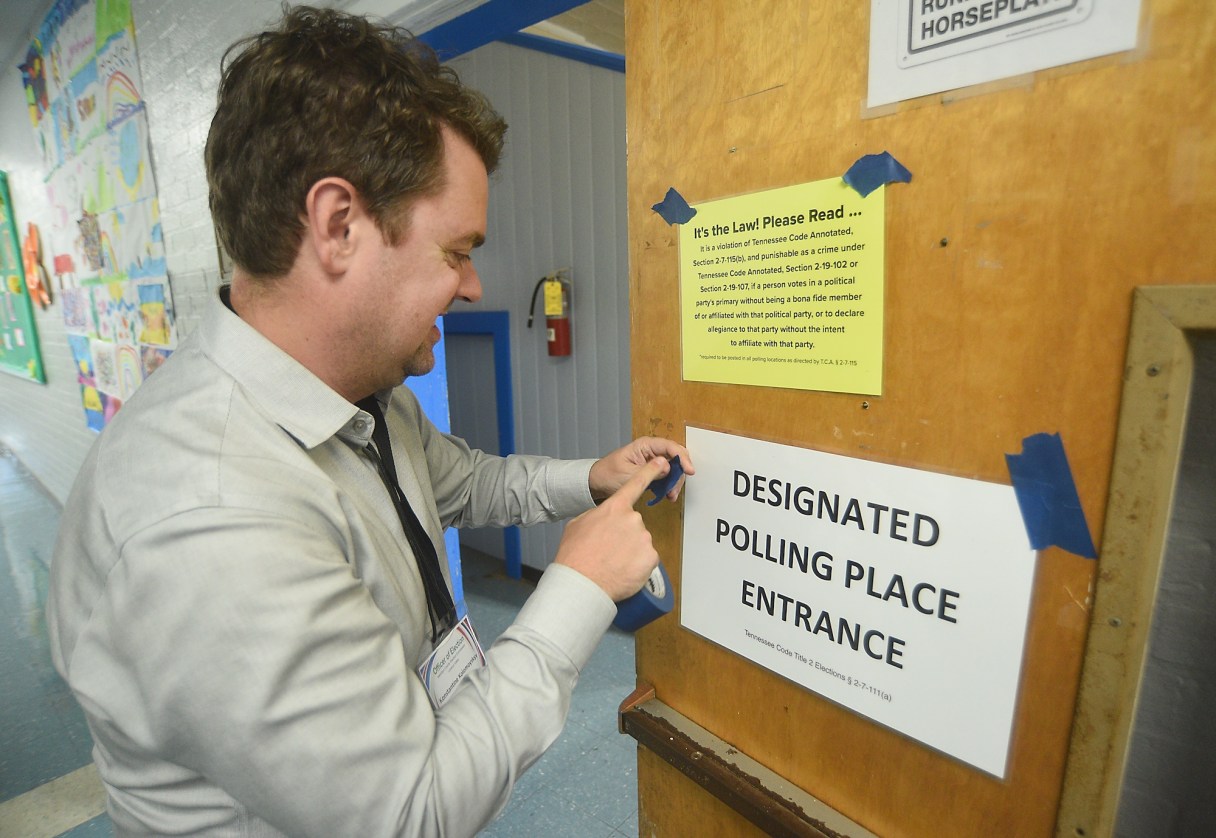
Here’s a civics trick question. Write down all the states that had a lower voter turnout than Tennessee in the last midterm election. If you did not write anything down, congratulations!
According to data from the nonpartisan United States Election Project, Tennessee’s 31% turnout of eligible voters was the lowest rate of voter participation in the nation, more than a full percentage point less than the next-lowest state, Mississippi.
As we approach our upcoming midterm election and hope for a higher turnout, it may be helpful for voters to consider evaluating political candidates on the basis of behavioral traits that social sciences have shown to be associated with sound judgment and good decision-making. These considerations stand apart from particular policy positions and may be overlooked during policy-focused debates.
My background as a retired psychologist may allow me to be a bit more attentive to the value of political leaders having dispositional attributes associated with good judgment. My investment as a concerned citizen makes me unquestionably fearful of harmful consequences that result when leaders lack them.
Nobel Prize-winning psychologist Daniel Kahneman and his collaborator, Amos Tversky oversaw extensive research on the nature of mental shortcuts, such as confirmation bias and reliance upon gut instinct, which make us prone to impulsive action. In his book “Thinking, Fast and Slow,” Kahneman noted that effective decision-making teams encourage reflective consideration of dissenting opinions before arriving at definitive conclusions and taking action. It seems unlikely the current administration’s recent decisions to initiate war with Iran and a tariff war with Canada benefitted from careful reflection upon dissenting opinions. Voters might therefore consider a candidate’s dispositional willingness to express and seek out dissenting opinions that differ from powerful party colleagues.